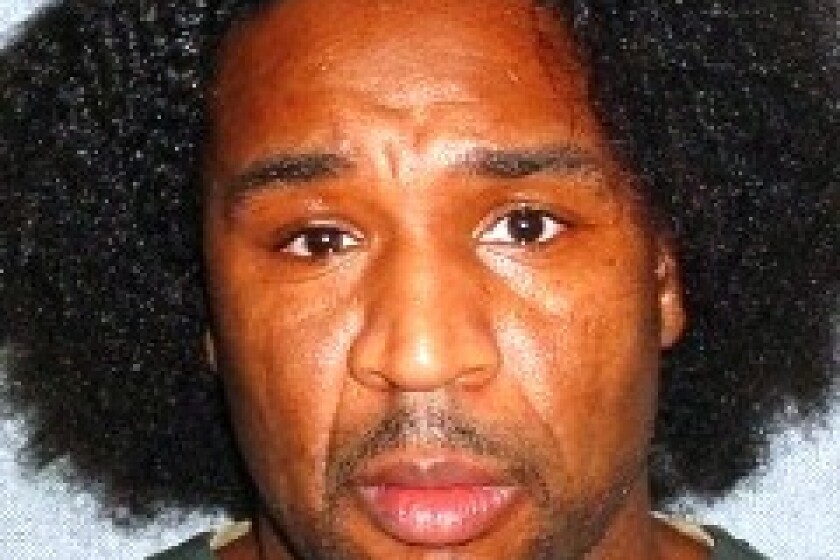
Alvin Taylor (Serial Killer)
Wisconsin Serial Killer Case
CLASSIFICATION: Serial Homicide
LOCATION
Wisconsin, United States
TIME PERIOD
1985-1987
VICTIMS
4 confirmed
Alvin Taylor, an American serial killer, murdered four friends and acquaintances in Wisconsin between 1985 and 1987, with his first known victim being Robert L. Williams, whom he shot on July 15, 1985, in Spring Brook. Taylor, who exhibited severe mental health issues and was diagnosed with schizophrenia, was apprehended on April 3, 1987, after the remains of Williams were discovered two years post-murder. He was deemed incompetent to stand trial and has since been involuntarily committed to Mendota Mental Health Institution in Madison, Wisconsin, where he remains denied parole. Significant evidence includes the .357 Magnum used in the murder and the eventual discovery of Williams' remains, which were buried in Taylor's backyard.
Alvin Taylor is believed to have been influenced by his traumatic childhood and mental illness, specifically schizophrenia, which contributed to his violent behavior. Some speculate that his experiences of perceived threats and paranoia may have escalated into his violent actions against friends and acquaintances. There is also a theory that his musical aspirations and subsequent failures may have played a role in his psychological decline, leading to his eventual criminal activities.
Alvin Taylor: A Twisted Tale of Murder and Madness
In the mid-1980s, the state of Wisconsin became the eerie backdrop for a chilling series of murders that would later be attributed to Alvin Taylor, a man whose troubled past and fractured mind led him down a dark path. Between 1985 and 1987, Taylor murdered four individuals, all of whom were friends or acquaintances. Despite his heinous acts, the legal system deemed him incompetent to stand trial, resulting in his indefinite commitment to a psychiatric institution.
Early Shadows
Alvin Taylor's story begins in the bustling city of Milwaukee, Wisconsin, where he was born into a life marred by neglect and abuse. His parents, indifferent to his upbringing, either resorted to physical discipline or left him to wander the streets. Despite these hardships, Taylor found solace in songwriting, meditation, and psychotherapy. By the late 1960s, he aspired to carve out a career in music, performing as a solo artist for small bands across the Northeastern United States.
However, this dream was soon overshadowed by mental illness. In 1969, Taylor experienced a psychotic break, convinced that strangers in a bar and later on a bus were plotting to kill him. By the mid-1970s, his mental health had deteriorated to the point of hospitalization, where he was diagnosed with schizophrenia.
The late 1970s saw Taylor in and out of psychiatric clinics, punctuated by a four-year prison sentence in 1980 for delivering crack cocaine in Medford. In the early 1980s, he eked out a living as a nightclub singer in Wisconsin and Bloomington, Minnesota, while his mental state continued to decline. Friends described him as a religious fanatic, detached from reality, living in a fantasy world of his own making.
A String of Murders
The descent into violence began with Robert L. Williams, a 38-year-old employee at a computer company whom Taylor befriended in 1984. On July 15, 1985, Taylor's paranoia led him to believe that Williams had committed murder, prompting him to shoot Williams with a .357 Magnum. He buried the body in the backyard of his rented home in Spring Brook, covering it with quicklime. The grim discovery was not made until two years later when a subsequent tenant stumbled upon the remains.
On May 21, 1986, Taylor's next victim was his neighbor, James A. Severson, in Eau Claire. Taylor stabbed Severson in the neck, but when the blade broke, a violent struggle ensued. Ultimately, Taylor choked Severson unconscious before retrieving a butcher knife to finish the deadly deed.
In the fall of 1986, Taylor attended "Peace Child," a musical in Eau Claire aimed at fostering better relations between the United States and the Soviet Union. There, he met Timothy Hayden, a custodian at the University of Wisconsin–Stout. Hayden moved in with Taylor in Menomonie, a decision that would prove fatal. On March 28, 1987, Taylor shot Hayden after a bout of paranoia convinced him that Hayden intended harm. The investigation linked shell casings from this murder to those found at Williams' crime scene.
The final known victim, 33-year-old Daniel Lundgren, was killed on November 30, 1986. Taylor lived at the Paradise Inn Village Motel, where Lundgren was the manager. When Lundgren demanded Taylor leave, Taylor shot him three times. Initially thought to have died from a car accident, Lundgren's remains were later exhumed, revealing the true cause of death.
The Attempted Murder
Taylor also confessed to an attempted murder on December 23, 1986. At the same motel, he attacked Paul Zwick with a hammer and screwdriver. Zwick, who later enlisted in the Navy, corroborated Taylor's story but hadn't reported the crime because he left Wisconsin shortly afterward.
The Arrest and Trial
On April 3, 1987, Taylor was arrested during Hayden's funeral in Portage. Evidence quickly mounted against him, and he confessed to the murders, claiming he was a "soldier of God" on a mission to eradicate evil. Despite his confessions, Taylor's mental health was a significant concern. Diagnosed with paranoid schizophrenia, he was found incompetent to stand trial for the murders but received a 20-year sentence for attempted murder.
Interned at the Mendota Mental Health Institution in Madison, Taylor's lawyer, John Kucinski, noted the impossibility of communicating with his client due to his severe mental illness.
Current Status
Taylor's requests for release have been consistently denied, with the psychiatric facility's staff testifying to his instability and risk of escape. Despite a brief improvement noted in 2015, by March 2022, Taylor's health had deteriorated, forcing him to abandon his latest petition for release. Now 75, Alvin Taylor remains in the psychiatric facility, a testament to the tragic intersection of mental illness and crime.
Sources
For further reading and original sources, visit the Wikipedia page on Alvin Taylor.
No Recent News
No recent news articles found for this case. Check back later for updates.
No Evidence Submitted
No evidence found for this case. Be the first to submit evidence in the comments below.
Join the discussion
Loading comments...
First Murder Committed
Alvin Taylor shoots and kills Robert L. Williams.
Second Murder Committed
Taylor stabs neighbor James A. Severson to death.
Third Murder Committed
Taylor kills Daniel Lundgren and dumps his body.
Fourth Murder Committed
Taylor shoots Timothy Hayden in their apartment.
Arrest of Alvin Taylor
Taylor is arrested at Timothy Hayden's funeral.
Lundgren's Body Exhumed
Forensic examination reveals Lundgren was shot.
Sentenced to Mental Institution
Taylor is deemed incompetent and interned at Mendota.
First Release Petition Denied
Taylor's request for release from the institution is denied.
Second Release Petition Denied
Taylor's appeal for release is denied by the court.
Release Petition Withdrawn
Taylor withdraws his petition for release due to health.
Alvin Taylor, an American serial killer, murdered four friends and acquaintances in Wisconsin between 1985 and 1987, with his first known victim being Robert L. Williams, whom he shot on July 15, 1985, in Spring Brook. Taylor, who exhibited severe mental health issues and was diagnosed with schizophrenia, was apprehended on April 3, 1987, after the remains of Williams were discovered two years post-murder. He was deemed incompetent to stand trial and has since been involuntarily committed to Mendota Mental Health Institution in Madison, Wisconsin, where he remains denied parole. Significant evidence includes the .357 Magnum used in the murder and the eventual discovery of Williams' remains, which were buried in Taylor's backyard.
Alvin Taylor is believed to have been influenced by his traumatic childhood and mental illness, specifically schizophrenia, which contributed to his violent behavior. Some speculate that his experiences of perceived threats and paranoia may have escalated into his violent actions against friends and acquaintances. There is also a theory that his musical aspirations and subsequent failures may have played a role in his psychological decline, leading to his eventual criminal activities.
Alvin Taylor: A Twisted Tale of Murder and Madness
In the mid-1980s, the state of Wisconsin became the eerie backdrop for a chilling series of murders that would later be attributed to Alvin Taylor, a man whose troubled past and fractured mind led him down a dark path. Between 1985 and 1987, Taylor murdered four individuals, all of whom were friends or acquaintances. Despite his heinous acts, the legal system deemed him incompetent to stand trial, resulting in his indefinite commitment to a psychiatric institution.
Early Shadows
Alvin Taylor's story begins in the bustling city of Milwaukee, Wisconsin, where he was born into a life marred by neglect and abuse. His parents, indifferent to his upbringing, either resorted to physical discipline or left him to wander the streets. Despite these hardships, Taylor found solace in songwriting, meditation, and psychotherapy. By the late 1960s, he aspired to carve out a career in music, performing as a solo artist for small bands across the Northeastern United States.
However, this dream was soon overshadowed by mental illness. In 1969, Taylor experienced a psychotic break, convinced that strangers in a bar and later on a bus were plotting to kill him. By the mid-1970s, his mental health had deteriorated to the point of hospitalization, where he was diagnosed with schizophrenia.
The late 1970s saw Taylor in and out of psychiatric clinics, punctuated by a four-year prison sentence in 1980 for delivering crack cocaine in Medford. In the early 1980s, he eked out a living as a nightclub singer in Wisconsin and Bloomington, Minnesota, while his mental state continued to decline. Friends described him as a religious fanatic, detached from reality, living in a fantasy world of his own making.
A String of Murders
The descent into violence began with Robert L. Williams, a 38-year-old employee at a computer company whom Taylor befriended in 1984. On July 15, 1985, Taylor's paranoia led him to believe that Williams had committed murder, prompting him to shoot Williams with a .357 Magnum. He buried the body in the backyard of his rented home in Spring Brook, covering it with quicklime. The grim discovery was not made until two years later when a subsequent tenant stumbled upon the remains.
On May 21, 1986, Taylor's next victim was his neighbor, James A. Severson, in Eau Claire. Taylor stabbed Severson in the neck, but when the blade broke, a violent struggle ensued. Ultimately, Taylor choked Severson unconscious before retrieving a butcher knife to finish the deadly deed.
In the fall of 1986, Taylor attended "Peace Child," a musical in Eau Claire aimed at fostering better relations between the United States and the Soviet Union. There, he met Timothy Hayden, a custodian at the University of Wisconsin–Stout. Hayden moved in with Taylor in Menomonie, a decision that would prove fatal. On March 28, 1987, Taylor shot Hayden after a bout of paranoia convinced him that Hayden intended harm. The investigation linked shell casings from this murder to those found at Williams' crime scene.
The final known victim, 33-year-old Daniel Lundgren, was killed on November 30, 1986. Taylor lived at the Paradise Inn Village Motel, where Lundgren was the manager. When Lundgren demanded Taylor leave, Taylor shot him three times. Initially thought to have died from a car accident, Lundgren's remains were later exhumed, revealing the true cause of death.
The Attempted Murder
Taylor also confessed to an attempted murder on December 23, 1986. At the same motel, he attacked Paul Zwick with a hammer and screwdriver. Zwick, who later enlisted in the Navy, corroborated Taylor's story but hadn't reported the crime because he left Wisconsin shortly afterward.
The Arrest and Trial
On April 3, 1987, Taylor was arrested during Hayden's funeral in Portage. Evidence quickly mounted against him, and he confessed to the murders, claiming he was a "soldier of God" on a mission to eradicate evil. Despite his confessions, Taylor's mental health was a significant concern. Diagnosed with paranoid schizophrenia, he was found incompetent to stand trial for the murders but received a 20-year sentence for attempted murder.
Interned at the Mendota Mental Health Institution in Madison, Taylor's lawyer, John Kucinski, noted the impossibility of communicating with his client due to his severe mental illness.
Current Status
Taylor's requests for release have been consistently denied, with the psychiatric facility's staff testifying to his instability and risk of escape. Despite a brief improvement noted in 2015, by March 2022, Taylor's health had deteriorated, forcing him to abandon his latest petition for release. Now 75, Alvin Taylor remains in the psychiatric facility, a testament to the tragic intersection of mental illness and crime.
Sources
For further reading and original sources, visit the Wikipedia page on Alvin Taylor.
No Recent News
No recent news articles found for this case. Check back later for updates.
No Evidence Submitted
No evidence found for this case. Be the first to submit evidence in the comments below.
Join the discussion
Loading comments...
First Murder Committed
Alvin Taylor shoots and kills Robert L. Williams.
Second Murder Committed
Taylor stabs neighbor James A. Severson to death.
Third Murder Committed
Taylor kills Daniel Lundgren and dumps his body.
Fourth Murder Committed
Taylor shoots Timothy Hayden in their apartment.
Arrest of Alvin Taylor
Taylor is arrested at Timothy Hayden's funeral.
Lundgren's Body Exhumed
Forensic examination reveals Lundgren was shot.
Sentenced to Mental Institution
Taylor is deemed incompetent and interned at Mendota.
First Release Petition Denied
Taylor's request for release from the institution is denied.
Second Release Petition Denied
Taylor's appeal for release is denied by the court.
Release Petition Withdrawn
Taylor withdraws his petition for release due to health.