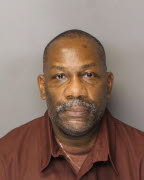
Anthony Joyner
Elderly Women Serial Killer
CLASSIFICATION: Serial Homicide
LOCATION
Philadelphia, Pennsylvania
TIME PERIOD
January – July 1983
VICTIMS
6 confirmed
Anthony Joyner, an American serial killer and rapist, is responsible for the deaths of at least six elderly women at a nursing home in Philadelphia, Pennsylvania, between January and July 1983. The victims, aged 83 to 92, included Margaret Eckard, Kathryn Maxwell, Elizabeth Monroe, Lily Amlie, Eugenia Borda, and Mildred Alston, whose deaths were initially attributed to natural causes due to negligence in autopsy procedures. Joyner was apprehended on August 1, 1983, and subsequently convicted of five counts of first-degree murder, one count of second-degree murder, and six counts of rape, leading to a life imprisonment sentence. Investigative findings revealed a pattern of assault and murder, with Joyner suspected in up to 18 additional deaths at the facility, highlighting systemic failures in the nursing home's oversight and response to suspicious deaths.
Anthony Joyner is believed to have targeted elderly women at the nursing home due to their vulnerability, with some speculating that his position as an assistant nutritionist allowed him access and insight into their routines. There are theories that he may have committed additional murders beyond the confirmed six, with suspicions surrounding a total of 18 deaths linked to him. Some community members also speculate that Joyner's struggles with personal relationships and his physical appearance may have contributed to his violent behavior.
The Sinister Tale of Anthony Joyner: A Grim Shadow Over Philadelphia
Early Life and Background
Anthony Joyner was born on May 26, 1962, in Philadelphia, Pennsylvania, and from the outset, his life seemed unremarkable. Throughout his adolescence, Joyner was considered portly and physically weak, traits that set him apart from his peers. Despite these challenges, he communicated well and was not ostracized. However, his lack of popularity with women led some to speculate about his sexuality, accusations he fervently denied.
Lacking higher education, Joyner turned to low-skilled labor to make ends meet. In October 1981, he secured a job as an assistant nutritionist at the Kearsley Home, Christ Church Hospital. This establishment, noted as the oldest of its kind in the nation, became the backdrop for a series of ghastly crimes. Despite his later infamy, Joyner was initially well-regarded by both staff and patients, known for his friendly and energetic demeanor.
A String of Murders
Joyner's descent into darkness began on January 12, 1983, with the death of 92-year-old Margaret Eckard. Blood traces around her nose, mouth, and genitals were noted, yet her death was ruled natural. A month later, 85-year-old Kathryn Maxwell was found dead under similar circumstances, followed shortly by 86-year-old Elizabeth Monroe. Like before, the signs of foul play were overlooked, and her demise was attributed to a heart attack.
The pattern persisted until June 1, when 89-year-old Lily Amlie was discovered lifeless. Despite previous signs, her known heart issues led to another dismissal of suspicion. Tragedy struck again on July 19, with the deaths of 90-year-old Eugenia Borda and 83-year-old Mildred Alston. This time, the examining doctor, alarmed by the injuries and blood traces, insisted on autopsies. These examinations revealed the grim truth: both women had been raped, with Borda strangled and Alston suffocated. This revelation spurred the police into action.
The Investigation and Arrest
The investigation quickly honed in on the nursing home staff. The facility's security measures made it unlikely that an outsider could have committed the crimes unnoticed. On the day of Borda and Alston's murders, Joyner had been seen in the facility's cellar. Further scrutiny revealed he accessed victims' rooms via the basement, committing his heinous acts before slipping away unnoticed.
On August 1, 1983, Joyner was apprehended. During interrogation, he confessed to the murders of Borda and Alston, claiming remorse and a desire for peace. His attorney, however, argued that Joyner was coerced into a confession and was mentally ill. As 18 suspicious deaths had occurred since Joyner's employment, the police expanded their investigation.
Exhumations and Further Confessions
Authorities exhumed the bodies of Eckard, Maxwell, Amlie, and Monroe. Autopsies confirmed Maxwell and Monroe had been raped and strangled, and Amlie had been drowned. Eckard's decomposition rendered her cause of death indeterminable. Confronted with these findings, Joyner confessed to these murders, as well as the rape of a 69-year-old woman in July 1982, who survived and later identified him.
Joyner's motives were convoluted. He cited sexual frustration due to a lack of intimacy with women his age as a catalyst for his crimes. His ex-girlfriend painted a picture of a man driven by an inferiority complex, desperate to assert his masculinity amidst fears of being labeled gay. She recounted how Joyner sought attention, even boasting that he would achieve notoriety.
Trial and Sentencing
April 1984 marked the beginning of Joyner's trial, a three-week ordeal wherein he initially confirmed his confessions before retracting them, alleging coercion. The jury found him guilty of five counts of first-degree murder, one count of second-degree murder, six counts of rape, and one count of burglary. With the jury deadlocked on the death penalty, Joyner received a life sentence on May 6, 1984, which he accepted without emotion.
Joyner remains incarcerated at the State Correctional Institution – Phoenix in Skippack Township, as of March 2025.
Legacy and Recognition
The case of Anthony Joyner left an indelible mark on Philadelphia, highlighting the vulnerabilities within care facilities. In recognition of their efforts, eight officers involved in the case were honored by the Pennsylvania House of Representatives, underscoring the importance of vigilance in such environments.
Sources
For more detailed information, please refer to the original Wikipedia article: Anthony Joyner.
No Recent News
No recent news articles found for this case. Check back later for updates.
No Evidence Submitted
No evidence found for this case. Be the first to submit evidence in the comments below.
Join the discussion
Loading comments...
First Victim Found
92-year-old Margaret Eckard is found dead, initially ruled natural causes.
Second Victim Discovered
85-year-old Kathryn Maxwell's body is found under similar circumstances.
Two More Bodies Found
90-year-old Eugenia Borda and 83-year-old Mildred Alston are discovered dead, leading to an investigation.
Joyner Arrested
Anthony Joyner is apprehended and confesses to the murders of Borda and Alston.
Bodies Exhumed
Police obtain a warrant to exhume the bodies of Eckard, Maxwell, Amlie, and Monroe for autopsies.
Trial Begins
Joyner's trial starts, where he confirms his confession but later retracts it.
Sentenced to Life
Joyner is found guilty on multiple counts and sentenced to life imprisonment.
Anthony Joyner, an American serial killer and rapist, is responsible for the deaths of at least six elderly women at a nursing home in Philadelphia, Pennsylvania, between January and July 1983. The victims, aged 83 to 92, included Margaret Eckard, Kathryn Maxwell, Elizabeth Monroe, Lily Amlie, Eugenia Borda, and Mildred Alston, whose deaths were initially attributed to natural causes due to negligence in autopsy procedures. Joyner was apprehended on August 1, 1983, and subsequently convicted of five counts of first-degree murder, one count of second-degree murder, and six counts of rape, leading to a life imprisonment sentence. Investigative findings revealed a pattern of assault and murder, with Joyner suspected in up to 18 additional deaths at the facility, highlighting systemic failures in the nursing home's oversight and response to suspicious deaths.
Anthony Joyner is believed to have targeted elderly women at the nursing home due to their vulnerability, with some speculating that his position as an assistant nutritionist allowed him access and insight into their routines. There are theories that he may have committed additional murders beyond the confirmed six, with suspicions surrounding a total of 18 deaths linked to him. Some community members also speculate that Joyner's struggles with personal relationships and his physical appearance may have contributed to his violent behavior.
The Sinister Tale of Anthony Joyner: A Grim Shadow Over Philadelphia
Early Life and Background
Anthony Joyner was born on May 26, 1962, in Philadelphia, Pennsylvania, and from the outset, his life seemed unremarkable. Throughout his adolescence, Joyner was considered portly and physically weak, traits that set him apart from his peers. Despite these challenges, he communicated well and was not ostracized. However, his lack of popularity with women led some to speculate about his sexuality, accusations he fervently denied.
Lacking higher education, Joyner turned to low-skilled labor to make ends meet. In October 1981, he secured a job as an assistant nutritionist at the Kearsley Home, Christ Church Hospital. This establishment, noted as the oldest of its kind in the nation, became the backdrop for a series of ghastly crimes. Despite his later infamy, Joyner was initially well-regarded by both staff and patients, known for his friendly and energetic demeanor.
A String of Murders
Joyner's descent into darkness began on January 12, 1983, with the death of 92-year-old Margaret Eckard. Blood traces around her nose, mouth, and genitals were noted, yet her death was ruled natural. A month later, 85-year-old Kathryn Maxwell was found dead under similar circumstances, followed shortly by 86-year-old Elizabeth Monroe. Like before, the signs of foul play were overlooked, and her demise was attributed to a heart attack.
The pattern persisted until June 1, when 89-year-old Lily Amlie was discovered lifeless. Despite previous signs, her known heart issues led to another dismissal of suspicion. Tragedy struck again on July 19, with the deaths of 90-year-old Eugenia Borda and 83-year-old Mildred Alston. This time, the examining doctor, alarmed by the injuries and blood traces, insisted on autopsies. These examinations revealed the grim truth: both women had been raped, with Borda strangled and Alston suffocated. This revelation spurred the police into action.
The Investigation and Arrest
The investigation quickly honed in on the nursing home staff. The facility's security measures made it unlikely that an outsider could have committed the crimes unnoticed. On the day of Borda and Alston's murders, Joyner had been seen in the facility's cellar. Further scrutiny revealed he accessed victims' rooms via the basement, committing his heinous acts before slipping away unnoticed.
On August 1, 1983, Joyner was apprehended. During interrogation, he confessed to the murders of Borda and Alston, claiming remorse and a desire for peace. His attorney, however, argued that Joyner was coerced into a confession and was mentally ill. As 18 suspicious deaths had occurred since Joyner's employment, the police expanded their investigation.
Exhumations and Further Confessions
Authorities exhumed the bodies of Eckard, Maxwell, Amlie, and Monroe. Autopsies confirmed Maxwell and Monroe had been raped and strangled, and Amlie had been drowned. Eckard's decomposition rendered her cause of death indeterminable. Confronted with these findings, Joyner confessed to these murders, as well as the rape of a 69-year-old woman in July 1982, who survived and later identified him.
Joyner's motives were convoluted. He cited sexual frustration due to a lack of intimacy with women his age as a catalyst for his crimes. His ex-girlfriend painted a picture of a man driven by an inferiority complex, desperate to assert his masculinity amidst fears of being labeled gay. She recounted how Joyner sought attention, even boasting that he would achieve notoriety.
Trial and Sentencing
April 1984 marked the beginning of Joyner's trial, a three-week ordeal wherein he initially confirmed his confessions before retracting them, alleging coercion. The jury found him guilty of five counts of first-degree murder, one count of second-degree murder, six counts of rape, and one count of burglary. With the jury deadlocked on the death penalty, Joyner received a life sentence on May 6, 1984, which he accepted without emotion.
Joyner remains incarcerated at the State Correctional Institution – Phoenix in Skippack Township, as of March 2025.
Legacy and Recognition
The case of Anthony Joyner left an indelible mark on Philadelphia, highlighting the vulnerabilities within care facilities. In recognition of their efforts, eight officers involved in the case were honored by the Pennsylvania House of Representatives, underscoring the importance of vigilance in such environments.
Sources
For more detailed information, please refer to the original Wikipedia article: Anthony Joyner.
No Recent News
No recent news articles found for this case. Check back later for updates.
No Evidence Submitted
No evidence found for this case. Be the first to submit evidence in the comments below.
Join the discussion
Loading comments...
First Victim Found
92-year-old Margaret Eckard is found dead, initially ruled natural causes.
Second Victim Discovered
85-year-old Kathryn Maxwell's body is found under similar circumstances.
Two More Bodies Found
90-year-old Eugenia Borda and 83-year-old Mildred Alston are discovered dead, leading to an investigation.
Joyner Arrested
Anthony Joyner is apprehended and confesses to the murders of Borda and Alston.
Bodies Exhumed
Police obtain a warrant to exhume the bodies of Eckard, Maxwell, Amlie, and Monroe for autopsies.
Trial Begins
Joyner's trial starts, where he confirms his confession but later retracts it.
Sentenced to Life
Joyner is found guilty on multiple counts and sentenced to life imprisonment.