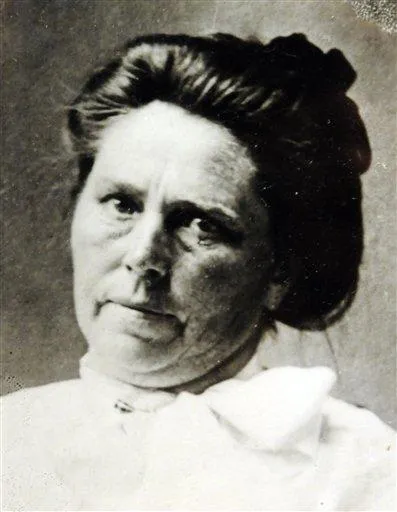
Belle Gunness
Female Serial Killer Case
CLASSIFICATION: Serial Homicide
LOCATION
La Porte, Indiana
TIME PERIOD
1884-1908
VICTIMS
14 confirmed
Belle Gunness, a Norwegian-American serial killer, is believed to have murdered at least fourteen individuals, primarily men lured to her rural property in La Porte, Indiana, through personal advertisements, between 1884 and 1908. Key incidents include the suspicious deaths of her first husband, Mads Sørensen, in 1900, and the untimely deaths of her children, both of whom were insured, raising significant concerns among neighbors. Gunness was reportedly killed in a fire at her home on April 28, 1908; however, her remains were never conclusively identified, leading to speculation that she may have faked her death. Investigations into her activities revealed a pattern of insurance fraud and multiple disappearances linked to her, with some estimates suggesting she could be responsible for as many as forty murders. The case remains unresolved, with Gunness's true fate still a mystery.
Belle Gunness is believed to have killed at least fourteen men, luring them to her property through personal advertisements, with some speculating that her victim count could be as high as forty. After her presumed death in a fire in 1908, many theorize that she faked her own demise to escape capture, as her body was never conclusively identified. There are also theories suggesting that she may have buried her victims on her farm, as numerous remains were discovered in the area over the years.
The Enigmatic Belle Gunness: A Life Shrouded in Mystery and Murder
Early Life and Immigration
In the quiet village of Selbu, Søndre Trondhjem, Norway, on November 11, 1859, Brynhild Paulsdatter Størseth was born into a family of eight children. As the youngest, she harbored ambitions that extended far beyond the confines of her rural upbringing. By the age of 14, she was earning her keep, milking and herding cattle for neighboring farms to amass enough funds for a journey across the Atlantic. In 1881, she set sail for America, leaving her native Norway behind.
Upon her arrival at Castle Garden, the bustling entry point for immigrants in New York City, Brynhild transformed into Belle. She ventured to Chicago, seeking refuge with her sister Nellie, who had already settled in the city. In Chicago, Belle initially worked as a domestic servant before finding employment at a butcher's shop, where she developed a keen skill in handling animal carcasses. Towering at 5 feet 7 inches and weighing between 209 and 249 pounds, Belle possessed a formidable physical presence.
The Mysterious Deaths Begin
Belle's life in America took a dramatic turn in 1884 when she married Mads Ditlev Anton Sørensen. The couple opened a candy store, which mysteriously burned down, as did their home, both incidents resulting in insurance payouts. Tragedy struck further when two infants in Belle's care succumbed to inflammation of the large intestine. Despite never showing signs of pregnancy, Belle collected life insurance checks for each child.
In a twist of fate or calculation, Mads Sørensen died on July 30, 1900, the very day his two life insurance policies overlapped. Belle claimed he had returned home with a headache, and after she administered quinine powder, he was found dead. With $5,000 from the insurance policies, Belle relocated to La Porte, Indiana, where she purchased a pig farm.
Marriage to Peter Gunness and More Suspicious Deaths
Belle's second marriage to Peter Gunness on April 1, 1902, quickly turned tragic. Within a week, Peter's infant daughter died while under Belle's care. Eight months later, Peter himself met a grisly end, allegedly struck by a falling meat grinder. Though a coroner suspected foul play, Belle walked away with $3,000 from Peter's life insurance.
The Disappearances and a Grim Discovery
In 1905, Belle began placing marriage ads in Chicago newspapers, luring men like Henry Gurholt from Wisconsin to her Indiana farm. Gurholt disappeared without a trace, leaving behind only a trunk and a fur overcoat. Similarly, John Moe from Minnesota vanished after withdrawing a large sum of money, his trunk joining a collection of others in Belle's home.
The sinister truth emerged in April 1908 when a fire consumed the Gunness farmhouse. Among the ashes, authorities discovered the headless body of a woman thought to be Belle, along with the remains of her three children. However, further inspection of the property uncovered partial remains of at least eleven more victims.
The Investigation and Ray Lamphere's Role
Asle Helgelien, searching for his missing brother Andrew, uncovered correspondence with Belle, where she urged secrecy and money. A subsequent investigation revealed mutilated bodies buried in shallow graves on Belle's farm. Each body was dismembered in a uniquely gruesome manner, fueling rumors of Belle's involvement in their deaths.
Ray Lamphere, Belle's handyman and on-again, off-again lover, was convicted of arson for the farmhouse fire. He later confessed that Belle had lured men to their doom before murdering them. Lamphere claimed the headless body was planted to mislead investigators, and that Belle had orchestrated her own disappearance.
The Legacy of Belle Gunness
Despite being pronounced dead, Belle's fate remains a mystery. Inconsistencies in the postmortem report and reported sightings of her in Chicago perpetuated the legend of her escape. DNA tests in 2008 aimed to solve the mystery but were inconclusive due to the degradation of the samples.
Belle Gunness's story captivated the public, transforming her farm into a macabre tourist attraction. Her life and crimes inspired songs, books, films, and even a podcast, solidifying her place in the annals of true crime history.
Sources
For further reading and detailed investigation, refer to the original Wikipedia article: Belle Gunness.
No Recent News
No recent news articles found for this case. Check back later for updates.
No Evidence Submitted
No evidence found for this case. Be the first to submit evidence in the comments below.
Join the discussion
Loading comments...
First Marriage
Belle Gunness marries Mads Sørensen, beginning her life of crime.
Mads Sørensen Dies
Mads Sørensen dies suddenly; Belle collects $5,000 in insurance.
Second Marriage
Belle marries Peter Gunness, who dies under suspicious circumstances.
Marriage Ads Begin
Belle starts placing personal ads to lure men to her farm.
Farmhouse Fire
Belle's farmhouse burns down; bodies are discovered in the ruins.
Discovery of Bodies
Authorities find multiple bodies buried on Gunness's property.
Ray Lamphere Convicted
Ray Lamphere is convicted of arson related to the farmhouse fire.
Lamphere's Confession
Ray Lamphere confesses to his involvement in Gunness's crimes.
Gunness's Fate Uncertain
Belle Gunness is declared dead, but her actual fate remains a mystery.
Belle Gunness, a Norwegian-American serial killer, is believed to have murdered at least fourteen individuals, primarily men lured to her rural property in La Porte, Indiana, through personal advertisements, between 1884 and 1908. Key incidents include the suspicious deaths of her first husband, Mads Sørensen, in 1900, and the untimely deaths of her children, both of whom were insured, raising significant concerns among neighbors. Gunness was reportedly killed in a fire at her home on April 28, 1908; however, her remains were never conclusively identified, leading to speculation that she may have faked her death. Investigations into her activities revealed a pattern of insurance fraud and multiple disappearances linked to her, with some estimates suggesting she could be responsible for as many as forty murders. The case remains unresolved, with Gunness's true fate still a mystery.
Belle Gunness is believed to have killed at least fourteen men, luring them to her property through personal advertisements, with some speculating that her victim count could be as high as forty. After her presumed death in a fire in 1908, many theorize that she faked her own demise to escape capture, as her body was never conclusively identified. There are also theories suggesting that she may have buried her victims on her farm, as numerous remains were discovered in the area over the years.
The Enigmatic Belle Gunness: A Life Shrouded in Mystery and Murder
Early Life and Immigration
In the quiet village of Selbu, Søndre Trondhjem, Norway, on November 11, 1859, Brynhild Paulsdatter Størseth was born into a family of eight children. As the youngest, she harbored ambitions that extended far beyond the confines of her rural upbringing. By the age of 14, she was earning her keep, milking and herding cattle for neighboring farms to amass enough funds for a journey across the Atlantic. In 1881, she set sail for America, leaving her native Norway behind.
Upon her arrival at Castle Garden, the bustling entry point for immigrants in New York City, Brynhild transformed into Belle. She ventured to Chicago, seeking refuge with her sister Nellie, who had already settled in the city. In Chicago, Belle initially worked as a domestic servant before finding employment at a butcher's shop, where she developed a keen skill in handling animal carcasses. Towering at 5 feet 7 inches and weighing between 209 and 249 pounds, Belle possessed a formidable physical presence.
The Mysterious Deaths Begin
Belle's life in America took a dramatic turn in 1884 when she married Mads Ditlev Anton Sørensen. The couple opened a candy store, which mysteriously burned down, as did their home, both incidents resulting in insurance payouts. Tragedy struck further when two infants in Belle's care succumbed to inflammation of the large intestine. Despite never showing signs of pregnancy, Belle collected life insurance checks for each child.
In a twist of fate or calculation, Mads Sørensen died on July 30, 1900, the very day his two life insurance policies overlapped. Belle claimed he had returned home with a headache, and after she administered quinine powder, he was found dead. With $5,000 from the insurance policies, Belle relocated to La Porte, Indiana, where she purchased a pig farm.
Marriage to Peter Gunness and More Suspicious Deaths
Belle's second marriage to Peter Gunness on April 1, 1902, quickly turned tragic. Within a week, Peter's infant daughter died while under Belle's care. Eight months later, Peter himself met a grisly end, allegedly struck by a falling meat grinder. Though a coroner suspected foul play, Belle walked away with $3,000 from Peter's life insurance.
The Disappearances and a Grim Discovery
In 1905, Belle began placing marriage ads in Chicago newspapers, luring men like Henry Gurholt from Wisconsin to her Indiana farm. Gurholt disappeared without a trace, leaving behind only a trunk and a fur overcoat. Similarly, John Moe from Minnesota vanished after withdrawing a large sum of money, his trunk joining a collection of others in Belle's home.
The sinister truth emerged in April 1908 when a fire consumed the Gunness farmhouse. Among the ashes, authorities discovered the headless body of a woman thought to be Belle, along with the remains of her three children. However, further inspection of the property uncovered partial remains of at least eleven more victims.
The Investigation and Ray Lamphere's Role
Asle Helgelien, searching for his missing brother Andrew, uncovered correspondence with Belle, where she urged secrecy and money. A subsequent investigation revealed mutilated bodies buried in shallow graves on Belle's farm. Each body was dismembered in a uniquely gruesome manner, fueling rumors of Belle's involvement in their deaths.
Ray Lamphere, Belle's handyman and on-again, off-again lover, was convicted of arson for the farmhouse fire. He later confessed that Belle had lured men to their doom before murdering them. Lamphere claimed the headless body was planted to mislead investigators, and that Belle had orchestrated her own disappearance.
The Legacy of Belle Gunness
Despite being pronounced dead, Belle's fate remains a mystery. Inconsistencies in the postmortem report and reported sightings of her in Chicago perpetuated the legend of her escape. DNA tests in 2008 aimed to solve the mystery but were inconclusive due to the degradation of the samples.
Belle Gunness's story captivated the public, transforming her farm into a macabre tourist attraction. Her life and crimes inspired songs, books, films, and even a podcast, solidifying her place in the annals of true crime history.
Sources
For further reading and detailed investigation, refer to the original Wikipedia article: Belle Gunness.
No Recent News
No recent news articles found for this case. Check back later for updates.
No Evidence Submitted
No evidence found for this case. Be the first to submit evidence in the comments below.
Join the discussion
Loading comments...
First Marriage
Belle Gunness marries Mads Sørensen, beginning her life of crime.
Mads Sørensen Dies
Mads Sørensen dies suddenly; Belle collects $5,000 in insurance.
Second Marriage
Belle marries Peter Gunness, who dies under suspicious circumstances.
Marriage Ads Begin
Belle starts placing personal ads to lure men to her farm.
Farmhouse Fire
Belle's farmhouse burns down; bodies are discovered in the ruins.
Discovery of Bodies
Authorities find multiple bodies buried on Gunness's property.
Ray Lamphere Convicted
Ray Lamphere is convicted of arson related to the farmhouse fire.
Lamphere's Confession
Ray Lamphere confesses to his involvement in Gunness's crimes.
Gunness's Fate Uncertain
Belle Gunness is declared dead, but her actual fate remains a mystery.