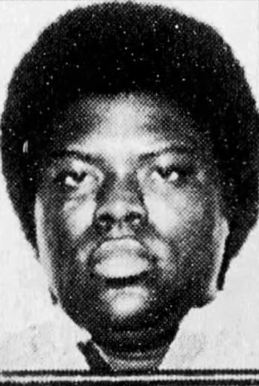
Beoria Simmons
Kentucky Serial Killer Case
CLASSIFICATION: Serial Homicide
LOCATION
Jefferson County, Kentucky
TIME PERIOD
1981-1983
VICTIMS
3 confirmed
Park in Jefferson County, Kentucky. House had been reported missing for several days, and her body showed signs of having been raped and shot multiple times. Investigators recovered shell casings at the scene that matched those found in the Barnes case, linking the two murders. Despite extensive media coverage and community outreach, leads remained scarce until Simmons attempted to kidnap a fourth victim on June 11, 1983, which led to his arrest. Simmons was charged with the murders of Robin Barnes, Shannon House, and a third victim, 17-year-old Angela McCoy, who was discovered in a similar manner shortly after House. He was convicted of three counts of murder, three counts of kidnapping resulting in death, and other charges. Initially sentenced to death, Simmons' sentence was commuted to life imprisonment in 2010, and he is currently incarcerated at Kentucky State Penitentiary. Significant evidence included ballistic matches between the crime scenes and DNA evidence linking Simmons to the victims, which played a crucial role in securing his conviction.
Beoria Simmons is believed to have targeted vulnerable young women and girls, exploiting their circumstances, such as hitchhiking, to commit his crimes. Some speculate that his role as a halfway house counselor may have provided him with insights into the behaviors and vulnerabilities of potential victims. Additionally, there is ongoing discussion regarding the wrongful imprisonment of another man for one of Simmons' murders, raising questions about the investigative process and the potential for other innocent individuals being wrongfully convicted in similar cases.
The Shadows of Louisville: The Crimes of Beoria Simmons
Early Life and Background
In the heart of Louisville, Kentucky, on May 17, 1954, Beoria Abraham Simmons II entered the world, the son of a retired Army sergeant. He grew up to be a seemingly ordinary young man, eventually attending Spalding College in his hometown. There, he earned a bachelor's degree in social work, a field where he would later find employment as a counselor at a halfway house. To those who knew him, Simmons appeared to be an upstanding citizen. However, a psychiatrist would later diagnose him with mild depression, a shadow lurking beneath his outwardly respectable demeanor.
The Murders
Robin L. Barnes
The chilling saga began on May 18, 1981, when a fisherman stumbled upon the lifeless body of 15-year-old Robin L. Barnes in a marshy area of southern Jefferson County. Robin, a middle school cheerleader known to hitchhike and run away, was found fully clothed. The investigation into her murder was exhaustive, with detectives interviewing up to 75 of her acquaintances. A single pubic hair on her coat suggested rape, and beneath her body, three bullet casings hinted at the violent nature of her death. These casings, sent to the Kentucky State Police Regional Crime Lab, matched bullets fired from a .360 caliber pistol. Despite countless tips generated from a Crime Stoppers appeal, the case went cold.
Shannon House
Fast forward ten months to March 25, 1982, when the body of 29-year-old Shannon House was discovered by a roofer in a wooded area near Iroquois Park, southern Louisville. Initially, police saw no connection between House's murder and that of Robin Barnes. House was older and had been shot once, unlike Barnes, who was shot three times. However, both women had been raped. The breakthrough came when detectives found a bullet casing at the scene, confirming it was fired from the same .360 caliber pistol used in Barnes' murder.
Nancy Bettman
The pattern of violence continued on March 12, 1983, when three boys made a grim discovery: the body of 39-year-old Nancy Bettman lying in a creek next to a golf course. Bettman, unlike the other victims, was partially nude and had been shot once in the back of the head. Ballistics evidence once again linked her murder to the previous ones, confirming the presence of a serial killer.
The Hunt Begins
As the bodies piled up, psychologists crafted a profile of the killer. They theorized he was raised in a religious household with an authoritarian father and was well-regarded in the community. The annual pattern of killings led investigators to suspect the murderer might be traveling, striking in Louisville before moving on. Despite reaching out to police across the nation, no similar murders were found.
The Arrest
On the night of June 11, 1983, a 16-year-old girl faced a terrifying ordeal. Kidnapped at gunpoint by a heavy-set black man, she was driven to Iroquois Park. In a courageous act of self-defense, she stabbed him with a pocketknife and escaped, finding refuge in a nearby convenience store where she called the police. Meanwhile, Beoria Simmons checked into Humana Hospital with a knife wound, claiming he had been attacked by hitchhikers. The police put two and two together when the girl's description of her attacker matched Simmons, especially the detail about his 1975 Chrysler Cordoba. Upon questioning, Simmons confessed to the attempted abduction. Police found a .360 caliber pistol in his car, linking him to the murder weapon used in the killings. Simmons claimed the murders resulted from accidental arguments, but his confession sealed his fate.
The Wrongful Conviction of Paul Thomas
The Simmons case also cast doubt on the conviction of Paul Davis Thomas. On June 10, 1982, Phyllis Downes had been accosted at a bus stop by a man who matched Simmons' description. Thomas, a black man with a similar build, was wrongfully identified and convicted by an all-white jury, serving five months before Simmons' arrest prompted a reevaluation. Thomas passed three lie detector tests, and Downes later identified Simmons as her attacker. Thomas' convictions were overturned, and he was released, expressing belief that racial bias contributed to his initial conviction.
Trial and Aftermath
Simmons' trial commenced 20 months after his arrest. He admitted to the murders but pleaded insanity. A psychologist, however, diagnosed him only with depression, ruling out insanity. The jury found him guilty of all charges, sentencing him to death. In 2010, following a successful appeal, his death sentence was commuted to six life terms without parole, with Simmons agreeing to waive parole rights.
Sources
For more information, see the original Wikipedia article on Beoria Simmons.
No Recent News
No recent news articles found for this case. Check back later for updates.
No Evidence Submitted
No evidence found for this case. Be the first to submit evidence in the comments below.
Join the discussion
Loading comments...
First Victim Found
The body of 15-year-old Robin L. Barnes is discovered in Jefferson County, marking the start of Simmons' crime spree.
Second Victim Found
The body of 29-year-old Shannon House is found in a wooded area, linking her murder to Barnes' case through ballistics.
Third Victim Found
The body of 39-year-old Nancy Bettman is discovered, confirming the connection between all three murders.
Simmons Arrested
Beoria Simmons is arrested after a failed kidnapping attempt, leading to his confession and connection to the murders.
Wrongful Conviction Revealed
Paul Thomas is exonerated after Simmons' arrest reveals he was wrongfully convicted for a crime linked to Simmons.
Trial Begins
Simmons goes to trial, admitting to the murders but claiming insanity; he is found guilty.
Death Sentence Imposed
The jury sentences Simmons to death for the murders of the three women.
Sentence Commuted
Simmons' death sentence is commuted to six life terms without parole after a successful appeal.
Park in Jefferson County, Kentucky. House had been reported missing for several days, and her body showed signs of having been raped and shot multiple times. Investigators recovered shell casings at the scene that matched those found in the Barnes case, linking the two murders. Despite extensive media coverage and community outreach, leads remained scarce until Simmons attempted to kidnap a fourth victim on June 11, 1983, which led to his arrest. Simmons was charged with the murders of Robin Barnes, Shannon House, and a third victim, 17-year-old Angela McCoy, who was discovered in a similar manner shortly after House. He was convicted of three counts of murder, three counts of kidnapping resulting in death, and other charges. Initially sentenced to death, Simmons' sentence was commuted to life imprisonment in 2010, and he is currently incarcerated at Kentucky State Penitentiary. Significant evidence included ballistic matches between the crime scenes and DNA evidence linking Simmons to the victims, which played a crucial role in securing his conviction.
Beoria Simmons is believed to have targeted vulnerable young women and girls, exploiting their circumstances, such as hitchhiking, to commit his crimes. Some speculate that his role as a halfway house counselor may have provided him with insights into the behaviors and vulnerabilities of potential victims. Additionally, there is ongoing discussion regarding the wrongful imprisonment of another man for one of Simmons' murders, raising questions about the investigative process and the potential for other innocent individuals being wrongfully convicted in similar cases.
The Shadows of Louisville: The Crimes of Beoria Simmons
Early Life and Background
In the heart of Louisville, Kentucky, on May 17, 1954, Beoria Abraham Simmons II entered the world, the son of a retired Army sergeant. He grew up to be a seemingly ordinary young man, eventually attending Spalding College in his hometown. There, he earned a bachelor's degree in social work, a field where he would later find employment as a counselor at a halfway house. To those who knew him, Simmons appeared to be an upstanding citizen. However, a psychiatrist would later diagnose him with mild depression, a shadow lurking beneath his outwardly respectable demeanor.
The Murders
Robin L. Barnes
The chilling saga began on May 18, 1981, when a fisherman stumbled upon the lifeless body of 15-year-old Robin L. Barnes in a marshy area of southern Jefferson County. Robin, a middle school cheerleader known to hitchhike and run away, was found fully clothed. The investigation into her murder was exhaustive, with detectives interviewing up to 75 of her acquaintances. A single pubic hair on her coat suggested rape, and beneath her body, three bullet casings hinted at the violent nature of her death. These casings, sent to the Kentucky State Police Regional Crime Lab, matched bullets fired from a .360 caliber pistol. Despite countless tips generated from a Crime Stoppers appeal, the case went cold.
Shannon House
Fast forward ten months to March 25, 1982, when the body of 29-year-old Shannon House was discovered by a roofer in a wooded area near Iroquois Park, southern Louisville. Initially, police saw no connection between House's murder and that of Robin Barnes. House was older and had been shot once, unlike Barnes, who was shot three times. However, both women had been raped. The breakthrough came when detectives found a bullet casing at the scene, confirming it was fired from the same .360 caliber pistol used in Barnes' murder.
Nancy Bettman
The pattern of violence continued on March 12, 1983, when three boys made a grim discovery: the body of 39-year-old Nancy Bettman lying in a creek next to a golf course. Bettman, unlike the other victims, was partially nude and had been shot once in the back of the head. Ballistics evidence once again linked her murder to the previous ones, confirming the presence of a serial killer.
The Hunt Begins
As the bodies piled up, psychologists crafted a profile of the killer. They theorized he was raised in a religious household with an authoritarian father and was well-regarded in the community. The annual pattern of killings led investigators to suspect the murderer might be traveling, striking in Louisville before moving on. Despite reaching out to police across the nation, no similar murders were found.
The Arrest
On the night of June 11, 1983, a 16-year-old girl faced a terrifying ordeal. Kidnapped at gunpoint by a heavy-set black man, she was driven to Iroquois Park. In a courageous act of self-defense, she stabbed him with a pocketknife and escaped, finding refuge in a nearby convenience store where she called the police. Meanwhile, Beoria Simmons checked into Humana Hospital with a knife wound, claiming he had been attacked by hitchhikers. The police put two and two together when the girl's description of her attacker matched Simmons, especially the detail about his 1975 Chrysler Cordoba. Upon questioning, Simmons confessed to the attempted abduction. Police found a .360 caliber pistol in his car, linking him to the murder weapon used in the killings. Simmons claimed the murders resulted from accidental arguments, but his confession sealed his fate.
The Wrongful Conviction of Paul Thomas
The Simmons case also cast doubt on the conviction of Paul Davis Thomas. On June 10, 1982, Phyllis Downes had been accosted at a bus stop by a man who matched Simmons' description. Thomas, a black man with a similar build, was wrongfully identified and convicted by an all-white jury, serving five months before Simmons' arrest prompted a reevaluation. Thomas passed three lie detector tests, and Downes later identified Simmons as her attacker. Thomas' convictions were overturned, and he was released, expressing belief that racial bias contributed to his initial conviction.
Trial and Aftermath
Simmons' trial commenced 20 months after his arrest. He admitted to the murders but pleaded insanity. A psychologist, however, diagnosed him only with depression, ruling out insanity. The jury found him guilty of all charges, sentencing him to death. In 2010, following a successful appeal, his death sentence was commuted to six life terms without parole, with Simmons agreeing to waive parole rights.
Sources
For more information, see the original Wikipedia article on Beoria Simmons.
No Recent News
No recent news articles found for this case. Check back later for updates.
No Evidence Submitted
No evidence found for this case. Be the first to submit evidence in the comments below.
Join the discussion
Loading comments...
First Victim Found
The body of 15-year-old Robin L. Barnes is discovered in Jefferson County, marking the start of Simmons' crime spree.
Second Victim Found
The body of 29-year-old Shannon House is found in a wooded area, linking her murder to Barnes' case through ballistics.
Third Victim Found
The body of 39-year-old Nancy Bettman is discovered, confirming the connection between all three murders.
Simmons Arrested
Beoria Simmons is arrested after a failed kidnapping attempt, leading to his confession and connection to the murders.
Wrongful Conviction Revealed
Paul Thomas is exonerated after Simmons' arrest reveals he was wrongfully convicted for a crime linked to Simmons.
Trial Begins
Simmons goes to trial, admitting to the murders but claiming insanity; he is found guilty.
Death Sentence Imposed
The jury sentences Simmons to death for the murders of the three women.
Sentence Commuted
Simmons' death sentence is commuted to six life terms without parole after a successful appeal.