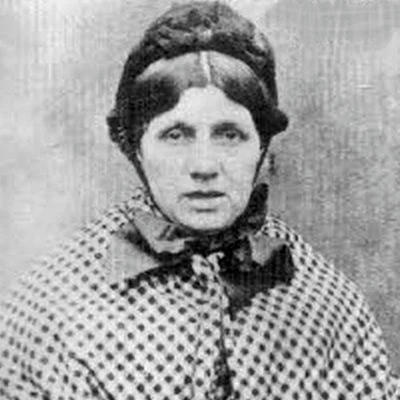
Bertha Gifford
Female Serial Killer Case
CLASSIFICATION: Serial Homicide
LOCATION
Catawissa, Missouri
TIME PERIOD
1900s–1928
VICTIMS
3 confirmed
Bertha Alice Williams Graham Gifford, an American farmwife, was implicated in the deaths of three individuals and suspected in up to 15 additional fatalities in rural Catawissa, Missouri, during the early 1900s. The incidents occurred between 1900 and 1928, with Gifford's arrest taking place in 1928 after a grand jury investigation into the deaths of five people under her care. Key victims included Edward Brinley and brothers Elmer and Lloyd Schamel, whose exhumed bodies revealed high levels of arsenic. Gifford was tried in Union, Missouri, and found not guilty by reason of insanity, subsequently being committed to the Missouri State Hospital #4, where she remained until her death in 1951. The case remains notable due to the ambiguity surrounding the intentionality of the deaths, given the era's medical practices involving arsenic.
Bertha Gifford is believed to have used her position as a caregiver to poison her victims, with arsenic being found in the bodies of at least three individuals she was accused of murdering. Community speculation suggests that her charming demeanor and cooking skills allowed her to gain the trust of those around her, making it easier for her to commit her crimes undetected. Some theorize that her actions may have stemmed from deeper psychological issues, as she was ultimately found not guilty by reason of insanity.
The Enigma of Bertha Gifford: A Tale of Poison and Suspicion
In the early 1900s, in the quiet rural landscapes of Catawissa, Missouri, a shadow lurked behind an otherwise idyllic façade. This is the story of Bertha Alice Williams Graham Gifford, an American farmwife whose name became synonymous with mystery and death. Born on October 30, 1871, in Morse Mill, Missouri, Bertha's life and alleged crimes would later etch her into the annals of American crime history as one of the first female serial killers, potentially behind notorious names like Belle Gunness and Jane Toppan.
Early Life and Personal Background
Bertha Alice Williams was one of the ten children born to William Poindexter Williams and Matilda Lee. Her early life in Morse Mill, Missouri, appeared typical for a girl of her time. She first married Henry Graham, with whom she had a daughter named Lila. After Graham's untimely death, Bertha remarried Eugene Gifford, and together they had a son, James.
A Caring Neighbor or a Sinister Nurse?
In her community, Bertha was well-regarded for her culinary skills and her willingness to care for the sick. However, this facade of benevolence hid a darker reality. Under her care, five individuals met their untimely deaths, which led to a cloud of suspicion and a grand jury investigation in 1928. Her arrest took place in Eureka, Missouri, where she faced charges for three murders.
The Crimes and Investigation
The chilling details of Bertha's alleged crimes came to light when authorities exhumed the bodies of Edward Brinley and brothers Elmer and Lloyd Schamel. Forensic examinations revealed large amounts of arsenic in their bodies, a poison commonly employed at the time for various purposes, including medical treatments. Despite these damning findings, the legal proceedings took a surprising turn.
Trial and Legal Outcome
The trial, held in Union, Missouri, unfolded over three tense days. Despite the evidence, Bertha Gifford was found not guilty by reason of insanity, reflecting the complexities of early 20th-century forensic science and legal standards. Consequently, she was committed to the Missouri State Hospital #4, a psychiatric institution, where she spent the remainder of her life until her death on August 20, 1951.
The Larger Mystery: Victims and Motives
While Bertha was officially charged with three murders, suspicions lingered around the deaths of up to 17 individuals, all of whom had died under her care. The grand jury's investigation into the initial five deaths only deepened the mystery, as it raised questions about an additional twelve fatalities. The era's rampant mortality rates and the unregulated use of arsenic blurred the lines between intentional homicide and tragic medical practices.
Theories and Speculations
Bertha Gifford's case remains shrouded in ambiguity. The lack of concrete evidence and the era's primitive forensic techniques leave room for speculation. Was she a benevolent caregiver caught in a web of unfortunate coincidences, or a cunning murderer who exploited her community's trust? The truth remains elusive, a haunting question left unanswered by history.
Conclusion
Bertha Gifford's life and the deaths surrounding her serve as a chilling reminder of the shadows that can lurk in the most unsuspecting places. Her story invites reflection on the nature of justice, the evolution of forensic science, and the thin veneer that often separates the innocent from the guilty.
Sources
For more detailed accounts and references, you can visit the original Wikipedia page on Bertha Gifford: Wikipedia URL.
No Recent News
No recent news articles found for this case. Check back later for updates.
No Evidence Submitted
No evidence found for this case. Be the first to submit evidence in the comments below.
Join the discussion
Loading comments...
First Deaths in Care
Five people die while under Bertha Gifford's care, raising suspicions.
Grand Jury Investigation
A grand jury investigates the deaths linked to Gifford, suspecting foul play.
Arrest of Bertha Gifford
Bertha Gifford is arrested in Eureka, Missouri, charged with three murders.
Exhumation of Bodies
Bodies of Edward Brinley and the Schamel brothers are exhumed, revealing arsenic.
Trial Begins
Gifford's trial for the murders begins in Union, Missouri.
Verdict Delivered
Gifford is found not guilty by reason of insanity and committed to a mental facility.
Commitment to Hospital
Bertha Gifford is committed to Missouri State Hospital #4 after her trial.
Death of Bertha Gifford
Bertha Gifford dies in the mental hospital where she was committed.
Bertha Alice Williams Graham Gifford, an American farmwife, was implicated in the deaths of three individuals and suspected in up to 15 additional fatalities in rural Catawissa, Missouri, during the early 1900s. The incidents occurred between 1900 and 1928, with Gifford's arrest taking place in 1928 after a grand jury investigation into the deaths of five people under her care. Key victims included Edward Brinley and brothers Elmer and Lloyd Schamel, whose exhumed bodies revealed high levels of arsenic. Gifford was tried in Union, Missouri, and found not guilty by reason of insanity, subsequently being committed to the Missouri State Hospital #4, where she remained until her death in 1951. The case remains notable due to the ambiguity surrounding the intentionality of the deaths, given the era's medical practices involving arsenic.
Bertha Gifford is believed to have used her position as a caregiver to poison her victims, with arsenic being found in the bodies of at least three individuals she was accused of murdering. Community speculation suggests that her charming demeanor and cooking skills allowed her to gain the trust of those around her, making it easier for her to commit her crimes undetected. Some theorize that her actions may have stemmed from deeper psychological issues, as she was ultimately found not guilty by reason of insanity.
The Enigma of Bertha Gifford: A Tale of Poison and Suspicion
In the early 1900s, in the quiet rural landscapes of Catawissa, Missouri, a shadow lurked behind an otherwise idyllic façade. This is the story of Bertha Alice Williams Graham Gifford, an American farmwife whose name became synonymous with mystery and death. Born on October 30, 1871, in Morse Mill, Missouri, Bertha's life and alleged crimes would later etch her into the annals of American crime history as one of the first female serial killers, potentially behind notorious names like Belle Gunness and Jane Toppan.
Early Life and Personal Background
Bertha Alice Williams was one of the ten children born to William Poindexter Williams and Matilda Lee. Her early life in Morse Mill, Missouri, appeared typical for a girl of her time. She first married Henry Graham, with whom she had a daughter named Lila. After Graham's untimely death, Bertha remarried Eugene Gifford, and together they had a son, James.
A Caring Neighbor or a Sinister Nurse?
In her community, Bertha was well-regarded for her culinary skills and her willingness to care for the sick. However, this facade of benevolence hid a darker reality. Under her care, five individuals met their untimely deaths, which led to a cloud of suspicion and a grand jury investigation in 1928. Her arrest took place in Eureka, Missouri, where she faced charges for three murders.
The Crimes and Investigation
The chilling details of Bertha's alleged crimes came to light when authorities exhumed the bodies of Edward Brinley and brothers Elmer and Lloyd Schamel. Forensic examinations revealed large amounts of arsenic in their bodies, a poison commonly employed at the time for various purposes, including medical treatments. Despite these damning findings, the legal proceedings took a surprising turn.
Trial and Legal Outcome
The trial, held in Union, Missouri, unfolded over three tense days. Despite the evidence, Bertha Gifford was found not guilty by reason of insanity, reflecting the complexities of early 20th-century forensic science and legal standards. Consequently, she was committed to the Missouri State Hospital #4, a psychiatric institution, where she spent the remainder of her life until her death on August 20, 1951.
The Larger Mystery: Victims and Motives
While Bertha was officially charged with three murders, suspicions lingered around the deaths of up to 17 individuals, all of whom had died under her care. The grand jury's investigation into the initial five deaths only deepened the mystery, as it raised questions about an additional twelve fatalities. The era's rampant mortality rates and the unregulated use of arsenic blurred the lines between intentional homicide and tragic medical practices.
Theories and Speculations
Bertha Gifford's case remains shrouded in ambiguity. The lack of concrete evidence and the era's primitive forensic techniques leave room for speculation. Was she a benevolent caregiver caught in a web of unfortunate coincidences, or a cunning murderer who exploited her community's trust? The truth remains elusive, a haunting question left unanswered by history.
Conclusion
Bertha Gifford's life and the deaths surrounding her serve as a chilling reminder of the shadows that can lurk in the most unsuspecting places. Her story invites reflection on the nature of justice, the evolution of forensic science, and the thin veneer that often separates the innocent from the guilty.
Sources
For more detailed accounts and references, you can visit the original Wikipedia page on Bertha Gifford: Wikipedia URL.
No Recent News
No recent news articles found for this case. Check back later for updates.
No Evidence Submitted
No evidence found for this case. Be the first to submit evidence in the comments below.
Join the discussion
Loading comments...
First Deaths in Care
Five people die while under Bertha Gifford's care, raising suspicions.
Grand Jury Investigation
A grand jury investigates the deaths linked to Gifford, suspecting foul play.
Arrest of Bertha Gifford
Bertha Gifford is arrested in Eureka, Missouri, charged with three murders.
Exhumation of Bodies
Bodies of Edward Brinley and the Schamel brothers are exhumed, revealing arsenic.
Trial Begins
Gifford's trial for the murders begins in Union, Missouri.
Verdict Delivered
Gifford is found not guilty by reason of insanity and committed to a mental facility.
Commitment to Hospital
Bertha Gifford is committed to Missouri State Hospital #4 after her trial.
Death of Bertha Gifford
Bertha Gifford dies in the mental hospital where she was committed.