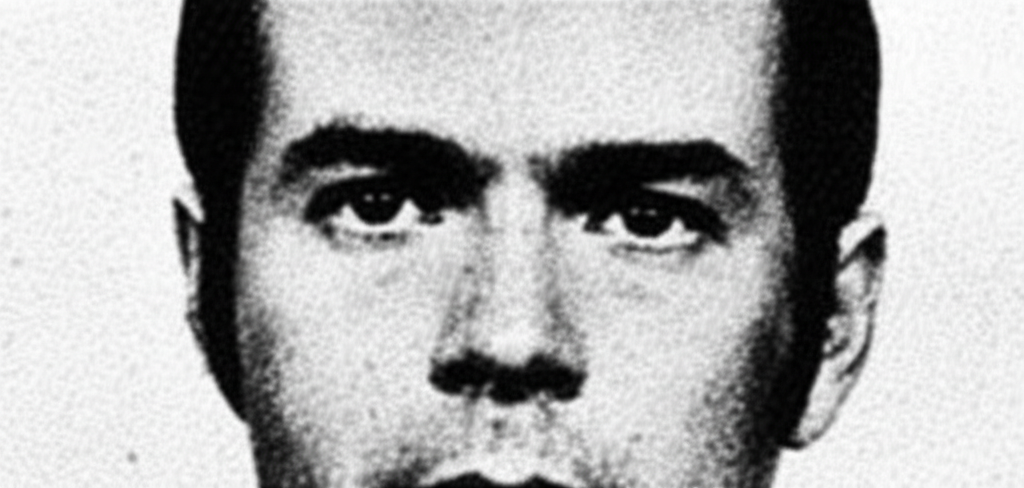
Cecil Henry Floyd
American Serial Killer Spree
CLASSIFICATION: Serial Homicide
LOCATION
Indianapolis, Indiana
TIME PERIOD
1973-1974
VICTIMS
6 confirmed
Cecil Henry Floyd, an American serial killer, committed a series of murders during a crime spree across Indiana, Florida, Nebraska, and Kansas between 1973 and 1974, resulting in at least six confirmed victims. His first known murder occurred on July 23, 1973, when he shot 15-year-old Henry Michael Maser in Lebanon, Indiana, during a robbery. Floyd was apprehended on July 24, 1974, and subsequently convicted of multiple murders, receiving life sentences without parole in Indiana and Nebraska. He later confessed to killing eleven people, although these claims were never substantiated. Floyd remained incarcerated until his death in an Indiana prison on June 17, 2011. Significant evidence includes his confession and the forensic analysis linking him to the murder of Maser, as well as other victims identified during the investigation.
Cecil Henry Floyd is believed to have committed at least six murders during a crime spree with his wife, but he claimed to have killed eleven people in total, a number that remains unverified. Some speculate that Floyd's violent behavior was exacerbated by his paranoia about being caught by the police, which may have driven him to commit more crimes. Additionally, there are theories surrounding his wife's involvement, with some believing she was coerced into participating in the murders due to Floyd's abusive nature.
The Sinister Trail of Cecil Henry Floyd
Cecil Henry Floyd, a name etched in the annals of American crime, embarked on a chilling spree of murder and robbery that spanned four states between 1973 and 1974. Together with his wife, Lorna Jean Kern, Floyd left behind a trail of at least six bodies, though he later claimed his tally reached eleven. While these additional confessions were never substantiated, the horrors he committed during that brief period remain indisputable. Floyd was ultimately apprehended and sentenced to life imprisonment in both Indiana and Nebraska, where he languished until his death in 2011.
Early Life
Born in 1945 in Indianapolis, Indiana, Cecil Henry Floyd was the only child of Cecil Moses Floyd and Sarah Pearl Farlow. Little is known about his formative years, save for a minor legal infraction in 1959 when he was fined $55 for careless driving without a license. His life took a darker turn in 1971 when he married Lorna Jean Kern. According to Lorna, their union began under duress after a meeting in a Macon, Georgia motel, where Floyd threatened her children from a previous marriage to secure her compliance. She later recounted his paranoia about police capture and his abusive treatment of her children as signs of a deeply troubled man.
The Murders
Floyd's murderous rampage began on July 23, 1973. At the Boone County Fair in Lebanon, Indiana, he encountered 15-year-old Henry Michael Maser. Floyd, traveling with two companions, shot Maser thrice in the head, stole his wallet containing a mere $5, and vanished. Maser's body, hidden in underbrush, was discovered six days later, confirming a brutal murder.
The investigation initially led police to arrest Robert Stewart, a carnival worker, on charges of auto theft. However, Stewart's alibi, corroborated by a passed polygraph test, cleared him of Maser's murder, redirecting suspicion back to Floyd.
On November 14, Floyd, alongside accomplice Thomas Mattingly, invaded the Durands Motel in Union Park, Florida. They bludgeoned owner Barney M. Rycyk 66 times with a claw hammer, stole $20, and fled. Stanley Rycyk, returning from errands, discovered his brother's body and provided critical details to authorities, including a partial license plate number of the getaway car.
The violence escalated on February 20, 1974, when James Chitwood found his wife, Karen, brutally murdered in their Orlando apartment. Bound, gagged, and fatally injured, she was not sexually assaulted, suggesting robbery as the motive. Yet, without immediate clues, the case quickly grew cold.
Tragedy struck again on May 11 when Leslie Johnston, a 22-year-old medical technician student, vanished from Orlando. Her body was found a week later, shot three times. Floyd later claimed a struggle ensued when Johnston attempted to shoot him, a claim that did little to mitigate his culpability.
July 13 brought another heinous act in Aurora, Nebraska. State Trooper Paul Harding discovered gas station attendant Lester Schmidt dying from gunshot wounds. Despite rapid medical intervention, Schmidt succumbed to his injuries. The crime scene revealed a stolen cash register and $500 missing, further evidence of Floyd's ruthless greed.
On July 24, a man visiting his parents near Upland, Kansas, stumbled upon the mutilated body of an unidentified hitchhiker. Floyd later admitted to luring the man with a feigned tire issue before shooting him and robbing him. This victim, known only as the Dickinson County John Doe, remains unidentified to this day.
Investigation and Arrest
The FBI issued a federal arrest warrant for Floyd on July 17, charging him with the kidnapping of Harold Warren McQuinney in Micanopy, Florida. McQuinney managed to escape after a day in captivity and alerted Tennessee authorities. Floyd, undeterred, continued his crime spree until his capture on July 24 in Lonoke, Arkansas, following a tip-off to local deputies. His arrest also led to the detainment of Lorna and the placement of their children in protective services.
While held without bond for armed robbery in Arkansas, evidence linked Floyd to Schmidt's murder. With extradition waived, Floyd faced trial in Nebraska, while Lorna was extradited to Florida as a material witness in three murders. Thomas Mattingly, implicated in Rycyk's murder, was also transferred to Florida for prosecution.
In custody, Lorna portrayed herself as an unwilling accomplice, claiming Floyd controlled the violent episodes. Floyd confessed to six murders, including the rape of a 23-year-old woman in Orlando, solidifying his role as the primary perpetrator.
Trials, Imprisonment, and Death
August 1974 saw Floyd arraigned on multiple charges in Orlando. By January 1975, he pleaded guilty, though sentencing was delayed for trials in other states. In March, he faced extradition to Indiana, where he was convicted of Maser's murder and received a life sentence. Nebraska courts similarly sentenced him for Schmidt's murder.
Despite an attempt by Florida officials in 1998 to extradite Floyd for a potential death sentence, he remained incarcerated in Indiana until his death from natural causes on June 17, 2011.
Exhumation of Unidentified Victim
In a bid for closure, the Dickinson County Sheriff's Office exhumed the unidentified Kansas victim in October 2016, hoping modern technology might reveal his identity. Despite these efforts and a subsequent fundraiser for a proper headstone, the victim remains nameless as of January 2025.
Sources
For more detailed information and references, please visit the original Wikipedia article on Cecil Henry Floyd.
No Recent News
No recent news articles found for this case. Check back later for updates.
No Evidence Submitted
No evidence found for this case. Be the first to submit evidence in the comments below.
Join the discussion
Loading comments...
First Murder Committed
Cecil Floyd shoots 15-year-old Henry Maser during a robbery.
Motel Owner Murdered
Floyd and accomplice kill Barney Rycyk at a motel in Florida.
Chitwood Murder Discovered
Karen Chitwood found murdered in her apartment in Orlando.
Leslie Johnston Missing
Leslie Johnston reported missing; body found a week later.
Floyd Arrested
Cecil Floyd and his wife are arrested in Arkansas after a tip-off.
Guilty Plea
Floyd pleads guilty to multiple murder charges in Florida.
Sentenced to Life
Floyd is sentenced to life imprisonment for the murder of Lester Schmidt.
Floyd Dies in Prison
Cecil Floyd dies of natural causes while serving life sentences.
Cecil Henry Floyd, an American serial killer, committed a series of murders during a crime spree across Indiana, Florida, Nebraska, and Kansas between 1973 and 1974, resulting in at least six confirmed victims. His first known murder occurred on July 23, 1973, when he shot 15-year-old Henry Michael Maser in Lebanon, Indiana, during a robbery. Floyd was apprehended on July 24, 1974, and subsequently convicted of multiple murders, receiving life sentences without parole in Indiana and Nebraska. He later confessed to killing eleven people, although these claims were never substantiated. Floyd remained incarcerated until his death in an Indiana prison on June 17, 2011. Significant evidence includes his confession and the forensic analysis linking him to the murder of Maser, as well as other victims identified during the investigation.
Cecil Henry Floyd is believed to have committed at least six murders during a crime spree with his wife, but he claimed to have killed eleven people in total, a number that remains unverified. Some speculate that Floyd's violent behavior was exacerbated by his paranoia about being caught by the police, which may have driven him to commit more crimes. Additionally, there are theories surrounding his wife's involvement, with some believing she was coerced into participating in the murders due to Floyd's abusive nature.
The Sinister Trail of Cecil Henry Floyd
Cecil Henry Floyd, a name etched in the annals of American crime, embarked on a chilling spree of murder and robbery that spanned four states between 1973 and 1974. Together with his wife, Lorna Jean Kern, Floyd left behind a trail of at least six bodies, though he later claimed his tally reached eleven. While these additional confessions were never substantiated, the horrors he committed during that brief period remain indisputable. Floyd was ultimately apprehended and sentenced to life imprisonment in both Indiana and Nebraska, where he languished until his death in 2011.
Early Life
Born in 1945 in Indianapolis, Indiana, Cecil Henry Floyd was the only child of Cecil Moses Floyd and Sarah Pearl Farlow. Little is known about his formative years, save for a minor legal infraction in 1959 when he was fined $55 for careless driving without a license. His life took a darker turn in 1971 when he married Lorna Jean Kern. According to Lorna, their union began under duress after a meeting in a Macon, Georgia motel, where Floyd threatened her children from a previous marriage to secure her compliance. She later recounted his paranoia about police capture and his abusive treatment of her children as signs of a deeply troubled man.
The Murders
Floyd's murderous rampage began on July 23, 1973. At the Boone County Fair in Lebanon, Indiana, he encountered 15-year-old Henry Michael Maser. Floyd, traveling with two companions, shot Maser thrice in the head, stole his wallet containing a mere $5, and vanished. Maser's body, hidden in underbrush, was discovered six days later, confirming a brutal murder.
The investigation initially led police to arrest Robert Stewart, a carnival worker, on charges of auto theft. However, Stewart's alibi, corroborated by a passed polygraph test, cleared him of Maser's murder, redirecting suspicion back to Floyd.
On November 14, Floyd, alongside accomplice Thomas Mattingly, invaded the Durands Motel in Union Park, Florida. They bludgeoned owner Barney M. Rycyk 66 times with a claw hammer, stole $20, and fled. Stanley Rycyk, returning from errands, discovered his brother's body and provided critical details to authorities, including a partial license plate number of the getaway car.
The violence escalated on February 20, 1974, when James Chitwood found his wife, Karen, brutally murdered in their Orlando apartment. Bound, gagged, and fatally injured, she was not sexually assaulted, suggesting robbery as the motive. Yet, without immediate clues, the case quickly grew cold.
Tragedy struck again on May 11 when Leslie Johnston, a 22-year-old medical technician student, vanished from Orlando. Her body was found a week later, shot three times. Floyd later claimed a struggle ensued when Johnston attempted to shoot him, a claim that did little to mitigate his culpability.
July 13 brought another heinous act in Aurora, Nebraska. State Trooper Paul Harding discovered gas station attendant Lester Schmidt dying from gunshot wounds. Despite rapid medical intervention, Schmidt succumbed to his injuries. The crime scene revealed a stolen cash register and $500 missing, further evidence of Floyd's ruthless greed.
On July 24, a man visiting his parents near Upland, Kansas, stumbled upon the mutilated body of an unidentified hitchhiker. Floyd later admitted to luring the man with a feigned tire issue before shooting him and robbing him. This victim, known only as the Dickinson County John Doe, remains unidentified to this day.
Investigation and Arrest
The FBI issued a federal arrest warrant for Floyd on July 17, charging him with the kidnapping of Harold Warren McQuinney in Micanopy, Florida. McQuinney managed to escape after a day in captivity and alerted Tennessee authorities. Floyd, undeterred, continued his crime spree until his capture on July 24 in Lonoke, Arkansas, following a tip-off to local deputies. His arrest also led to the detainment of Lorna and the placement of their children in protective services.
While held without bond for armed robbery in Arkansas, evidence linked Floyd to Schmidt's murder. With extradition waived, Floyd faced trial in Nebraska, while Lorna was extradited to Florida as a material witness in three murders. Thomas Mattingly, implicated in Rycyk's murder, was also transferred to Florida for prosecution.
In custody, Lorna portrayed herself as an unwilling accomplice, claiming Floyd controlled the violent episodes. Floyd confessed to six murders, including the rape of a 23-year-old woman in Orlando, solidifying his role as the primary perpetrator.
Trials, Imprisonment, and Death
August 1974 saw Floyd arraigned on multiple charges in Orlando. By January 1975, he pleaded guilty, though sentencing was delayed for trials in other states. In March, he faced extradition to Indiana, where he was convicted of Maser's murder and received a life sentence. Nebraska courts similarly sentenced him for Schmidt's murder.
Despite an attempt by Florida officials in 1998 to extradite Floyd for a potential death sentence, he remained incarcerated in Indiana until his death from natural causes on June 17, 2011.
Exhumation of Unidentified Victim
In a bid for closure, the Dickinson County Sheriff's Office exhumed the unidentified Kansas victim in October 2016, hoping modern technology might reveal his identity. Despite these efforts and a subsequent fundraiser for a proper headstone, the victim remains nameless as of January 2025.
Sources
For more detailed information and references, please visit the original Wikipedia article on Cecil Henry Floyd.
No Recent News
No recent news articles found for this case. Check back later for updates.
No Evidence Submitted
No evidence found for this case. Be the first to submit evidence in the comments below.
Join the discussion
Loading comments...
First Murder Committed
Cecil Floyd shoots 15-year-old Henry Maser during a robbery.
Motel Owner Murdered
Floyd and accomplice kill Barney Rycyk at a motel in Florida.
Chitwood Murder Discovered
Karen Chitwood found murdered in her apartment in Orlando.
Leslie Johnston Missing
Leslie Johnston reported missing; body found a week later.
Floyd Arrested
Cecil Floyd and his wife are arrested in Arkansas after a tip-off.
Guilty Plea
Floyd pleads guilty to multiple murder charges in Florida.
Sentenced to Life
Floyd is sentenced to life imprisonment for the murder of Lester Schmidt.
Floyd Dies in Prison
Cecil Floyd dies of natural causes while serving life sentences.