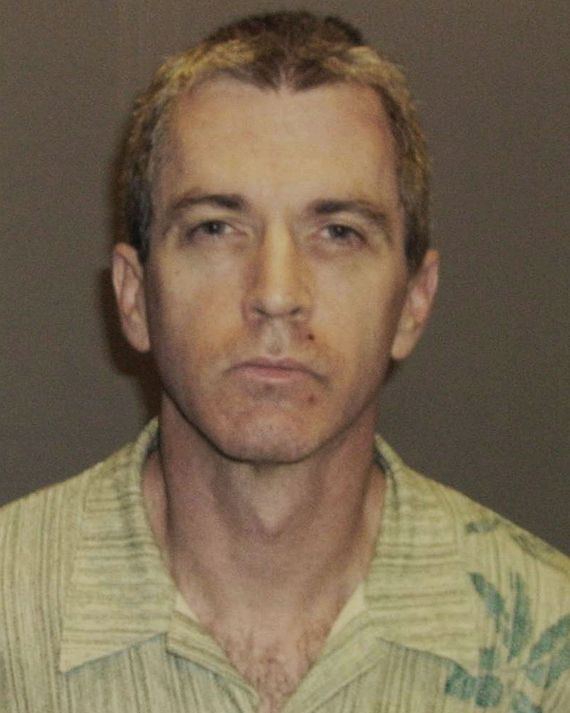
Charles Cullen
Healthcare Serial Killer
CLASSIFICATION: Serial Homicide
LOCATION
New Jersey, United States
TIME PERIOD
1988-2003
VICTIMS
40 confirmed
Charles Edmund Cullen, an American nurse, is a convicted serial killer responsible for the deaths of at least 29 confirmed patients, with estimates suggesting he may have murdered as many as 400 individuals during his 16-year career in New Jersey and Pennsylvania medical facilities. His crimes occurred between 1988 and 2003, culminating in his arrest on December 15, 2003. Cullen confessed to the murders, which involved administering lethal doses of medication to vulnerable patients. He is currently serving 18 consecutive life sentences without the possibility of parole, with ongoing investigations into the full extent of his crimes hindered by insufficient medical records. Significant evidence includes Cullen's own admissions and corroborating testimonies from former colleagues, which have raised concerns about systemic failures in hospital oversight during his tenure.
Charles Cullen is believed to have murdered as many as 400 patients during his nursing career, although only 29 confirmed murders exist due to a lack of medical records. Investigators and researchers speculate that the true number of victims may be significantly higher, as Cullen himself confessed to around 40 murders. There are concerns about systemic failures in the medical institutions where he worked that may have allowed him to continue his killing spree undetected for so long.
The Sinister Tale of Charles Cullen: A Nurse Turned Serial Killer
Early Life: The Formation of a Troubled Mind
On February 22, 1960, in the suburban town of West Orange, New Jersey, Charles Edmund Cullen entered the world. His early years were steeped in tragedy and turmoil. Just seven months after his birth, he lost his father, Edmond, a bus driver, to an untimely death on September 17, 1960. This loss marked the beginning of a childhood Cullen would later describe as "miserable," plagued by relentless bullying from classmates and his sisters' boyfriends. At the tender age of nine, Cullen made his first suicide attempt, ingesting chemicals from a chemistry set.
His mother, Florence Cullen, originally from England, had emigrated to the U.S. after World War II as a war bride. She became the central figure in his life, but her death in a car accident on December 6, 1977, when Cullen was just 18, left an indelible mark. The hospital's failure to promptly inform him of her death and the cremation of her body, rather than its return, devastated him.
In the aftermath, Cullen graduated from West Orange High School, joining the United States Navy in 1978. He served aboard the submarine USS Woodrow Wilson, rising to the rank of petty officer second class, despite being an outsider among his crew. One bizarre incident saw him at the missile controls dressed in surgical garb rather than his uniform. This behavior led to his reassignment to the USS Canopus, a supply ship. His mental health deteriorated, and following several suicide attempts and hospitalizations, Cullen received a medical discharge in 1984.
Undeterred, Cullen pursued a career in nursing, enrolling at Mountainside Hospital's nursing school in Montclair, New Jersey. He excelled academically, becoming class president and graduating in 1987. The same year, Cullen married Adrianne Baum, with whom he had two daughters. Yet, his peculiar and abusive behavior strained the marriage, leading to a divorce in 1993 after Baum filed a restraining order, fearing for her and their children's safety.
The Murders: A Trail of Death Across Hospitals
Cullen's dark path began at Saint Barnabas Medical Center in Livingston, New Jersey, where he worked in the burn unit. On June 11, 1988, he administered a lethal dose of intravenous medication to a patient, marking the beginning of his killing spree. He confessed to several other murders at Saint Barnabas, including that of an AIDS patient through an insulin overdose. Cullen left the hospital in January 1992 as investigations into contaminated IV bags implicated him in numerous patient deaths.
Subsequently, Cullen joined Warren Hospital in Phillipsburg, New Jersey, where he killed three elderly women using overdoses of digoxin. The final victim's dying words about a "sneaky male nurse" went unheeded by hospital staff and family alike.
Cullen's personal life was equally chaotic. Post-divorce, he moved to Phillipsburg and faced legal troubles after breaking into a coworker's home and stalking her. He was sentenced to probation after pleading guilty to trespassing, yet his mental health continued to spiral, resulting in multiple suicide attempts and psychiatric treatments.
From 1993 to 1996, Cullen worked at Hunterdon Medical Center in Flemington, New Jersey. Though he claimed no harm during his first two years there, the hospital records were destroyed, obscuring the truth. He confessed to five murders committed with digoxin overdoses in 1996 before his dismissal from Morristown Memorial Hospital for poor performance.
Despite his troubling history, Cullen found employment due to a national nursing shortage. He continued his deadly practices at Liberty Nursing and Rehabilitation Center in Allentown, Pennsylvania, causing a patient's death that went unpunished. At Easton Hospital, a patient's suspicious death was not definitively linked to him due to inconclusive investigations.
Cullen's employment at Lehigh Valley Hospital–Cedar Crest in Allentown was brief but deadly, with one murder and another attempted. He soon moved to St. Luke's Hospital in Bethlehem, Pennsylvania, where he killed five patients over three years. In 2000, a suicide attempt using carbon monoxide poisoning failed when neighbors intervened.
Suspicions arose at St. Luke's when medication vials were found improperly disposed of. Cullen was caught and offered a deal to resign with a neutral recommendation. Despite co-worker suspicions reported to authorities, investigations stalled due to insufficient evidence.
In September 2002, Cullen began working at Somerset Medical Center in Somerville, New Jersey. His behavior became increasingly erratic, leading to 13 murders by mid-2003 using digoxin, insulin, and epinephrine. Somerset finally noticed Cullen's misconduct when he accessed unauthorized patient records and medications. A warning from the New Jersey Poison Information and Education System in July 2003 went unheeded until October, when Cullen's last victim died from low blood sugar, prompting a state police investigation and his dismissal.
Arrest and Sentencing: Justice Served
On December 12, 2003, Charles Cullen's reign of terror ended with his arrest at a local restaurant. Charged with murder and attempted murder, Cullen confessed to killing Florian Gall and attempting to murder Jin Kyung Han, both patients at Somerset. In April 2004, he pleaded guilty to 13 murders and two attempted murders at Somerset, securing a plea deal that spared him the death penalty.
Cullen's chilling admissions continued, with additional guilty pleas in May and November 2004, accounting for more victims in New Jersey and Pennsylvania. His courtroom behavior was erratic, including taunting judges, resulting in him being gagged during proceedings.
On March 2, 2006, Judge Paul W. Armstrong sentenced Cullen to 18 consecutive life sentences, with no parole eligibility until June 10, 2403. He resides at New Jersey State Prison in Trenton. Additional life sentences were handed down in Pennsylvania, with Cullen continuously cooperating with authorities to identify further victims.
Motives: The Justification of a Killer
Cullen claimed his murders were acts of mercy, intending to spare patients from dehumanizing Code Blue emergencies. He suggested he acted to relieve suffering, though many victims were on the mend, contradicting his stated motives. Investigators posited that Cullen's actions caused suffering, undermining his narrative of compassion.
Sources
For further reading on Charles Cullen's case, consult the Wikipedia entry on Charles Cullen.
No Recent News
No recent news articles found for this case. Check back later for updates.
No Evidence Submitted
No evidence found for this case. Be the first to submit evidence in the comments below.
Join the discussion
Loading comments...
First Murder Committed
Charles Cullen administers a lethal overdose to a patient at Saint Barnabas Medical Center.
Left Saint Barnabas
Cullen leaves Saint Barnabas amid investigations into contaminated IV bags linked to patient deaths.
Attempted Murder
Cullen unsuccessfully attempts to murder patient Philip Gregor at Somerset Medical Center.
Fired from Somerset
Cullen is fired from Somerset Medical Center for lying on his job application.
Arrested
Cullen is arrested at a restaurant and charged with murder and attempted murder.
Pleads Guilty
Cullen pleads guilty to killing 13 patients and attempting to kill two others in New Jersey.
Additional Guilty Pleas
Cullen pleads guilty in Pennsylvania to killing six more patients and attempting to kill three others.
Sentenced
Cullen is sentenced to 18 consecutive life sentences in New Jersey, with no chance of parole.
Additional Sentencing
Cullen receives six more life sentences in Pennsylvania after a chaotic courtroom hearing.
Charles Edmund Cullen, an American nurse, is a convicted serial killer responsible for the deaths of at least 29 confirmed patients, with estimates suggesting he may have murdered as many as 400 individuals during his 16-year career in New Jersey and Pennsylvania medical facilities. His crimes occurred between 1988 and 2003, culminating in his arrest on December 15, 2003. Cullen confessed to the murders, which involved administering lethal doses of medication to vulnerable patients. He is currently serving 18 consecutive life sentences without the possibility of parole, with ongoing investigations into the full extent of his crimes hindered by insufficient medical records. Significant evidence includes Cullen's own admissions and corroborating testimonies from former colleagues, which have raised concerns about systemic failures in hospital oversight during his tenure.
Charles Cullen is believed to have murdered as many as 400 patients during his nursing career, although only 29 confirmed murders exist due to a lack of medical records. Investigators and researchers speculate that the true number of victims may be significantly higher, as Cullen himself confessed to around 40 murders. There are concerns about systemic failures in the medical institutions where he worked that may have allowed him to continue his killing spree undetected for so long.
The Sinister Tale of Charles Cullen: A Nurse Turned Serial Killer
Early Life: The Formation of a Troubled Mind
On February 22, 1960, in the suburban town of West Orange, New Jersey, Charles Edmund Cullen entered the world. His early years were steeped in tragedy and turmoil. Just seven months after his birth, he lost his father, Edmond, a bus driver, to an untimely death on September 17, 1960. This loss marked the beginning of a childhood Cullen would later describe as "miserable," plagued by relentless bullying from classmates and his sisters' boyfriends. At the tender age of nine, Cullen made his first suicide attempt, ingesting chemicals from a chemistry set.
His mother, Florence Cullen, originally from England, had emigrated to the U.S. after World War II as a war bride. She became the central figure in his life, but her death in a car accident on December 6, 1977, when Cullen was just 18, left an indelible mark. The hospital's failure to promptly inform him of her death and the cremation of her body, rather than its return, devastated him.
In the aftermath, Cullen graduated from West Orange High School, joining the United States Navy in 1978. He served aboard the submarine USS Woodrow Wilson, rising to the rank of petty officer second class, despite being an outsider among his crew. One bizarre incident saw him at the missile controls dressed in surgical garb rather than his uniform. This behavior led to his reassignment to the USS Canopus, a supply ship. His mental health deteriorated, and following several suicide attempts and hospitalizations, Cullen received a medical discharge in 1984.
Undeterred, Cullen pursued a career in nursing, enrolling at Mountainside Hospital's nursing school in Montclair, New Jersey. He excelled academically, becoming class president and graduating in 1987. The same year, Cullen married Adrianne Baum, with whom he had two daughters. Yet, his peculiar and abusive behavior strained the marriage, leading to a divorce in 1993 after Baum filed a restraining order, fearing for her and their children's safety.
The Murders: A Trail of Death Across Hospitals
Cullen's dark path began at Saint Barnabas Medical Center in Livingston, New Jersey, where he worked in the burn unit. On June 11, 1988, he administered a lethal dose of intravenous medication to a patient, marking the beginning of his killing spree. He confessed to several other murders at Saint Barnabas, including that of an AIDS patient through an insulin overdose. Cullen left the hospital in January 1992 as investigations into contaminated IV bags implicated him in numerous patient deaths.
Subsequently, Cullen joined Warren Hospital in Phillipsburg, New Jersey, where he killed three elderly women using overdoses of digoxin. The final victim's dying words about a "sneaky male nurse" went unheeded by hospital staff and family alike.
Cullen's personal life was equally chaotic. Post-divorce, he moved to Phillipsburg and faced legal troubles after breaking into a coworker's home and stalking her. He was sentenced to probation after pleading guilty to trespassing, yet his mental health continued to spiral, resulting in multiple suicide attempts and psychiatric treatments.
From 1993 to 1996, Cullen worked at Hunterdon Medical Center in Flemington, New Jersey. Though he claimed no harm during his first two years there, the hospital records were destroyed, obscuring the truth. He confessed to five murders committed with digoxin overdoses in 1996 before his dismissal from Morristown Memorial Hospital for poor performance.
Despite his troubling history, Cullen found employment due to a national nursing shortage. He continued his deadly practices at Liberty Nursing and Rehabilitation Center in Allentown, Pennsylvania, causing a patient's death that went unpunished. At Easton Hospital, a patient's suspicious death was not definitively linked to him due to inconclusive investigations.
Cullen's employment at Lehigh Valley Hospital–Cedar Crest in Allentown was brief but deadly, with one murder and another attempted. He soon moved to St. Luke's Hospital in Bethlehem, Pennsylvania, where he killed five patients over three years. In 2000, a suicide attempt using carbon monoxide poisoning failed when neighbors intervened.
Suspicions arose at St. Luke's when medication vials were found improperly disposed of. Cullen was caught and offered a deal to resign with a neutral recommendation. Despite co-worker suspicions reported to authorities, investigations stalled due to insufficient evidence.
In September 2002, Cullen began working at Somerset Medical Center in Somerville, New Jersey. His behavior became increasingly erratic, leading to 13 murders by mid-2003 using digoxin, insulin, and epinephrine. Somerset finally noticed Cullen's misconduct when he accessed unauthorized patient records and medications. A warning from the New Jersey Poison Information and Education System in July 2003 went unheeded until October, when Cullen's last victim died from low blood sugar, prompting a state police investigation and his dismissal.
Arrest and Sentencing: Justice Served
On December 12, 2003, Charles Cullen's reign of terror ended with his arrest at a local restaurant. Charged with murder and attempted murder, Cullen confessed to killing Florian Gall and attempting to murder Jin Kyung Han, both patients at Somerset. In April 2004, he pleaded guilty to 13 murders and two attempted murders at Somerset, securing a plea deal that spared him the death penalty.
Cullen's chilling admissions continued, with additional guilty pleas in May and November 2004, accounting for more victims in New Jersey and Pennsylvania. His courtroom behavior was erratic, including taunting judges, resulting in him being gagged during proceedings.
On March 2, 2006, Judge Paul W. Armstrong sentenced Cullen to 18 consecutive life sentences, with no parole eligibility until June 10, 2403. He resides at New Jersey State Prison in Trenton. Additional life sentences were handed down in Pennsylvania, with Cullen continuously cooperating with authorities to identify further victims.
Motives: The Justification of a Killer
Cullen claimed his murders were acts of mercy, intending to spare patients from dehumanizing Code Blue emergencies. He suggested he acted to relieve suffering, though many victims were on the mend, contradicting his stated motives. Investigators posited that Cullen's actions caused suffering, undermining his narrative of compassion.
Sources
For further reading on Charles Cullen's case, consult the Wikipedia entry on Charles Cullen.
No Recent News
No recent news articles found for this case. Check back later for updates.
No Evidence Submitted
No evidence found for this case. Be the first to submit evidence in the comments below.
Join the discussion
Loading comments...
First Murder Committed
Charles Cullen administers a lethal overdose to a patient at Saint Barnabas Medical Center.
Left Saint Barnabas
Cullen leaves Saint Barnabas amid investigations into contaminated IV bags linked to patient deaths.
Attempted Murder
Cullen unsuccessfully attempts to murder patient Philip Gregor at Somerset Medical Center.
Fired from Somerset
Cullen is fired from Somerset Medical Center for lying on his job application.
Arrested
Cullen is arrested at a restaurant and charged with murder and attempted murder.
Pleads Guilty
Cullen pleads guilty to killing 13 patients and attempting to kill two others in New Jersey.
Additional Guilty Pleas
Cullen pleads guilty in Pennsylvania to killing six more patients and attempting to kill three others.
Sentenced
Cullen is sentenced to 18 consecutive life sentences in New Jersey, with no chance of parole.
Additional Sentencing
Cullen receives six more life sentences in Pennsylvania after a chaotic courtroom hearing.