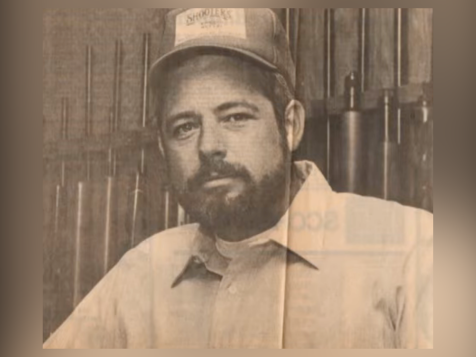
Charles T. Sinclair
Coin Shop Murder Spree
CLASSIFICATION: Serial Homicide
LOCATION
Anchorage, Alaska
TIME PERIOD
1980-1990
VICTIMS
13 confirmed
Charles T. Sinclair, known as the Coin Shop Killer, was an American criminal linked to the murders of at least eleven coin shop owners across the western United States and Canada from 1980 until his apprehension on August 13, 1990. Sinclair, born on November 24, 1946, in Jal, New Mexico, targeted these shop owners to rob them of valuable coin collections, often establishing a rapport with them before committing the crimes. His modus operandi involved returning to the shops multiple times, ultimately executing the owners with a small-caliber weapon, typically a .22 caliber handgun, to eliminate witnesses. The most notable incident occurred on July 31, 1990, when he murdered Charles Sparboe and his assistant Catharine Newstrom in Billings, Montana, stealing $54,000 worth of coins and gold. Sinclair died in custody on October 30, 1990, while awaiting trial, leaving behind a legacy of violence and unsolved cases, as he is suspected of up to thirteen murders in total.
Charles T. Sinclair is believed to have targeted coin shop owners specifically for their valuable collections, killing them to eliminate witnesses. Some speculate that his criminal behavior escalated after the loss of his own coin shop, suggesting a possible motive rooted in financial desperation and a need for control. Investigators theorize that Sinclair's nomadic lifestyle allowed him to evade capture while committing murders across multiple states and even into Canada.
The Sinister Trail of Charles T. Sinclair: The Coin Shop Killer
In the shadowy world of coin collecting, where the glint of precious metals often hides a darker undercurrent, Charles Thurman Sinclair earned a chilling nickname: the Coin Shop Killer. Born on November 24, 1946, in Jal, New Mexico, Sinclair's life took a sinister turn as he became a suspect in numerous murders across the western United States and Canada during the 1980s and 1990s. His alleged victims, mostly coin shop owners, were brutally slain, leaving a trail of mystery and fear.
Early Life and Unfortunate Beginnings
Charles Sinclair's upbringing in Jal, New Mexico, was marked by hardship. As the youngest of four children in a working-class family, he faced the loss of his father at an early age. His mother, resilient and determined, supported the family by running a coin laundry and taking in ironing. This modest upbringing perhaps laid the groundwork for Sinclair's later ventures into the world of coins.
In the 1970s, Sinclair opened a coin shop in Hobbs, New Mexico, using his own coin collection as a foundation. The business expanded to include firearms, but disaster struck in 1985 when a fire razed his shop to the ground. Though arson was suspected, no charges were filed. With his livelihood destroyed, Sinclair was unable to meet his financial obligations, prompting him and his family to leave Hobbs under the shadow of debt.
The Murders Begin
Sinclair's modus operandi was as cold and calculating as it was effective. He ingratiated himself with coin shop owners by posing as a trustworthy customer, gaining their confidence through frequent visits and feigned interest in their collections. This apparent familiarity allowed him to learn the intricacies of their businesses unnoticed. Then, when the time was right, he would strike, arriving close to closing time armed with a small-caliber weapon. His method was brutal yet efficient: a single shot to the head, leaving no witnesses to his crimes.
On July 31, 1990, in Billings, Montana, Charles Sparboe and his assistant Catharine Newstrom became Sinclair's victims. The coin shop, a fixture for a decade, was robbed of $54,000 in coins and gold. Sinclair had carefully cultivated his image as a local farmer, but Jim Sparboe, Charles's son, grew suspicious of the frequent visits and the man's unusual demeanor. Unfortunately, his suspicions came too late, and he returned to the shop to find his father and Newstrom dead. Jim's detailed account provided crucial information for the suspect's composite drawing.
An Attempted Murder
In another chilling encounter, Sinclair, posing as "Jim Stockton," targeted Legacy Rare Coins in Murray, Utah. On May 4, 1990, after days of pretending to be a polite Texan investor, Sinclair waited until owner Kelly Finnegan was alone. As Finnegan closed the shop, Sinclair shot him in the forehead. Miraculously, Finnegan survived, maintaining consciousness and pretending to be dead as Sinclair stole approximately $60,000 worth of merchandise. Among the stolen items were an antique pocket watch and a Rolex, the latter later found on Sinclair's son.
A Non-Coin Shop Case
Sinclair's deadly reach extended beyond coin shops. In 1986, Robert and Dagmar Linton, a couple from Lodi, California, vanished during a trip to Vancouver. Their abandoned trailer, discovered at a Washington State campground, revealed signs of a struggle, and their pickup, left at the Seattle Tacoma Airport, contained traces of blood. The Lintons were presumed murdered, though their bodies were never found.
Investigator Pete Piccini traced their stolen credit cards through several states, leading to sightings of a large, bearded man with a bandaged hand using the cards. This trail eventually guided police to Sinclair, who bore the same scars as the man in question. A clarinet purchased with the Lintons' credit card was found among Sinclair's possessions, linking him further to the crime.
The Web of Linked Crimes
The list of Sinclair's suspected victims includes David Sutton of Everett, Washington, killed on January 27, 1980, with $80,000 in silver dollars stolen. Thomas Rohr of Mishawaka, Indiana, met a similar fate on August 28, 1985. Reuben Lee Williams, also known as Ruben Lucky Williams, was killed in Vacaville, California, on November 1, 1986. Leo Cashatt in Spokane, Washington, was murdered on July 14, 1987, and LeRoy Hoffman in Kansas City, Missouri, on March 12, 1988. Each victim was a coin or antique dealer, shot in the head, and robbed of their valuable collections.
Sinclair was also suspected in the 1989 rape and murder of Amanda Stavik, but DNA evidence later led to the conviction of Timothy Bass in 2019, clearing Sinclair of this crime.
Sinclair's Arrest and Mysterious Death
On August 16, 1990, Sinclair's reign of terror ended when he was arrested near his home in Kenny Lake, Alaska. Investigators, following the trail of his crimes, found a storage shed filled with incriminating evidence: maps, instruments for creating false identities, explosives, and valuable coins. The scars on Sinclair's hand matched those seen on the man using the Lintons' credit cards, strengthening the case against him.
Sinclair was held on a $500,000 bond in Palmer, Alaska, while Montana authorities sought his extradition to face charges for the murders of Sparboe and Newstrom. Utah authorities added charges for the attempted murder and robbery of Kelly Finnegan.
However, justice would never be served. On October 30, 1990, Sinclair died of heart failure in an Anchorage jail cell. His death left many questions unanswered and cases unresolved, with crucial insights buried alongside him.
Sources
For more detailed information, you can access the original Wikipedia article here.
No Recent News
No recent news articles found for this case. Check back later for updates.
No Evidence Submitted
No evidence found for this case. Be the first to submit evidence in the comments below.
Join the discussion
Loading comments...
First Known Murder
David Sutton found dead in his antique store, shot in the head.
Murder of Thomas Rohr
Thomas Rohr killed during a robbery at the coin shop he managed.
Murder of Reuben Williams
Reuben Williams shot and killed in his coin shop during a robbery.
Linton Memorial Held
Memorial service for Robert and Dagmar Linton, presumed murdered.
Attempted Murder of Kelly Finnegan
Kelly Finnegan shot in the head but survives during a robbery.
Sparboe Murders
Charles Sparboe and Catharine Newstrom killed in a coin shop robbery.
Sinclair Arrested
Charles T. Sinclair arrested in Alaska, linked to multiple murders.
Sinclair's Death
Charles T. Sinclair dies of heart failure in jail.
Charles T. Sinclair, known as the Coin Shop Killer, was an American criminal linked to the murders of at least eleven coin shop owners across the western United States and Canada from 1980 until his apprehension on August 13, 1990. Sinclair, born on November 24, 1946, in Jal, New Mexico, targeted these shop owners to rob them of valuable coin collections, often establishing a rapport with them before committing the crimes. His modus operandi involved returning to the shops multiple times, ultimately executing the owners with a small-caliber weapon, typically a .22 caliber handgun, to eliminate witnesses. The most notable incident occurred on July 31, 1990, when he murdered Charles Sparboe and his assistant Catharine Newstrom in Billings, Montana, stealing $54,000 worth of coins and gold. Sinclair died in custody on October 30, 1990, while awaiting trial, leaving behind a legacy of violence and unsolved cases, as he is suspected of up to thirteen murders in total.
Charles T. Sinclair is believed to have targeted coin shop owners specifically for their valuable collections, killing them to eliminate witnesses. Some speculate that his criminal behavior escalated after the loss of his own coin shop, suggesting a possible motive rooted in financial desperation and a need for control. Investigators theorize that Sinclair's nomadic lifestyle allowed him to evade capture while committing murders across multiple states and even into Canada.
The Sinister Trail of Charles T. Sinclair: The Coin Shop Killer
In the shadowy world of coin collecting, where the glint of precious metals often hides a darker undercurrent, Charles Thurman Sinclair earned a chilling nickname: the Coin Shop Killer. Born on November 24, 1946, in Jal, New Mexico, Sinclair's life took a sinister turn as he became a suspect in numerous murders across the western United States and Canada during the 1980s and 1990s. His alleged victims, mostly coin shop owners, were brutally slain, leaving a trail of mystery and fear.
Early Life and Unfortunate Beginnings
Charles Sinclair's upbringing in Jal, New Mexico, was marked by hardship. As the youngest of four children in a working-class family, he faced the loss of his father at an early age. His mother, resilient and determined, supported the family by running a coin laundry and taking in ironing. This modest upbringing perhaps laid the groundwork for Sinclair's later ventures into the world of coins.
In the 1970s, Sinclair opened a coin shop in Hobbs, New Mexico, using his own coin collection as a foundation. The business expanded to include firearms, but disaster struck in 1985 when a fire razed his shop to the ground. Though arson was suspected, no charges were filed. With his livelihood destroyed, Sinclair was unable to meet his financial obligations, prompting him and his family to leave Hobbs under the shadow of debt.
The Murders Begin
Sinclair's modus operandi was as cold and calculating as it was effective. He ingratiated himself with coin shop owners by posing as a trustworthy customer, gaining their confidence through frequent visits and feigned interest in their collections. This apparent familiarity allowed him to learn the intricacies of their businesses unnoticed. Then, when the time was right, he would strike, arriving close to closing time armed with a small-caliber weapon. His method was brutal yet efficient: a single shot to the head, leaving no witnesses to his crimes.
On July 31, 1990, in Billings, Montana, Charles Sparboe and his assistant Catharine Newstrom became Sinclair's victims. The coin shop, a fixture for a decade, was robbed of $54,000 in coins and gold. Sinclair had carefully cultivated his image as a local farmer, but Jim Sparboe, Charles's son, grew suspicious of the frequent visits and the man's unusual demeanor. Unfortunately, his suspicions came too late, and he returned to the shop to find his father and Newstrom dead. Jim's detailed account provided crucial information for the suspect's composite drawing.
An Attempted Murder
In another chilling encounter, Sinclair, posing as "Jim Stockton," targeted Legacy Rare Coins in Murray, Utah. On May 4, 1990, after days of pretending to be a polite Texan investor, Sinclair waited until owner Kelly Finnegan was alone. As Finnegan closed the shop, Sinclair shot him in the forehead. Miraculously, Finnegan survived, maintaining consciousness and pretending to be dead as Sinclair stole approximately $60,000 worth of merchandise. Among the stolen items were an antique pocket watch and a Rolex, the latter later found on Sinclair's son.
A Non-Coin Shop Case
Sinclair's deadly reach extended beyond coin shops. In 1986, Robert and Dagmar Linton, a couple from Lodi, California, vanished during a trip to Vancouver. Their abandoned trailer, discovered at a Washington State campground, revealed signs of a struggle, and their pickup, left at the Seattle Tacoma Airport, contained traces of blood. The Lintons were presumed murdered, though their bodies were never found.
Investigator Pete Piccini traced their stolen credit cards through several states, leading to sightings of a large, bearded man with a bandaged hand using the cards. This trail eventually guided police to Sinclair, who bore the same scars as the man in question. A clarinet purchased with the Lintons' credit card was found among Sinclair's possessions, linking him further to the crime.
The Web of Linked Crimes
The list of Sinclair's suspected victims includes David Sutton of Everett, Washington, killed on January 27, 1980, with $80,000 in silver dollars stolen. Thomas Rohr of Mishawaka, Indiana, met a similar fate on August 28, 1985. Reuben Lee Williams, also known as Ruben Lucky Williams, was killed in Vacaville, California, on November 1, 1986. Leo Cashatt in Spokane, Washington, was murdered on July 14, 1987, and LeRoy Hoffman in Kansas City, Missouri, on March 12, 1988. Each victim was a coin or antique dealer, shot in the head, and robbed of their valuable collections.
Sinclair was also suspected in the 1989 rape and murder of Amanda Stavik, but DNA evidence later led to the conviction of Timothy Bass in 2019, clearing Sinclair of this crime.
Sinclair's Arrest and Mysterious Death
On August 16, 1990, Sinclair's reign of terror ended when he was arrested near his home in Kenny Lake, Alaska. Investigators, following the trail of his crimes, found a storage shed filled with incriminating evidence: maps, instruments for creating false identities, explosives, and valuable coins. The scars on Sinclair's hand matched those seen on the man using the Lintons' credit cards, strengthening the case against him.
Sinclair was held on a $500,000 bond in Palmer, Alaska, while Montana authorities sought his extradition to face charges for the murders of Sparboe and Newstrom. Utah authorities added charges for the attempted murder and robbery of Kelly Finnegan.
However, justice would never be served. On October 30, 1990, Sinclair died of heart failure in an Anchorage jail cell. His death left many questions unanswered and cases unresolved, with crucial insights buried alongside him.
Sources
For more detailed information, you can access the original Wikipedia article here.
No Recent News
No recent news articles found for this case. Check back later for updates.
No Evidence Submitted
No evidence found for this case. Be the first to submit evidence in the comments below.
Join the discussion
Loading comments...
First Known Murder
David Sutton found dead in his antique store, shot in the head.
Murder of Thomas Rohr
Thomas Rohr killed during a robbery at the coin shop he managed.
Murder of Reuben Williams
Reuben Williams shot and killed in his coin shop during a robbery.
Linton Memorial Held
Memorial service for Robert and Dagmar Linton, presumed murdered.
Attempted Murder of Kelly Finnegan
Kelly Finnegan shot in the head but survives during a robbery.
Sparboe Murders
Charles Sparboe and Catharine Newstrom killed in a coin shop robbery.
Sinclair Arrested
Charles T. Sinclair arrested in Alaska, linked to multiple murders.
Sinclair's Death
Charles T. Sinclair dies of heart failure in jail.