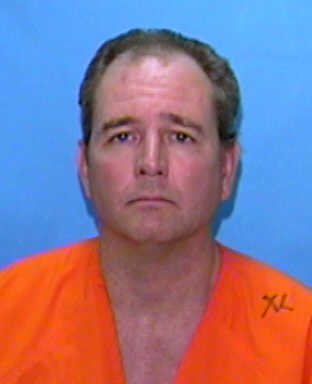
Danny Rolling
Gainesville Ripper Serial Killer
CLASSIFICATION: Serial Homicide
LOCATION
Gainesville, Florida
TIME PERIOD
August 1990
VICTIMS
5 confirmed
The Gainesville murders, committed by Daniel "Danny" Rolling in August 1990, resulted in the brutal deaths of five college students over a four-day period, instilling fear in the community. Rolling's methodical approach included breaking into apartments, binding his victims, and subjecting them to horrific violence, including rape and post-mortem mutilation. The investigation revealed a pattern of escalating violence and a disturbing psychological profile, leading to his eventual capture and conviction. This case highlights the importance of community vigilance and the need for law enforcement to collaborate effectively in tracking serial offenders.
Danny Rolling's childhood abuse and tumultuous family life are believed to have contributed to his violent behavior, with some theorizing that his experiences of trauma and neglect led to his eventual transformation into a serial killer. Additionally, there is speculation that Rolling's choice of victims—college students—was influenced by his desire to assert power and control over those he perceived as vulnerable. Some believe that his killings were also motivated by a hedonistic thrill, as he took pleasure in the violence and fear he inflicted.
The Tale of Danny Rolling: The Gainesville Ripper
The Beginning
In the serene town of Shreveport, Louisiana, on May 26, 1954, Daniel "Danny" Harold Rolling was born into a world that would soon turn tumultuous. Raised by his parents, James Harold Rolling, a Korean War veteran and police officer, and Claudia Beatrice, Danny's childhood was marred by relentless abuse. His father’s explosive temper meant that even the simplest of things, like breathing, could provoke punishment. In one harrowing incident, his mother was hospitalized after James allegedly forced her to harm herself with a razor blade. Despite repeated attempts to escape, Claudia always returned to her husband.
Danny's youth was a catalog of trauma. His father once pinned him down and had him handcuffed by police due to embarrassment. In another heart-wrenching memory, his pet dog succumbed to the brutality of James, dying in Danny’s arms. As the years passed, Danny found himself on the wrong side of the law, with arrests for robberies in Georgia and Alabama and a peeping incident. Despite attempts at normalcy, such as working as a waiter at Pancho's restaurant in Bossier City, Louisiana, his life spiraled into a chilling infamy.
The Gainesville Murders
The sweltering summer of 1990 would forever scar Gainesville, Florida. Over four days in August, Danny Rolling embarked on a gruesome murder spree, claiming the lives of five college students. The horror began on August 24, when he broke into the apartment of two freshmen, 18-year-old Sonja Larson and 17-year-old Christina Powell. He found Powell asleep on a couch but moved upstairs to where Larson was. There, he silenced her screams with duct tape before stabbing her with a Ka-Bar knife as she fought for her life.
Returning downstairs, Rolling taped Powell’s mouth shut, bound her wrists, and terrorized her with the knife. Stripping her of her clothes, he raped and then murdered her by stabbing her five times in the back. His depravity knew no bounds; he violated Larson's corpse before posing both bodies in sexually provocative positions and showering before leaving the scene.
The very next day, Rolling struck again. He entered Christa Hoyt's apartment, an 18-year-old chemistry honors student, by prying open a door. Finding her absent, he waited. When Hoyt returned around 10:30 p.m., after playing racquetball, he subdued her with a chokehold, bound her with duct tape, and raped her. He then delivered fatal stab wounds to her back, severing her aorta. In a final act of grotesque theatrics, he returned to the scene to decapitate Hoyt, placing her head on a shelf facing her posed body.
The city of Gainesville was gripped with fear. Students altered their routines, some even withdrawing from classes. On August 27, the horror continued with the murder of roommates Tracy Paules and Manny Taboada, both 23. Rolling broke into their apartment, killing Taboada after a struggle, and then raped and murdered Paules. Her body was posed, unlike Taboada’s, who remained where he fell.
The Investigation Unfolds
Initially, law enforcement was at a loss. The victims, save for Taboada, shared striking similarities—petite brunettes with brown eyes, echoing Rolling’s own mother. The investigation initially focused on Edward Lewis Humphrey, a University of Florida student with a tumultuous past. His photograph was splashed across media outlets, but a grand jury found insufficient evidence to indict him. Once cleared, Humphrey moved on with his life, eventually graduating magna cum laude from the University of Central Florida.
A breakthrough came when Louisiana police connected Florida authorities with unsolved murders in Shreveport from November 4, 1989. The Grissom family had been brutally murdered, and Julie Grissom's body was mutilated and posed. Similarities between these murders and those in Gainesville caught the attention of investigator Don Maines. Both crime scenes involved posed victims, tape residue, and type B blood.
A crucial tip came from Cindy Juracich, who recalled disturbing conversations with Danny Rolling. He had made ominous statements about his violent fantasies, and she couldn’t shake the feeling that he was responsible for the Shreveport murders. Her call to Crime Stoppers in November 1990 set the wheels of justice in motion.
Arrest and Confession
Rolling's capture came by chance when he was arrested for a robbery in Ocala, Florida, just ten days after the last Gainesville bodies were found. Under scrutiny, his type B blood linked him to the murders in both Gainesville and Shreveport. Evidence from his campsite, including audio diaries alluding to the crimes, strengthened the case against him.
In November 1991, Rolling faced charges for the five Gainesville murders. He claimed his heinous acts were inspired by a desire to emulate serial killer Ted Bundy. In 1994, he pleaded guilty unexpectedly, leading to a swift sentencing. Psychologists diagnosed him with antisocial personality disorder, borderline personality disorder, and paraphilia. On April 20, 1994, Danny Rolling was sentenced to death.
Final Justice and Legacy
Danny Rolling met his end on October 25, 2006, executed by lethal injection at Florida State Prison. In his final moments, he confessed to the Shreveport murders, offering a handwritten apology before his execution. Witnessed by victims’ families, he sang a gospel hymn but made no final statement.
Rolling's crimes left an indelible mark, inspiring the "Scream" film franchise and several media portrayals. His relationship with Sondra London, developed while incarcerated, was explored in documentaries and books, painting a complex picture of the man behind the murders.
The Gainesville Ripper's story continues to haunt and fascinate, a chilling reminder of the darkness that can lurk behind a seemingly ordinary life.
Sources
For more details, please refer to the Wikipedia article on Danny Rolling.
No Recent News
No recent news articles found for this case. Check back later for updates.
No Evidence Submitted
No evidence found for this case. Be the first to submit evidence in the comments below.
Join the discussion
Loading comments...
First Murders
Danny Rolling murders Sonja Larson and Christina Powell in Gainesville, Florida.
Third Murder
Rolling kills Christa Hoyt in her apartment, decapitating her afterwards.
Fourth and Fifth Murders
Rolling murders Tracy Paules and Manny Taboada in their apartment.
Arrest
Danny Rolling is arrested for a supermarket robbery in Ocala, Florida.
Charges Filed
Rolling is charged with five counts of murder for the Gainesville killings.
Sentencing
Danny Rolling is sentenced to death for the Gainesville murders.
Execution
Danny Rolling is executed by lethal injection in Florida State Prison.
The Gainesville murders, committed by Daniel "Danny" Rolling in August 1990, resulted in the brutal deaths of five college students over a four-day period, instilling fear in the community. Rolling's methodical approach included breaking into apartments, binding his victims, and subjecting them to horrific violence, including rape and post-mortem mutilation. The investigation revealed a pattern of escalating violence and a disturbing psychological profile, leading to his eventual capture and conviction. This case highlights the importance of community vigilance and the need for law enforcement to collaborate effectively in tracking serial offenders.
Danny Rolling's childhood abuse and tumultuous family life are believed to have contributed to his violent behavior, with some theorizing that his experiences of trauma and neglect led to his eventual transformation into a serial killer. Additionally, there is speculation that Rolling's choice of victims—college students—was influenced by his desire to assert power and control over those he perceived as vulnerable. Some believe that his killings were also motivated by a hedonistic thrill, as he took pleasure in the violence and fear he inflicted.
The Tale of Danny Rolling: The Gainesville Ripper
The Beginning
In the serene town of Shreveport, Louisiana, on May 26, 1954, Daniel "Danny" Harold Rolling was born into a world that would soon turn tumultuous. Raised by his parents, James Harold Rolling, a Korean War veteran and police officer, and Claudia Beatrice, Danny's childhood was marred by relentless abuse. His father’s explosive temper meant that even the simplest of things, like breathing, could provoke punishment. In one harrowing incident, his mother was hospitalized after James allegedly forced her to harm herself with a razor blade. Despite repeated attempts to escape, Claudia always returned to her husband.
Danny's youth was a catalog of trauma. His father once pinned him down and had him handcuffed by police due to embarrassment. In another heart-wrenching memory, his pet dog succumbed to the brutality of James, dying in Danny’s arms. As the years passed, Danny found himself on the wrong side of the law, with arrests for robberies in Georgia and Alabama and a peeping incident. Despite attempts at normalcy, such as working as a waiter at Pancho's restaurant in Bossier City, Louisiana, his life spiraled into a chilling infamy.
The Gainesville Murders
The sweltering summer of 1990 would forever scar Gainesville, Florida. Over four days in August, Danny Rolling embarked on a gruesome murder spree, claiming the lives of five college students. The horror began on August 24, when he broke into the apartment of two freshmen, 18-year-old Sonja Larson and 17-year-old Christina Powell. He found Powell asleep on a couch but moved upstairs to where Larson was. There, he silenced her screams with duct tape before stabbing her with a Ka-Bar knife as she fought for her life.
Returning downstairs, Rolling taped Powell’s mouth shut, bound her wrists, and terrorized her with the knife. Stripping her of her clothes, he raped and then murdered her by stabbing her five times in the back. His depravity knew no bounds; he violated Larson's corpse before posing both bodies in sexually provocative positions and showering before leaving the scene.
The very next day, Rolling struck again. He entered Christa Hoyt's apartment, an 18-year-old chemistry honors student, by prying open a door. Finding her absent, he waited. When Hoyt returned around 10:30 p.m., after playing racquetball, he subdued her with a chokehold, bound her with duct tape, and raped her. He then delivered fatal stab wounds to her back, severing her aorta. In a final act of grotesque theatrics, he returned to the scene to decapitate Hoyt, placing her head on a shelf facing her posed body.
The city of Gainesville was gripped with fear. Students altered their routines, some even withdrawing from classes. On August 27, the horror continued with the murder of roommates Tracy Paules and Manny Taboada, both 23. Rolling broke into their apartment, killing Taboada after a struggle, and then raped and murdered Paules. Her body was posed, unlike Taboada’s, who remained where he fell.
The Investigation Unfolds
Initially, law enforcement was at a loss. The victims, save for Taboada, shared striking similarities—petite brunettes with brown eyes, echoing Rolling’s own mother. The investigation initially focused on Edward Lewis Humphrey, a University of Florida student with a tumultuous past. His photograph was splashed across media outlets, but a grand jury found insufficient evidence to indict him. Once cleared, Humphrey moved on with his life, eventually graduating magna cum laude from the University of Central Florida.
A breakthrough came when Louisiana police connected Florida authorities with unsolved murders in Shreveport from November 4, 1989. The Grissom family had been brutally murdered, and Julie Grissom's body was mutilated and posed. Similarities between these murders and those in Gainesville caught the attention of investigator Don Maines. Both crime scenes involved posed victims, tape residue, and type B blood.
A crucial tip came from Cindy Juracich, who recalled disturbing conversations with Danny Rolling. He had made ominous statements about his violent fantasies, and she couldn’t shake the feeling that he was responsible for the Shreveport murders. Her call to Crime Stoppers in November 1990 set the wheels of justice in motion.
Arrest and Confession
Rolling's capture came by chance when he was arrested for a robbery in Ocala, Florida, just ten days after the last Gainesville bodies were found. Under scrutiny, his type B blood linked him to the murders in both Gainesville and Shreveport. Evidence from his campsite, including audio diaries alluding to the crimes, strengthened the case against him.
In November 1991, Rolling faced charges for the five Gainesville murders. He claimed his heinous acts were inspired by a desire to emulate serial killer Ted Bundy. In 1994, he pleaded guilty unexpectedly, leading to a swift sentencing. Psychologists diagnosed him with antisocial personality disorder, borderline personality disorder, and paraphilia. On April 20, 1994, Danny Rolling was sentenced to death.
Final Justice and Legacy
Danny Rolling met his end on October 25, 2006, executed by lethal injection at Florida State Prison. In his final moments, he confessed to the Shreveport murders, offering a handwritten apology before his execution. Witnessed by victims’ families, he sang a gospel hymn but made no final statement.
Rolling's crimes left an indelible mark, inspiring the "Scream" film franchise and several media portrayals. His relationship with Sondra London, developed while incarcerated, was explored in documentaries and books, painting a complex picture of the man behind the murders.
The Gainesville Ripper's story continues to haunt and fascinate, a chilling reminder of the darkness that can lurk behind a seemingly ordinary life.
Sources
For more details, please refer to the Wikipedia article on Danny Rolling.
No Recent News
No recent news articles found for this case. Check back later for updates.
No Evidence Submitted
No evidence found for this case. Be the first to submit evidence in the comments below.
Join the discussion
Loading comments...
First Murders
Danny Rolling murders Sonja Larson and Christina Powell in Gainesville, Florida.
Third Murder
Rolling kills Christa Hoyt in her apartment, decapitating her afterwards.
Fourth and Fifth Murders
Rolling murders Tracy Paules and Manny Taboada in their apartment.
Arrest
Danny Rolling is arrested for a supermarket robbery in Ocala, Florida.
Charges Filed
Rolling is charged with five counts of murder for the Gainesville killings.
Sentencing
Danny Rolling is sentenced to death for the Gainesville murders.
Execution
Danny Rolling is executed by lethal injection in Florida State Prison.