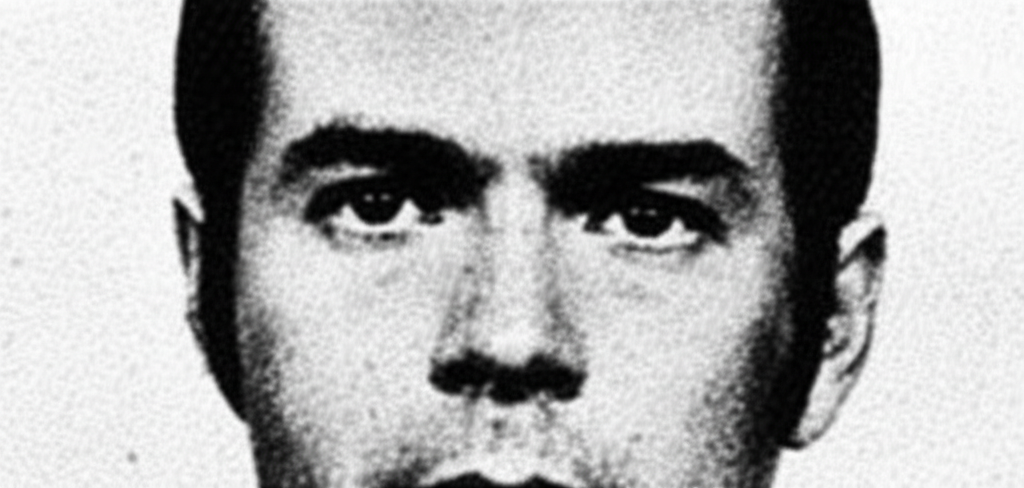
Earl Gardner (Murderer)
Native American Serial Killer
CLASSIFICATION: Serial Homicide
LOCATION
San Carlos Apache Indian Reservation, Arizona
TIME PERIOD
1925-1935
VICTIMS
3 confirmed
Earl Gardner, a Native American serial killer, committed a series of murders on the San Carlos Apache Indian Reservation in Arizona between 1925 and 1935, culminating in the brutal killing of his wife, Nancy, and their 27-day-old son, Edward, on December 8, 1935, using an axe. Gardner, who had a prior conviction for second-degree murder in 1925, was arrested shortly after the incident when he confessed to the crime, stating that he was driven by a desire to avoid taking care of the child while his wife attended church. He was charged with two counts of first-degree murder and sentenced to death, ultimately being executed by hanging on July 13, 1936. The execution was notably botched, taking over 30 minutes for Gardner to die, and he became the last person executed by hanging in Arizona before a change in federal execution methods was enacted.
Earl Gardner is believed to have been driven by deep-seated anger and resentment, stemming from his experiences of bullying and social isolation, which may have contributed to his violent behavior. Some speculate that his history of domestic abuse and the psychological impact of his imprisonment played significant roles in his decision to murder his wife and child. Additionally, the botched execution has led to ongoing discussions about the methods of capital punishment and their implications for justice.
The Tragic Tale of Earl Gardner: A Descent into Darkness
Early Life and First Murder
Earl Gardner was born on August 2, 1906, on the San Carlos Apache Indian Reservation in Arizona. His early years were marked by hardship and a fierce temper, traits that would later define his troubled life. Short in stature, Gardner was often bullied, which instilled in him a simmering rage that earned him the nickname "mad dog" among his peers.
In 1925, this rage erupted into violence. During a drinking party on the reservation, Gardner stabbed Francis Knight to death in what he later described as a "drunken frenzy." Due to the federal jurisdiction over crimes committed on Native reservations, Gardner was tried in a federal court. Convicted of second-degree murder, he was sentenced to 13 years in prison. Gardner's incarceration journey began at the Federal Correctional Institution in Anthony, Texas, before transferring to the United States Penitentiary near Fort Leavenworth, Kansas. After serving seven years, he was paroled in 1932.
A Return to Violence
Upon his release, Gardner returned to the reservation, where he married a young girl named Nancy. However, the domestic bliss was short-lived, as Gardner's violent tendencies reemerged. His wife endured continuous physical abuse throughout their marriage. The couple had a son, Edward, who was only 27 days old when he met a tragic end.
On December 8, 1935, a gruesome chapter in Gardner's life unfolded. An argument with his wife over attending church spiraled into a brutal act of violence. In a fit of rage, Gardner wielded an axe, murdering Nancy and their infant son. After committing these heinous acts, he turned himself in, confessing to arresting officer Salvador Grant that he was not drunk but "just crazy" when he took the lives of his family.
Trial and Execution
Gardner faced two counts of first-degree murder. In December 1935, he attempted to plead guilty, urging the government to "take a good rope and get it over with" and expressing a preference to "die like an Apache" rather than in prison. Despite his confession, Judge Albert Sames refused to accept the plea, leading to a trial.
The trial began on January 20, 1936. Gardner, steadfast in his desire for execution, took the stand, confessed, and requested a death sentence. The jury's decision was not unanimous, with ten jurors favoring a guilty verdict without mercy and two recommending mercy. This led to a new hearing. On February 6, 1936, after a brief 30-minute deliberation, Gardner was found guilty and sentenced to death by hanging.
In defiance of Gardner's wishes, his attorney appealed the death sentence. However, under federal law, the execution had to be conducted by hanging on federal territory. To comply, authorities constructed a makeshift gallows near the Coolidge Dam, within the San Carlos Reservation, using remnants from the dam's construction. Rumors of a potential Native American uprising prompted a force of armed men to guard the gallows.
While awaiting his execution, Gardner shared his cell at the Gila County Jail with Ambrose Yesterday, a fellow death row inmate whose sentence was later reduced to 40 years for second-degree murder. Gardner's last meal consisted of ribeye steak, fried potatoes, and watermelon. On the night before his execution, he spent his final hours in a car near the gallows.
At 5:00 AM on July 13, 1936, Gardner arrived at the gallows. When asked for a final statement, he responded with resignation: "I guess I was nervous. Maybe scared. It won't do me any good to be scared now. It's over, I'm glad it's over. That's all."
The execution was tragically botched. At 5:06 AM, when the trapdoor was sprung, the rope slipped to the front of Gardner's neck, causing him to hit the side as he dropped. His neck did not break, and he gasped for air for 33 agonizing minutes. Ultimately, the sheriff intervened by stepping through the trapdoor to hasten Gardner's death. Gardner was pronounced dead at 5:33 AM, and his body was removed by a black hearse.
The aftermath of this bungled execution reached the halls of Congress, prompting a change in federal execution methods. A new law was enacted, stipulating that federal executions would align with the methods used in the states where they occurred, making Earl Gardner the last person executed by hanging in Arizona.
Sources
- Lofquist, Bill (March 5, 2021). "Earl Gardner" . The Federal Death Penalty Project.
- Arizona Daily Star, 1935-12-09.
- CrimeScribe, 2024-04-12.
- Copper Area News Publishers, 2025-04-23.
- Executed Today, 2015-07-12.
- Justia Law, Ambrose Yesterday Case.
- Eastern Arizona Courier, 2016-10-09.
For more detailed information, visit the Wikipedia page.
No Recent News
No recent news articles found for this case. Check back later for updates.
No Evidence Submitted
No evidence found for this case. Be the first to submit evidence in the comments below.
Join the discussion
Loading comments...
First Murder Committed
Earl Gardner stabs Francis Knight to death during a fight.
Sentenced to Prison
Gardner is convicted of second degree murder and sentenced to 13 years in prison.
Released on Parole
Earl Gardner is released on parole after serving time for his earlier murder.
Family Murdered
Gardner murders his wife and infant son with an axe.
Gardner Turns Himself In
Gardner confesses to the murders, stating he was driven by his wife's demands.
Trial Begins
The trial for Gardner starts, where he confesses and asks for a death sentence.
Found Guilty
Gardner is found guilty of two counts of first degree murder and sentenced to death.
Execution
Gardner is executed by hanging, but the execution is botched, taking over 30 minutes.
Law Change
Following Gardner's botched execution, Congress passes a law changing federal execution methods.
Earl Gardner, a Native American serial killer, committed a series of murders on the San Carlos Apache Indian Reservation in Arizona between 1925 and 1935, culminating in the brutal killing of his wife, Nancy, and their 27-day-old son, Edward, on December 8, 1935, using an axe. Gardner, who had a prior conviction for second-degree murder in 1925, was arrested shortly after the incident when he confessed to the crime, stating that he was driven by a desire to avoid taking care of the child while his wife attended church. He was charged with two counts of first-degree murder and sentenced to death, ultimately being executed by hanging on July 13, 1936. The execution was notably botched, taking over 30 minutes for Gardner to die, and he became the last person executed by hanging in Arizona before a change in federal execution methods was enacted.
Earl Gardner is believed to have been driven by deep-seated anger and resentment, stemming from his experiences of bullying and social isolation, which may have contributed to his violent behavior. Some speculate that his history of domestic abuse and the psychological impact of his imprisonment played significant roles in his decision to murder his wife and child. Additionally, the botched execution has led to ongoing discussions about the methods of capital punishment and their implications for justice.
The Tragic Tale of Earl Gardner: A Descent into Darkness
Early Life and First Murder
Earl Gardner was born on August 2, 1906, on the San Carlos Apache Indian Reservation in Arizona. His early years were marked by hardship and a fierce temper, traits that would later define his troubled life. Short in stature, Gardner was often bullied, which instilled in him a simmering rage that earned him the nickname "mad dog" among his peers.
In 1925, this rage erupted into violence. During a drinking party on the reservation, Gardner stabbed Francis Knight to death in what he later described as a "drunken frenzy." Due to the federal jurisdiction over crimes committed on Native reservations, Gardner was tried in a federal court. Convicted of second-degree murder, he was sentenced to 13 years in prison. Gardner's incarceration journey began at the Federal Correctional Institution in Anthony, Texas, before transferring to the United States Penitentiary near Fort Leavenworth, Kansas. After serving seven years, he was paroled in 1932.
A Return to Violence
Upon his release, Gardner returned to the reservation, where he married a young girl named Nancy. However, the domestic bliss was short-lived, as Gardner's violent tendencies reemerged. His wife endured continuous physical abuse throughout their marriage. The couple had a son, Edward, who was only 27 days old when he met a tragic end.
On December 8, 1935, a gruesome chapter in Gardner's life unfolded. An argument with his wife over attending church spiraled into a brutal act of violence. In a fit of rage, Gardner wielded an axe, murdering Nancy and their infant son. After committing these heinous acts, he turned himself in, confessing to arresting officer Salvador Grant that he was not drunk but "just crazy" when he took the lives of his family.
Trial and Execution
Gardner faced two counts of first-degree murder. In December 1935, he attempted to plead guilty, urging the government to "take a good rope and get it over with" and expressing a preference to "die like an Apache" rather than in prison. Despite his confession, Judge Albert Sames refused to accept the plea, leading to a trial.
The trial began on January 20, 1936. Gardner, steadfast in his desire for execution, took the stand, confessed, and requested a death sentence. The jury's decision was not unanimous, with ten jurors favoring a guilty verdict without mercy and two recommending mercy. This led to a new hearing. On February 6, 1936, after a brief 30-minute deliberation, Gardner was found guilty and sentenced to death by hanging.
In defiance of Gardner's wishes, his attorney appealed the death sentence. However, under federal law, the execution had to be conducted by hanging on federal territory. To comply, authorities constructed a makeshift gallows near the Coolidge Dam, within the San Carlos Reservation, using remnants from the dam's construction. Rumors of a potential Native American uprising prompted a force of armed men to guard the gallows.
While awaiting his execution, Gardner shared his cell at the Gila County Jail with Ambrose Yesterday, a fellow death row inmate whose sentence was later reduced to 40 years for second-degree murder. Gardner's last meal consisted of ribeye steak, fried potatoes, and watermelon. On the night before his execution, he spent his final hours in a car near the gallows.
At 5:00 AM on July 13, 1936, Gardner arrived at the gallows. When asked for a final statement, he responded with resignation: "I guess I was nervous. Maybe scared. It won't do me any good to be scared now. It's over, I'm glad it's over. That's all."
The execution was tragically botched. At 5:06 AM, when the trapdoor was sprung, the rope slipped to the front of Gardner's neck, causing him to hit the side as he dropped. His neck did not break, and he gasped for air for 33 agonizing minutes. Ultimately, the sheriff intervened by stepping through the trapdoor to hasten Gardner's death. Gardner was pronounced dead at 5:33 AM, and his body was removed by a black hearse.
The aftermath of this bungled execution reached the halls of Congress, prompting a change in federal execution methods. A new law was enacted, stipulating that federal executions would align with the methods used in the states where they occurred, making Earl Gardner the last person executed by hanging in Arizona.
Sources
- Lofquist, Bill (March 5, 2021). "Earl Gardner" . The Federal Death Penalty Project.
- Arizona Daily Star, 1935-12-09.
- CrimeScribe, 2024-04-12.
- Copper Area News Publishers, 2025-04-23.
- Executed Today, 2015-07-12.
- Justia Law, Ambrose Yesterday Case.
- Eastern Arizona Courier, 2016-10-09.
For more detailed information, visit the Wikipedia page.
No Recent News
No recent news articles found for this case. Check back later for updates.
No Evidence Submitted
No evidence found for this case. Be the first to submit evidence in the comments below.
Join the discussion
Loading comments...
First Murder Committed
Earl Gardner stabs Francis Knight to death during a fight.
Sentenced to Prison
Gardner is convicted of second degree murder and sentenced to 13 years in prison.
Released on Parole
Earl Gardner is released on parole after serving time for his earlier murder.
Family Murdered
Gardner murders his wife and infant son with an axe.
Gardner Turns Himself In
Gardner confesses to the murders, stating he was driven by his wife's demands.
Trial Begins
The trial for Gardner starts, where he confesses and asks for a death sentence.
Found Guilty
Gardner is found guilty of two counts of first degree murder and sentenced to death.
Execution
Gardner is executed by hanging, but the execution is botched, taking over 30 minutes.
Law Change
Following Gardner's botched execution, Congress passes a law changing federal execution methods.