
Edwin Kaprat
Elderly Victim Serial Killer
CLASSIFICATION: Serial Homicide
LOCATION
Tampa, Florida
TIME PERIOD
1991-1993
VICTIMS
6 confirmed
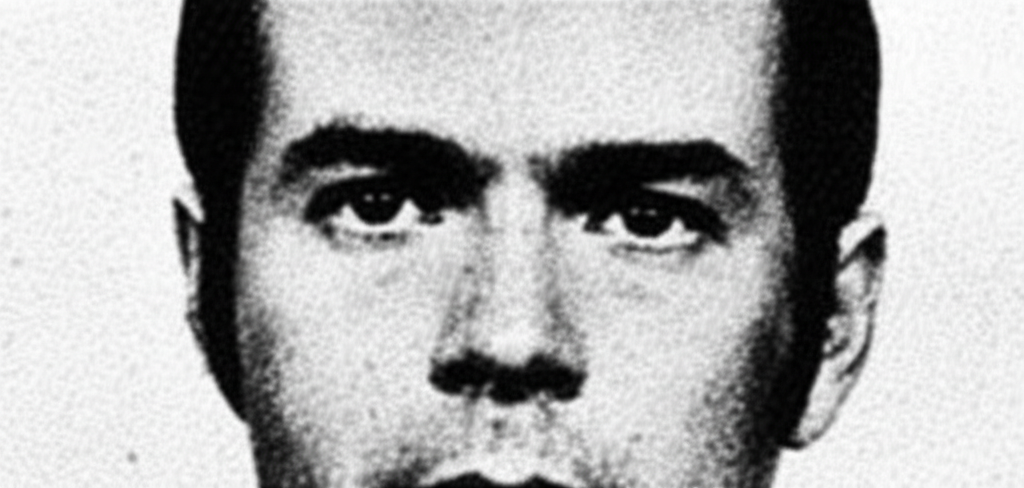
Edwin Bernard Kaprat III, known as "The Granny Killer," was an American serial killer responsible for six murders in Tampa and Hernando County, Florida, between August 1991 and September 1993, primarily targeting elderly women. He was apprehended on October 8, 1993, and subsequently convicted of two counts of first-degree murder, receiving a death sentence. Kaprat was killed in prison on April 19, 1995, during a dispute with another inmate, suffering fatal stab wounds. Significant evidence against him included DNA and witness testimonies linking him to the crime scenes, as well as his violent history and behavioral patterns that indicated a predisposition to commit such acts.
Edwin Kaprat is theorized to have targeted elderly women due to a combination of his violent tendencies and a perceived vulnerability in his victims. Some speculate that his childhood experiences of violence and bullying may have contributed to his later criminal behavior, suggesting a psychological profile that favored attacking those he deemed weaker. Additionally, there are beliefs that his violent outbursts and substance abuse played significant roles in his descent into serial killing.
Edwin Kaprat: The Tale of "The Granny Killer"
Early Life and Troubled Beginnings
Edwin Bernard Kaprat III, later infamous as "The Granny Killer," was born on September 21, 1964, in New York City, New York. Raised in what seemed to be a typical American household, Edwin was one of two children of Edwin "Skip" Kaprat Jr., a refrigeration mechanic, and Ruth, a real estate agent. The Kaprat family relocated to Great Meadows in Independence Township, New Jersey, where they were regarded as respectable citizens. Despite this façade, young Edwin, whom family members affectionately called "Mike," displayed a darker side. Intelligent and bookish, he also harbored a violent streak, often bullying those weaker than him. His teachers, in an attempt to manage his aggression, provided him with plush toys to redirect his anger.
Kaprat's turbulent behavior was compounded by his early descent into alcoholism at age 12, leading to frequent stints in juvenile treatment centers. By 16, he had dropped out of Hackettstown High School and married his pregnant girlfriend, Nora Niederhaus. Despite fathering two sons, Kaprat continued his reckless lifestyle, indulging in alcohol and marijuana. Tensions ran high in the Kaprat family, exacerbated by his parents' divorce and his sister Ruthie's own marital strife.
In 1990, in pursuit of a fresh start, Edwin and his family moved to his parents' home in Spring Hill, Florida. Yet, the move did little to quell his demons. Kaprat dabbled in machinist work, commuting between Hudson and Spring Hill, but his volatile nature remained unchecked.
The Murders Begin
The Murder of Lee Bugay
On February 22, 1991, the serene waters of Tampa's Courtney Campbell Causeway became the backdrop for tragedy. The lifeless body of 27-year-old Lee Anthony Bugay III was discovered in a mangrove, having been reported missing the day prior. Bugay had suffered a brutal beating, likely from a tire iron or pipe, and his vehicle was found abandoned at a nearby boat ramp. Investigators, keen on solving the mystery, collected plaster casts of footprints and tire tracks from the scene.
The case took a significant turn when Bugay's credit card was used at a Texaco store shortly after his body was found. The perpetrator? Edwin Kaprat, who had already fled back to New Jersey. An arrest warrant prompted Kaprat to contact Hackettstown Police, expressing a desire to surrender. On March 9, he was extradited to Florida to face charges including first-degree murder, armed robbery, and forgery. However, unreliable confessions and lack of evidence led to his conviction only on forgery charges, resulting in house arrest, which he later violated, leading to imprisonment until May 7, 1993.
The Hernando County Murders
The summer of 1993 in Hernando County was marred by a series of heinous crimes. On August 7, 80-year-old Sophia Francis Garrity, a beloved figure known as "The Cookie Lady," perished in a fire at her Spring Hill home. Initially deemed an accident due to an electrical malfunction, this was just the beginning.
Just ten days later, a horrific scene unfolded at the home of 84-year-old William Whitney and his 83-year-old wife, Alice. A neighbor, alerted by Bill's screams and a smoke detector, discovered the couple beaten and their home ablaze. Despite being hospitalized, the couple could not provide details about their attacker due to Bill's severe injuries and Alice's Alzheimer's.
The following day, another fire, this time in Brookridge, claimed the life of 70-year-old Ruth Goldsmith. Her mobile home was gutted, causing $65,000 in damages. Again, an electrical short was blamed, and the case dismissed as an accident.
However, the pattern of violence continued. In late August, local elderly women reported receiving harassing phone calls. On September 2, the charred remains of 79-year-old Lydia Riddell were discovered in her Brookridge home, bound and showing signs of sexual assault. Her death, declared a homicide, prompted a review of Goldsmith's case for potential links.
The violence culminated on September 26, when 87-year-old Lorraine "Alice" Burnham Dawe was found brutally murdered in her Spring Hill home. Evidence of sexual assault and a failed attempt to incinerate her residence pointed to a serial predator, prompting the FBI's involvement. Fear gripped the community, with residents fortifying their homes and arming themselves.
The Investigation and Arrest
In the wake of Dawe's murder, an anonymous tip directed police attention to Edwin Kaprat, a known felon with a murderous past. Investigators discovered his fingerprints on a window at Dawe's home, which was near his sister's residence. Lacking sufficient evidence to arrest, they placed him under surveillance. An undercover officer, offering Kaprat a ride, gleaned incriminating details about a bite mark on his neck, corroborated by cigarette butts found at crime scenes.
On October 8, an arrest warrant was issued. Kaprat was apprehended near his parents' home and, in custody, confessed to the murders, claiming he stomped on Dawe to "put her out of her misery." Charged with multiple counts of murder, attempted murder, sexual battery, burglary, arson, and robbery, Kaprat's arrest rekindled interest in Bugay's murder, hoping for a confession.
Trial and Justice
Kaprat's trial for Lydia Riddell's murder commenced in January 1995, captivating Hernando County residents horrified by the brutality of his crimes. Despite his attempts to claim coercion during his confession—highlighted by a tape-recorded interview where he was berated by detectives—Kaprat was found guilty. The jury, deliberating for eight hours, unanimously recommended the death penalty. His subsequent trial for Dawe's murder ended similarly, with another death sentence handed down.
Throughout the trials, Kaprat appeared disinterested, absorbed in books, even as his family pleaded for mercy. His appeals for leniency, citing suicidal tendencies, fell on deaf ears.
A Violent End
Fate intervened on April 19, 1995, when Kaprat met a violent end at Florida State Prison. He and fellow inmate Charles Street were stabbed to death by Mario Lara and Rigoberto Sanchez-Velasco, marking the first murders on death row. The families of Kaprat's victims expressed relief, though they extended condolences to his own family. The charges for his remaining crimes were subsequently dropped.
Lara and Sanchez-Velasco faced convictions for third-degree murder. Sanchez-Velasco, having waived appeals, was executed in 2002 for the 1986 murder of 11-year-old Katixa "Kathy" Ecanarro, while Lara's sentence was reduced to life imprisonment, where he remains.
Sources
For a detailed account of Edwin Kaprat's life and crimes, refer to the original Wikipedia article on Edwin Kaprat.
No Recent News
No recent news articles found for this case. Check back later for updates.
No Evidence Submitted
No evidence found for this case. Be the first to submit evidence in the comments below.
Join the discussion
Loading comments...
First Murder: Lee Bugay
The body of Lee Anthony Bugay III is found, beaten to death.
Murder of Sophia Garrity
80-year-old Sophia Garrity dies in a fire ruled accidental.
Murder of Lydia Riddell
79-year-old Lydia Riddell is found murdered and sexually assaulted.
Murder of Lorraine Dawe
87-year-old Lorraine Dawe is found beaten and sexually assaulted.
Kaprat Arrested
Edwin Kaprat is arrested and confesses to multiple murders.
William Whitney Dies
William Whitney dies from injuries linked to Kaprat's attack.
Kaprat Convicted
Kaprat is found guilty of the murder of Lydia Riddell.
Second Conviction
Kaprat is convicted of the murder of Lorraine Dawe.
Kaprat's Death
Edwin Kaprat is stabbed to death by fellow inmates on death row.
Edwin Bernard Kaprat III, known as "The Granny Killer," was an American serial killer responsible for six murders in Tampa and Hernando County, Florida, between August 1991 and September 1993, primarily targeting elderly women. He was apprehended on October 8, 1993, and subsequently convicted of two counts of first-degree murder, receiving a death sentence. Kaprat was killed in prison on April 19, 1995, during a dispute with another inmate, suffering fatal stab wounds. Significant evidence against him included DNA and witness testimonies linking him to the crime scenes, as well as his violent history and behavioral patterns that indicated a predisposition to commit such acts.
Edwin Kaprat is theorized to have targeted elderly women due to a combination of his violent tendencies and a perceived vulnerability in his victims. Some speculate that his childhood experiences of violence and bullying may have contributed to his later criminal behavior, suggesting a psychological profile that favored attacking those he deemed weaker. Additionally, there are beliefs that his violent outbursts and substance abuse played significant roles in his descent into serial killing.
Edwin Kaprat: The Tale of "The Granny Killer"
Early Life and Troubled Beginnings
Edwin Bernard Kaprat III, later infamous as "The Granny Killer," was born on September 21, 1964, in New York City, New York. Raised in what seemed to be a typical American household, Edwin was one of two children of Edwin "Skip" Kaprat Jr., a refrigeration mechanic, and Ruth, a real estate agent. The Kaprat family relocated to Great Meadows in Independence Township, New Jersey, where they were regarded as respectable citizens. Despite this façade, young Edwin, whom family members affectionately called "Mike," displayed a darker side. Intelligent and bookish, he also harbored a violent streak, often bullying those weaker than him. His teachers, in an attempt to manage his aggression, provided him with plush toys to redirect his anger.
Kaprat's turbulent behavior was compounded by his early descent into alcoholism at age 12, leading to frequent stints in juvenile treatment centers. By 16, he had dropped out of Hackettstown High School and married his pregnant girlfriend, Nora Niederhaus. Despite fathering two sons, Kaprat continued his reckless lifestyle, indulging in alcohol and marijuana. Tensions ran high in the Kaprat family, exacerbated by his parents' divorce and his sister Ruthie's own marital strife.
In 1990, in pursuit of a fresh start, Edwin and his family moved to his parents' home in Spring Hill, Florida. Yet, the move did little to quell his demons. Kaprat dabbled in machinist work, commuting between Hudson and Spring Hill, but his volatile nature remained unchecked.
The Murders Begin
The Murder of Lee Bugay
On February 22, 1991, the serene waters of Tampa's Courtney Campbell Causeway became the backdrop for tragedy. The lifeless body of 27-year-old Lee Anthony Bugay III was discovered in a mangrove, having been reported missing the day prior. Bugay had suffered a brutal beating, likely from a tire iron or pipe, and his vehicle was found abandoned at a nearby boat ramp. Investigators, keen on solving the mystery, collected plaster casts of footprints and tire tracks from the scene.
The case took a significant turn when Bugay's credit card was used at a Texaco store shortly after his body was found. The perpetrator? Edwin Kaprat, who had already fled back to New Jersey. An arrest warrant prompted Kaprat to contact Hackettstown Police, expressing a desire to surrender. On March 9, he was extradited to Florida to face charges including first-degree murder, armed robbery, and forgery. However, unreliable confessions and lack of evidence led to his conviction only on forgery charges, resulting in house arrest, which he later violated, leading to imprisonment until May 7, 1993.
The Hernando County Murders
The summer of 1993 in Hernando County was marred by a series of heinous crimes. On August 7, 80-year-old Sophia Francis Garrity, a beloved figure known as "The Cookie Lady," perished in a fire at her Spring Hill home. Initially deemed an accident due to an electrical malfunction, this was just the beginning.
Just ten days later, a horrific scene unfolded at the home of 84-year-old William Whitney and his 83-year-old wife, Alice. A neighbor, alerted by Bill's screams and a smoke detector, discovered the couple beaten and their home ablaze. Despite being hospitalized, the couple could not provide details about their attacker due to Bill's severe injuries and Alice's Alzheimer's.
The following day, another fire, this time in Brookridge, claimed the life of 70-year-old Ruth Goldsmith. Her mobile home was gutted, causing $65,000 in damages. Again, an electrical short was blamed, and the case dismissed as an accident.
However, the pattern of violence continued. In late August, local elderly women reported receiving harassing phone calls. On September 2, the charred remains of 79-year-old Lydia Riddell were discovered in her Brookridge home, bound and showing signs of sexual assault. Her death, declared a homicide, prompted a review of Goldsmith's case for potential links.
The violence culminated on September 26, when 87-year-old Lorraine "Alice" Burnham Dawe was found brutally murdered in her Spring Hill home. Evidence of sexual assault and a failed attempt to incinerate her residence pointed to a serial predator, prompting the FBI's involvement. Fear gripped the community, with residents fortifying their homes and arming themselves.
The Investigation and Arrest
In the wake of Dawe's murder, an anonymous tip directed police attention to Edwin Kaprat, a known felon with a murderous past. Investigators discovered his fingerprints on a window at Dawe's home, which was near his sister's residence. Lacking sufficient evidence to arrest, they placed him under surveillance. An undercover officer, offering Kaprat a ride, gleaned incriminating details about a bite mark on his neck, corroborated by cigarette butts found at crime scenes.
On October 8, an arrest warrant was issued. Kaprat was apprehended near his parents' home and, in custody, confessed to the murders, claiming he stomped on Dawe to "put her out of her misery." Charged with multiple counts of murder, attempted murder, sexual battery, burglary, arson, and robbery, Kaprat's arrest rekindled interest in Bugay's murder, hoping for a confession.
Trial and Justice
Kaprat's trial for Lydia Riddell's murder commenced in January 1995, captivating Hernando County residents horrified by the brutality of his crimes. Despite his attempts to claim coercion during his confession—highlighted by a tape-recorded interview where he was berated by detectives—Kaprat was found guilty. The jury, deliberating for eight hours, unanimously recommended the death penalty. His subsequent trial for Dawe's murder ended similarly, with another death sentence handed down.
Throughout the trials, Kaprat appeared disinterested, absorbed in books, even as his family pleaded for mercy. His appeals for leniency, citing suicidal tendencies, fell on deaf ears.
A Violent End
Fate intervened on April 19, 1995, when Kaprat met a violent end at Florida State Prison. He and fellow inmate Charles Street were stabbed to death by Mario Lara and Rigoberto Sanchez-Velasco, marking the first murders on death row. The families of Kaprat's victims expressed relief, though they extended condolences to his own family. The charges for his remaining crimes were subsequently dropped.
Lara and Sanchez-Velasco faced convictions for third-degree murder. Sanchez-Velasco, having waived appeals, was executed in 2002 for the 1986 murder of 11-year-old Katixa "Kathy" Ecanarro, while Lara's sentence was reduced to life imprisonment, where he remains.
Sources
For a detailed account of Edwin Kaprat's life and crimes, refer to the original Wikipedia article on Edwin Kaprat.
No Recent News
No recent news articles found for this case. Check back later for updates.
No Evidence Submitted
No evidence found for this case. Be the first to submit evidence in the comments below.
Join the discussion
Loading comments...
First Murder: Lee Bugay
The body of Lee Anthony Bugay III is found, beaten to death.
Murder of Sophia Garrity
80-year-old Sophia Garrity dies in a fire ruled accidental.
Murder of Lydia Riddell
79-year-old Lydia Riddell is found murdered and sexually assaulted.
Murder of Lorraine Dawe
87-year-old Lorraine Dawe is found beaten and sexually assaulted.
Kaprat Arrested
Edwin Kaprat is arrested and confesses to multiple murders.
William Whitney Dies
William Whitney dies from injuries linked to Kaprat's attack.
Kaprat Convicted
Kaprat is found guilty of the murder of Lydia Riddell.
Second Conviction
Kaprat is convicted of the murder of Lorraine Dawe.
Kaprat's Death
Edwin Kaprat is stabbed to death by fellow inmates on death row.