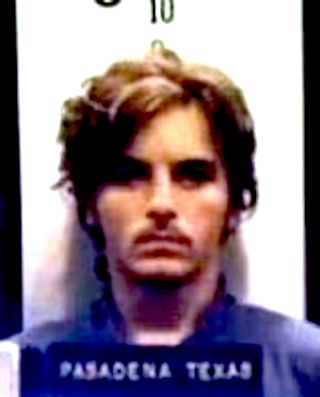
Elmer Wayne Henley
Houston Mass Murders Accomplice
CLASSIFICATION: Serial Homicide
LOCATION
Houston, Texas
TIME PERIOD
1970-1973
VICTIMS
6 confirmed
Elmer Wayne Henley Jr., an American serial killer, was convicted in 1974 for the murders of six victims linked to the Houston Mass Murders, which occurred between March 24, 1972, and July 25, 1973, in Houston and Pasadena, Texas. Initially an accomplice to Dean Corll, Henley participated in the abduction, torture, and murder of numerous young boys before fatally shooting Corll on August 8, 1973, at the age of 17, claiming self-defense. Henley was apprehended the same day and subsequently tried in San Antonio, where he received six consecutive 99-year sentences for his crimes. Currently, he remains incarcerated at the Telford Unit in Bowie County, Texas, following a successful appeal that led to a retrial and reaffirmation of his conviction in June 1979. The case is noted as one of the most notorious serial murder incidents in U.S. history, with Henley being a significant figure in the investigation due to his initial cooperation with law enforcement.
Elmer Wayne Henley is believed to have been motivated by a combination of sadism, self-preservation, and financial gain in his participation in the Houston Mass Murders. Some speculate that his initial role as an accomplice to Dean Corll evolved into a more active participation in the crimes due to a desire for power and control. Additionally, there are theories about the possibility of other unidentified accomplices or victims in the case, raising questions about the full extent of the murders.
The Dark Path of Elmer Wayne Henley
The Making of a Serial Accomplice
Elmer Wayne Henley Jr., born on May 9, 1956, in Houston, Texas, would become an infamous name in the annals of American crime. As an accomplice to Dean Corll, Henley was convicted in 1974 for the murder of six victims in what is known as the Houston Mass Murders—an atrocity that shook the nation between 1970 and 1973. Henley's crimes, driven by sadism, self-preservation, and financial gain, resulted in a life sentence, marking him as a central figure in one of the worst serial murder cases in U.S. history.
Early Life in Houston
Henley was the eldest of four sons born to Elmer Wayne Henley Sr. and Mary Pauline Henley (née Weed). His parents, both teenagers at his birth, struggled financially and emotionally. His father, an alcoholic, often subjected the family to violence, leaving Henley to take on a protective role, particularly towards his mother. Despite the tumultuous home life, young Henley excelled academically, ranking in the top quarter of his class and nurturing dreams of becoming a preacher—a path encouraged by his devoutly Christian mother and grandparents.
However, Henley's aspirations were overshadowed by the chaos at home. On one harrowing occasion, Henley intervened during a violent episode, pointing a shotgun at his father to protect his mother. This incident encapsulated the duality of his childhood: moments of paternal bonding contrasted sharply with violence and neglect.
Adolescence and Disillusionment
The divorce of Henley's parents in 1970 marked a turning point. With his father gone, Henley took on the mantle of the man of the house, juggling two jobs to help his mother while his academic performance plummeted. He soon gravitated towards alcohol, marijuana, and small-time drug dealing—a stark departure from his earlier ambitions.
Despite the familial upheaval, Henley maintained friendships, including one with David William Hilligiest. When Hilligiest disappeared in 1971, along with Gregory Malley Winkle, Henley was among those who searched tirelessly, distributing flyers and offering reassurances to worried families. Yet, the seeds of darkness had already been sown.
Crossing Paths with David Brooks
Henley's descent into the criminal underworld began with David Owen Brooks, a fellow truant from Hamilton Junior High School. Brooks, with his flashy 1969 Chevrolet Corvette and mysterious wealth, introduced Henley to Dean Corll. Initially, Henley viewed Corll as a respectable figure, oblivious to the sinister reality beneath the surface.
As Henley spent more time with Brooks and Corll, he noticed unsettling changes in Corll's demeanor—fluctuating between affable and agitated. Despite suspicions about the nature of Brooks's relationship with Corll, it wasn't until Brooks lured Henley to Corll's home under the guise of a financial opportunity that Henley began to glimpse the true horror.
The Introduction to Dean Corll
Henley's initiation into Corll's world was gradual. Corll, who spoke of organized theft and hinted at more serious crimes, eventually revealed his involvement in human trafficking. Promising $200 for each boy brought to him, Corll manipulated Henley with the lure of easy money—a tempting offer given Henley's financial struggles.
Initially, Henley resisted, but by February 1972, desperation led him to participate in the abduction of a youth. Although Henley claimed to be unaware of the boy's fate, his actions set him on a path of complicity and murder.
A Descent into Darkness
On March 24, 1972, Henley, alongside Corll and Brooks, lured Frank Anthony Aguirre to Corll's home. There, Corll attacked Aguirre, revealing the grim truth of his intentions. Despite Henley's protestations, Aguirre became another victim, buried at High Island Beach—a site that would become a mass grave.
Henley's involvement deepened. He learned of the fate of his friend David Hilligiest and continued to assist in the abductions, becoming an active participant in the horrific cycle of kidnapping, torture, and murder. Each crime further entangled him in the macabre operations of Dean Corll.
The Final Act and Aftermath
Henley's complicity culminated in a dramatic confrontation on August 8, 1973. At just seventeen, he shot Corll to death, claiming self-defense. This act of violence led to his arrest and subsequent confessions, unraveling the full extent of the Houston Mass Murders. Tried in San Antonio, Henley was convicted of six murders and sentenced to six consecutive 99-year terms, a conviction upheld despite a successful appeal and retrial in 1979.
Today, Elmer Wayne Henley remains incarcerated at the Telford Unit in Bowie County, Texas, serving a life sentence as a stark reminder of the depths of human depravity and the complexities of complicity in crime.
Sources
For a detailed exploration of Elmer Wayne Henley's life and crimes, visit the original Wikipedia article: Wikipedia: Elmer Wayne Henley
No Recent News
No recent news articles found for this case. Check back later for updates.
No Evidence Submitted
No evidence found for this case. Be the first to submit evidence in the comments below.
Join the discussion
Loading comments...
First Known Murder
Elmer Wayne Henley assists Dean Corll in the abduction and murder of Frank Anthony Aguirre.
Corll Killed
Henley shoots and kills Dean Corll in self-defense after being threatened with death.
Confession to Police
Henley confesses to police about his involvement in the murders and assists in locating victims' bodies.
Bodies Discovered
Seventeen bodies are recovered from Corll's boat shed, marking one of the worst serial murder cases in U.S. history.
Indictment
Henley is indicted on three counts of murder, with the number rising to six by September.
Trial Begins
Henley's trial for the murders of six teenage boys begins in San Antonio.
Conviction
Henley is found guilty of six counts of murder and sentenced to six consecutive 99-year terms.
Conviction Overturned
Henley's conviction is overturned on appeal, leading to a retrial.
Retrial Conviction
Henley is again convicted of six murders and sentenced to six life terms, to run concurrently.
Elmer Wayne Henley Jr., an American serial killer, was convicted in 1974 for the murders of six victims linked to the Houston Mass Murders, which occurred between March 24, 1972, and July 25, 1973, in Houston and Pasadena, Texas. Initially an accomplice to Dean Corll, Henley participated in the abduction, torture, and murder of numerous young boys before fatally shooting Corll on August 8, 1973, at the age of 17, claiming self-defense. Henley was apprehended the same day and subsequently tried in San Antonio, where he received six consecutive 99-year sentences for his crimes. Currently, he remains incarcerated at the Telford Unit in Bowie County, Texas, following a successful appeal that led to a retrial and reaffirmation of his conviction in June 1979. The case is noted as one of the most notorious serial murder incidents in U.S. history, with Henley being a significant figure in the investigation due to his initial cooperation with law enforcement.
Elmer Wayne Henley is believed to have been motivated by a combination of sadism, self-preservation, and financial gain in his participation in the Houston Mass Murders. Some speculate that his initial role as an accomplice to Dean Corll evolved into a more active participation in the crimes due to a desire for power and control. Additionally, there are theories about the possibility of other unidentified accomplices or victims in the case, raising questions about the full extent of the murders.
The Dark Path of Elmer Wayne Henley
The Making of a Serial Accomplice
Elmer Wayne Henley Jr., born on May 9, 1956, in Houston, Texas, would become an infamous name in the annals of American crime. As an accomplice to Dean Corll, Henley was convicted in 1974 for the murder of six victims in what is known as the Houston Mass Murders—an atrocity that shook the nation between 1970 and 1973. Henley's crimes, driven by sadism, self-preservation, and financial gain, resulted in a life sentence, marking him as a central figure in one of the worst serial murder cases in U.S. history.
Early Life in Houston
Henley was the eldest of four sons born to Elmer Wayne Henley Sr. and Mary Pauline Henley (née Weed). His parents, both teenagers at his birth, struggled financially and emotionally. His father, an alcoholic, often subjected the family to violence, leaving Henley to take on a protective role, particularly towards his mother. Despite the tumultuous home life, young Henley excelled academically, ranking in the top quarter of his class and nurturing dreams of becoming a preacher—a path encouraged by his devoutly Christian mother and grandparents.
However, Henley's aspirations were overshadowed by the chaos at home. On one harrowing occasion, Henley intervened during a violent episode, pointing a shotgun at his father to protect his mother. This incident encapsulated the duality of his childhood: moments of paternal bonding contrasted sharply with violence and neglect.
Adolescence and Disillusionment
The divorce of Henley's parents in 1970 marked a turning point. With his father gone, Henley took on the mantle of the man of the house, juggling two jobs to help his mother while his academic performance plummeted. He soon gravitated towards alcohol, marijuana, and small-time drug dealing—a stark departure from his earlier ambitions.
Despite the familial upheaval, Henley maintained friendships, including one with David William Hilligiest. When Hilligiest disappeared in 1971, along with Gregory Malley Winkle, Henley was among those who searched tirelessly, distributing flyers and offering reassurances to worried families. Yet, the seeds of darkness had already been sown.
Crossing Paths with David Brooks
Henley's descent into the criminal underworld began with David Owen Brooks, a fellow truant from Hamilton Junior High School. Brooks, with his flashy 1969 Chevrolet Corvette and mysterious wealth, introduced Henley to Dean Corll. Initially, Henley viewed Corll as a respectable figure, oblivious to the sinister reality beneath the surface.
As Henley spent more time with Brooks and Corll, he noticed unsettling changes in Corll's demeanor—fluctuating between affable and agitated. Despite suspicions about the nature of Brooks's relationship with Corll, it wasn't until Brooks lured Henley to Corll's home under the guise of a financial opportunity that Henley began to glimpse the true horror.
The Introduction to Dean Corll
Henley's initiation into Corll's world was gradual. Corll, who spoke of organized theft and hinted at more serious crimes, eventually revealed his involvement in human trafficking. Promising $200 for each boy brought to him, Corll manipulated Henley with the lure of easy money—a tempting offer given Henley's financial struggles.
Initially, Henley resisted, but by February 1972, desperation led him to participate in the abduction of a youth. Although Henley claimed to be unaware of the boy's fate, his actions set him on a path of complicity and murder.
A Descent into Darkness
On March 24, 1972, Henley, alongside Corll and Brooks, lured Frank Anthony Aguirre to Corll's home. There, Corll attacked Aguirre, revealing the grim truth of his intentions. Despite Henley's protestations, Aguirre became another victim, buried at High Island Beach—a site that would become a mass grave.
Henley's involvement deepened. He learned of the fate of his friend David Hilligiest and continued to assist in the abductions, becoming an active participant in the horrific cycle of kidnapping, torture, and murder. Each crime further entangled him in the macabre operations of Dean Corll.
The Final Act and Aftermath
Henley's complicity culminated in a dramatic confrontation on August 8, 1973. At just seventeen, he shot Corll to death, claiming self-defense. This act of violence led to his arrest and subsequent confessions, unraveling the full extent of the Houston Mass Murders. Tried in San Antonio, Henley was convicted of six murders and sentenced to six consecutive 99-year terms, a conviction upheld despite a successful appeal and retrial in 1979.
Today, Elmer Wayne Henley remains incarcerated at the Telford Unit in Bowie County, Texas, serving a life sentence as a stark reminder of the depths of human depravity and the complexities of complicity in crime.
Sources
For a detailed exploration of Elmer Wayne Henley's life and crimes, visit the original Wikipedia article: Wikipedia: Elmer Wayne Henley
No Recent News
No recent news articles found for this case. Check back later for updates.
No Evidence Submitted
No evidence found for this case. Be the first to submit evidence in the comments below.
Join the discussion
Loading comments...
First Known Murder
Elmer Wayne Henley assists Dean Corll in the abduction and murder of Frank Anthony Aguirre.
Corll Killed
Henley shoots and kills Dean Corll in self-defense after being threatened with death.
Confession to Police
Henley confesses to police about his involvement in the murders and assists in locating victims' bodies.
Bodies Discovered
Seventeen bodies are recovered from Corll's boat shed, marking one of the worst serial murder cases in U.S. history.
Indictment
Henley is indicted on three counts of murder, with the number rising to six by September.
Trial Begins
Henley's trial for the murders of six teenage boys begins in San Antonio.
Conviction
Henley is found guilty of six counts of murder and sentenced to six consecutive 99-year terms.
Conviction Overturned
Henley's conviction is overturned on appeal, leading to a retrial.
Retrial Conviction
Henley is again convicted of six murders and sentenced to six life terms, to run concurrently.