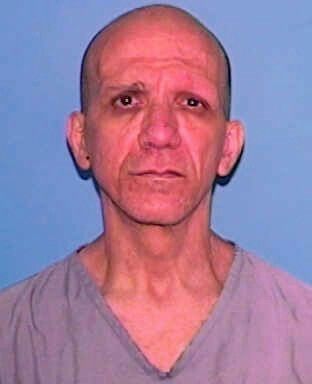
Francisco Del Junco
Cuban-American Serial Killer
CLASSIFICATION: Serial Homicide
LOCATION
Miami, Florida
TIME PERIOD
1995-1996
VICTIMS
4 confirmed
Francisco del Junco, a Cuban-American serial killer, was apprehended on June 3, 1996, in Miami, Florida, after a 10-month investigation into the murders of four prostitutes between August 1995 and March 1996. The victims, Vida Hicks (43), Diane Nelms (44), Cheryl Ray (37), and Janice Cox (37), were lured with promises of drugs and sex, brutally beaten with metal pipes, and subsequently burned with gasoline in the Allapattah neighborhood. Del Junco was arrested after a homeless woman provided crucial information about an assault he committed against her, leading to the discovery of gasoline and matches in his possession. He was convicted on four counts of first-degree murder and is currently serving a life sentence without the possibility of parole. Significant evidence included forensic tests linking his combat boots to the crime scenes, along with his detailed confession of the murders.
Francisco del Junco's childhood experiences and mental health issues are believed to have contributed to his violent behavior, with some theorizing that his history of rejection and hallucinations may have fueled his crimes. There is speculation that his actions were influenced by a combination of untreated mental illness and a desire for control, as he specifically targeted vulnerable individuals. Additionally, some believe that his choice of victims, all Miami prostitutes, reflects a predatory pattern aimed at those he perceived as marginalized and less likely to be missed.
The Miami Murders: The Chilling Crimes of Francisco del Junco
The First Signs of Darkness
Born on August 3, 1957, in Cuba, Francisco del Junco lived a life shadowed by tragedy from the start. As the first child in a family with a troubling history of mental illness, Francisco's early years were marked by rejection and illness. His peers shunned him, and from the tender age of three, he was on medication for epilepsy. His father’s neglect left deep scars, but Francisco found solace in moments spent with his mother, especially their cherished trips to the beach.
At sixteen, Francisco's world began to distort as he started hearing voices and witnessing bizarre visions of priestesses practicing black magic. These hallucinations isolated him further, as he grew paranoid, believing someone was plotting to end his life. Seeking a new beginning, Francisco made his way to Miami in 1980 during the Mariel boatlift, with hopes of finding refuge among relatives.
A Troubled Path
In the United States, Francisco attempted to carve out a semblance of normalcy through various jobs. Simultaneously, he sought psychiatric help, frequenting the Miami Mental Health Clinic three times—in 1987, 1988, and 1992. Yet, his troubles with the law began to mount. Between 1987 and 1995, Francisco faced multiple arrests for offenses ranging from assaulting an officer to burglary, loitering, and theft. Despite missing a crucial psychiatric appointment, his prognosis remained "guarded," and he was not seen as a societal threat.
A String of Murders
From August 1995 to March 1996, horror descended upon Miami’s Allapattah neighborhood as four black prostitutes, all battling crack cocaine addiction, met a gruesome fate. Vida Hicks, aged 43, Diane Nelms, 44, Cheryl Ray, 37, and Janice Cox, also 37, found themselves ensnared by promises of free drugs and sex. Tragically, these promises led to their brutal deaths at the hands of Francisco del Junco.
Each victim was savagely beaten with metal pipes, their lives extinguished amid violence. Francisco's macabre ritual culminated in setting their upper torsos ablaze with gasoline, leaving a trail of charred remains that haunted the streets of Miami.
The Capture
As authorities grappled with the fear and chaos Francisco unleashed, a ten-month investigation unfolded. A special task force tirelessly pursued leads until a crucial breakthrough arrived from an unexpected source—a homeless woman who had suffered Francisco’s wrath. Beaten after refusing his advances, her information proved instrumental.
On June 3, 1996, the net closed around Francisco. Caught red-handed with a container of gasoline and wooden matches, the evidence was damning. Forensic analysis linked the pattern of his combat boots to prints left at the crime scenes. Under the weight of undeniable evidence, Francisco confessed, detailing his crimes with chilling precision. He revealed how he lured his victims to Key Biscayne, away from prying eyes, where he executed his deadly deeds.
The Trial and Sentencing
During his trial, Francisco's mental state became a pivotal factor. The Miami-Dade County judge ruled out the death penalty, attributing his heinous actions to his mental illness. Consequently, Francisco del Junco was sentenced to four concurrent life sentences, ensuring he would spend the rest of his days behind bars.
A Grim Legacy
Francisco del Junco's story is a haunting reminder of the darkness that can lurk within a troubled mind. His crimes left an indelible mark on Miami, a city forced to confront the unimaginable horror one man wrought.
Sources
- Donna Pazdera, "RECORDS OUT ON ACCUSED SERIAL KILLER," Sun-Sentinel, October 31, 1996.
- Jennifer Valdes, "CONVICTED KILLER GETS FOUR LIFE TERMS," Sun-Sentinel, June 5, 2003.
- Associated Press, "MIAMI MAN CONFESSES TO KILLING 4 WOMEN BEATEN, BURNED," Deseret News, June 4, 1996. Archived October 25, 2012.
- United Press International, "Police arrest serial killer suspect," June 3, 1996.
- United Press International, "Suspect held in Miami serial killings," June 4, 1996.
For more details, refer to the original Wikipedia article.
No Recent News
No recent news articles found for this case. Check back later for updates.
No Evidence Submitted
No evidence found for this case. Be the first to submit evidence in the comments below.
Join the discussion
Loading comments...
First Murder
Francisco del Junco kills his first victim, Vida Hicks, luring her with drugs.
Second Murder
Del Junco murders his second victim, Diane Nelms, in a similar manner.
Third Murder
Cheryl Ray becomes the third victim of del Junco's killing spree.
Fourth Murder
Janice Cox is murdered, marking the end of del Junco's series of killings.
Arrest of Del Junco
Francisco del Junco is arrested after a homeless woman provides crucial information.
Confession
Del Junco confesses to the murders, detailing the crimes to investigators.
Trial Begins
The trial of Francisco del Junco begins, focusing on his mental illness.
Conviction
Del Junco is convicted of four counts of first-degree murder.
Sentencing
Francisco del Junco is sentenced to four life terms without parole.
Francisco del Junco, a Cuban-American serial killer, was apprehended on June 3, 1996, in Miami, Florida, after a 10-month investigation into the murders of four prostitutes between August 1995 and March 1996. The victims, Vida Hicks (43), Diane Nelms (44), Cheryl Ray (37), and Janice Cox (37), were lured with promises of drugs and sex, brutally beaten with metal pipes, and subsequently burned with gasoline in the Allapattah neighborhood. Del Junco was arrested after a homeless woman provided crucial information about an assault he committed against her, leading to the discovery of gasoline and matches in his possession. He was convicted on four counts of first-degree murder and is currently serving a life sentence without the possibility of parole. Significant evidence included forensic tests linking his combat boots to the crime scenes, along with his detailed confession of the murders.
Francisco del Junco's childhood experiences and mental health issues are believed to have contributed to his violent behavior, with some theorizing that his history of rejection and hallucinations may have fueled his crimes. There is speculation that his actions were influenced by a combination of untreated mental illness and a desire for control, as he specifically targeted vulnerable individuals. Additionally, some believe that his choice of victims, all Miami prostitutes, reflects a predatory pattern aimed at those he perceived as marginalized and less likely to be missed.
The Miami Murders: The Chilling Crimes of Francisco del Junco
The First Signs of Darkness
Born on August 3, 1957, in Cuba, Francisco del Junco lived a life shadowed by tragedy from the start. As the first child in a family with a troubling history of mental illness, Francisco's early years were marked by rejection and illness. His peers shunned him, and from the tender age of three, he was on medication for epilepsy. His father’s neglect left deep scars, but Francisco found solace in moments spent with his mother, especially their cherished trips to the beach.
At sixteen, Francisco's world began to distort as he started hearing voices and witnessing bizarre visions of priestesses practicing black magic. These hallucinations isolated him further, as he grew paranoid, believing someone was plotting to end his life. Seeking a new beginning, Francisco made his way to Miami in 1980 during the Mariel boatlift, with hopes of finding refuge among relatives.
A Troubled Path
In the United States, Francisco attempted to carve out a semblance of normalcy through various jobs. Simultaneously, he sought psychiatric help, frequenting the Miami Mental Health Clinic three times—in 1987, 1988, and 1992. Yet, his troubles with the law began to mount. Between 1987 and 1995, Francisco faced multiple arrests for offenses ranging from assaulting an officer to burglary, loitering, and theft. Despite missing a crucial psychiatric appointment, his prognosis remained "guarded," and he was not seen as a societal threat.
A String of Murders
From August 1995 to March 1996, horror descended upon Miami’s Allapattah neighborhood as four black prostitutes, all battling crack cocaine addiction, met a gruesome fate. Vida Hicks, aged 43, Diane Nelms, 44, Cheryl Ray, 37, and Janice Cox, also 37, found themselves ensnared by promises of free drugs and sex. Tragically, these promises led to their brutal deaths at the hands of Francisco del Junco.
Each victim was savagely beaten with metal pipes, their lives extinguished amid violence. Francisco's macabre ritual culminated in setting their upper torsos ablaze with gasoline, leaving a trail of charred remains that haunted the streets of Miami.
The Capture
As authorities grappled with the fear and chaos Francisco unleashed, a ten-month investigation unfolded. A special task force tirelessly pursued leads until a crucial breakthrough arrived from an unexpected source—a homeless woman who had suffered Francisco’s wrath. Beaten after refusing his advances, her information proved instrumental.
On June 3, 1996, the net closed around Francisco. Caught red-handed with a container of gasoline and wooden matches, the evidence was damning. Forensic analysis linked the pattern of his combat boots to prints left at the crime scenes. Under the weight of undeniable evidence, Francisco confessed, detailing his crimes with chilling precision. He revealed how he lured his victims to Key Biscayne, away from prying eyes, where he executed his deadly deeds.
The Trial and Sentencing
During his trial, Francisco's mental state became a pivotal factor. The Miami-Dade County judge ruled out the death penalty, attributing his heinous actions to his mental illness. Consequently, Francisco del Junco was sentenced to four concurrent life sentences, ensuring he would spend the rest of his days behind bars.
A Grim Legacy
Francisco del Junco's story is a haunting reminder of the darkness that can lurk within a troubled mind. His crimes left an indelible mark on Miami, a city forced to confront the unimaginable horror one man wrought.
Sources
- Donna Pazdera, "RECORDS OUT ON ACCUSED SERIAL KILLER," Sun-Sentinel, October 31, 1996.
- Jennifer Valdes, "CONVICTED KILLER GETS FOUR LIFE TERMS," Sun-Sentinel, June 5, 2003.
- Associated Press, "MIAMI MAN CONFESSES TO KILLING 4 WOMEN BEATEN, BURNED," Deseret News, June 4, 1996. Archived October 25, 2012.
- United Press International, "Police arrest serial killer suspect," June 3, 1996.
- United Press International, "Suspect held in Miami serial killings," June 4, 1996.
For more details, refer to the original Wikipedia article.
No Recent News
No recent news articles found for this case. Check back later for updates.
No Evidence Submitted
No evidence found for this case. Be the first to submit evidence in the comments below.
Join the discussion
Loading comments...
First Murder
Francisco del Junco kills his first victim, Vida Hicks, luring her with drugs.
Second Murder
Del Junco murders his second victim, Diane Nelms, in a similar manner.
Third Murder
Cheryl Ray becomes the third victim of del Junco's killing spree.
Fourth Murder
Janice Cox is murdered, marking the end of del Junco's series of killings.
Arrest of Del Junco
Francisco del Junco is arrested after a homeless woman provides crucial information.
Confession
Del Junco confesses to the murders, detailing the crimes to investigators.
Trial Begins
The trial of Francisco del Junco begins, focusing on his mental illness.
Conviction
Del Junco is convicted of four counts of first-degree murder.
Sentencing
Francisco del Junco is sentenced to four life terms without parole.