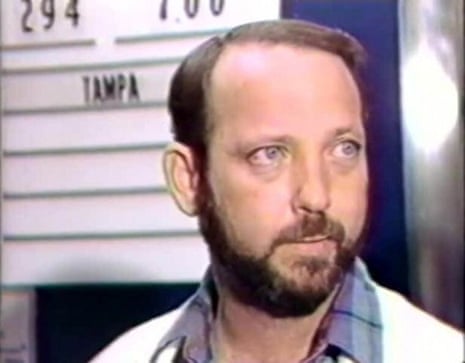
Gary Plauché
Vigilante Justice Shooting
CLASSIFICATION: Murder
LOCATION
Baton Rouge, Louisiana
TIME PERIOD
March 16, 1984
VICTIMS
1 confirmed
On March 16, 1984, Leon Gary Plauché fatally shot Jeffrey Doucet at Baton Rouge Metropolitan Airport as Doucet was being escorted by law enforcement to face trial for the kidnapping and sexual assault of Plauché's 11-year-old son, Joseph Boyce "Jody" Plauché. The incident occurred around 9:30 p.m. and was captured on camera by a local news crew. Plauché, who had been informed of Doucet's arrival by a WBRZ-TV employee, used a disguise to conceal his identity while waiting for the opportunity to confront Doucet. Following the shooting, Plauché received a seven-year suspended sentence, five years of probation, and 300 hours of community service, with no prison time served. He justified his actions by stating that any parent would have acted similarly under the circumstances.
Many believe that Leon Gary Plauché acted out of a sense of justice and that his actions were justified given the circumstances surrounding his son’s abuse. Some speculate that the lenient sentence Plauché received reflects a societal sympathy for parental vengeance in cases of child abuse. There are also theories that the public's reaction to the shooting was influenced by the graphic nature of the crime committed against Jody, leading to a divided opinion on the morality of Plauché's actions.
The Killing of Jeffrey Doucet: A Tale of Vigilante Justice
An Act of Desperation
In the heart of Baton Rouge, Louisiana, on March 16, 1984, a father’s desperate act of vengeance unfolded in front of the world. Leon Gary Plauché, a man tormented by the violation of his son, stood in the bustling Baton Rouge Metropolitan Airport. Moments later, he would shoot Jeffrey Doucet, the man accused of kidnapping and raping his 11-year-old son, Joseph Boyce "Jody" Plauché. This dramatic event was captured by the lens of a local news camera crew, forever etching it in the annals of true crime history.
Born on November 10, 1945, Gary Plauché was no stranger to discipline and responsibility, having served as a sergeant in the United States Air Force. By 1984, he was working as a heavy equipment salesman, living a seemingly ordinary life, though separated from his wife, June. However, his world was shattered when his son’s karate instructor, 25-year-old Jeffrey Doucet, turned from teacher to tormentor.
The Kidnapping
In 1983, Jody Plauché, bright-eyed and eager to learn, began attending karate lessons under Doucet’s instruction. Unbeknownst to his parents, these sessions masked a sinister truth: Doucet had been sexually abusing Jody for over a year. Then, on February 14, 1984, the nightmare escalated when Doucet kidnapped the young boy, spiriting him away to a motel room in Anaheim, California.
As panic set in, a nationwide search commenced. The break came when Doucet allowed Jody to make a collect call to his mother. This call became the thread that led California police to their hideout. On February 29, officers stormed the motel, arresting Doucet without incident and bringing an end to the immediate horror.
The Airport Confrontation
Barely two weeks later, on March 1, Jody was back with his family in Louisiana. Yet, the reunion was bittersweet, overshadowed by the trauma of what had transpired. Plauché’s emotions ranged from helplessness to a burning desire for justice. The legal system seemed inadequate for the horror inflicted on his child.
March 16, 1984, saw Doucet extradited to Louisiana to face his charges. He arrived at Baton Rouge Metropolitan Airport, handcuffed and flanked by police. Unbeknownst to many, Plauché had learned of Doucet’s flight details from an employee at the local ABC affiliate, WBRZ-TV. Disguised in a baseball cap and sunglasses, Plauché waited by a bank of payphones, speaking to his best friend on the line, tracking Doucet’s arrival through the reflection of camera lights on the wall.
As Doucet walked by, Plauché turned, gun in hand. He fired a single shot at Doucet’s head, a bullet that spelled the end for the accused abuser. Doucet crumpled to the floor, blood pooling from the wound near his right ear. A police officer swiftly restrained Plauché, while others rushed to Doucet’s aid. The officers, recognizing Plauché, were caught between duty and empathy, repeatedly asking, “Gary, why? Why, Gary?” Doucet succumbed to his injuries the following day.
Legal Aftermath and Public Reaction
The legal consequences for Plauché were as unorthodox as the crime itself. Initially charged with second-degree murder, he eventually entered a plea of no contest to manslaughter. The courts, swayed by psychological evaluations that painted Plauché as temporarily insane with grief and rage, handed down a seven-year suspended sentence, five years of probation, and 300 hours of community service, which he completed by 1989.
Dr. Edward P. Uzee, a psychiatrist, played a pivotal role in Plauché’s defense, asserting that Plauché’s mental state at the time of the shooting rendered him incapable of distinguishing right from wrong. The manipulation and abuse by Doucet were laid bare, highlighting the emotional turmoil that had engulfed Plauché. Judge Frank Saia, presiding over the case, concluded that imprisoning Plauché would serve no purpose and that he posed no future threat to society.
The footage of Plauché’s act of vigilantism spread, becoming a part of cultural discussions on justice, appearing in documentaries and television programs. Among these were the 1994 shockumentary "Traces of Death II" and Michael Moore’s 2002 "Bowling for Columbine." The video, now a staple on YouTube, has amassed millions of views, a testament to the public’s enduring fascination with this case.
Legacy and Reflection
Years later, Plauché stood by his actions, expressing no regret and reiterating that his actions were those of a father pushed beyond his limits. In 2019, Jody Plauché published "Why, Gary, Why?: The Jody Plauché Story," offering his perspective. Initially, Jody struggled with his father’s actions, having seen Doucet as a mentor. However, understanding and healing followed, leading Jody to become an advocate for sexual abuse awareness. He pursued his education at Louisiana State University, engaging with Men Against Violence, and later worked as a sexual assault counselor.
Despite the heavy shadows of the past, Jody emerged as a voice for victims, while his father became a complex figure in the debate over justice and vengeance. By 2024, Jody publicly acknowledged his contentment with life and his gratitude for his father’s love and sacrifice.
The End of an Era
Gary Plauché’s life concluded on October 20, 2014, after a series of strokes. His story, a blend of tragedy and controversial justice, continues to resonate, a chilling reminder of the lengths one might go to protect their loved ones.
Sources
- Wikipedia URL: Gary Plauché
No Recent News
No recent news articles found for this case. Check back later for updates.
No Evidence Submitted
No evidence found for this case. Be the first to submit evidence in the comments below.
Join the discussion
Loading comments...
Kidnapping of Jody Plauché
Jeffrey Doucet kidnaps Jody Plauché and takes him to a motel in California.
Doucet Arrested
California police arrest Jeffrey Doucet after he allows Jody to call his mother.
Jody Returned
Jody Plauché is returned to his family in Louisiana after being rescued.
Doucet Shot
Leon Gary Plauché shoots Jeffrey Doucet at Baton Rouge Metropolitan Airport.
Doucet Dies
Jeffrey Doucet dies from injuries sustained during the shooting.
Plauché Sentenced
Leon Gary Plauché is sentenced to a seven-year suspended sentence and probation.
Community Service Completed
Plauché completes 300 hours of community service as part of his sentence.
Plauché Dies
Leon Gary Plauché passes away after suffering a stroke.
On March 16, 1984, Leon Gary Plauché fatally shot Jeffrey Doucet at Baton Rouge Metropolitan Airport as Doucet was being escorted by law enforcement to face trial for the kidnapping and sexual assault of Plauché's 11-year-old son, Joseph Boyce "Jody" Plauché. The incident occurred around 9:30 p.m. and was captured on camera by a local news crew. Plauché, who had been informed of Doucet's arrival by a WBRZ-TV employee, used a disguise to conceal his identity while waiting for the opportunity to confront Doucet. Following the shooting, Plauché received a seven-year suspended sentence, five years of probation, and 300 hours of community service, with no prison time served. He justified his actions by stating that any parent would have acted similarly under the circumstances.
Many believe that Leon Gary Plauché acted out of a sense of justice and that his actions were justified given the circumstances surrounding his son’s abuse. Some speculate that the lenient sentence Plauché received reflects a societal sympathy for parental vengeance in cases of child abuse. There are also theories that the public's reaction to the shooting was influenced by the graphic nature of the crime committed against Jody, leading to a divided opinion on the morality of Plauché's actions.
The Killing of Jeffrey Doucet: A Tale of Vigilante Justice
An Act of Desperation
In the heart of Baton Rouge, Louisiana, on March 16, 1984, a father’s desperate act of vengeance unfolded in front of the world. Leon Gary Plauché, a man tormented by the violation of his son, stood in the bustling Baton Rouge Metropolitan Airport. Moments later, he would shoot Jeffrey Doucet, the man accused of kidnapping and raping his 11-year-old son, Joseph Boyce "Jody" Plauché. This dramatic event was captured by the lens of a local news camera crew, forever etching it in the annals of true crime history.
Born on November 10, 1945, Gary Plauché was no stranger to discipline and responsibility, having served as a sergeant in the United States Air Force. By 1984, he was working as a heavy equipment salesman, living a seemingly ordinary life, though separated from his wife, June. However, his world was shattered when his son’s karate instructor, 25-year-old Jeffrey Doucet, turned from teacher to tormentor.
The Kidnapping
In 1983, Jody Plauché, bright-eyed and eager to learn, began attending karate lessons under Doucet’s instruction. Unbeknownst to his parents, these sessions masked a sinister truth: Doucet had been sexually abusing Jody for over a year. Then, on February 14, 1984, the nightmare escalated when Doucet kidnapped the young boy, spiriting him away to a motel room in Anaheim, California.
As panic set in, a nationwide search commenced. The break came when Doucet allowed Jody to make a collect call to his mother. This call became the thread that led California police to their hideout. On February 29, officers stormed the motel, arresting Doucet without incident and bringing an end to the immediate horror.
The Airport Confrontation
Barely two weeks later, on March 1, Jody was back with his family in Louisiana. Yet, the reunion was bittersweet, overshadowed by the trauma of what had transpired. Plauché’s emotions ranged from helplessness to a burning desire for justice. The legal system seemed inadequate for the horror inflicted on his child.
March 16, 1984, saw Doucet extradited to Louisiana to face his charges. He arrived at Baton Rouge Metropolitan Airport, handcuffed and flanked by police. Unbeknownst to many, Plauché had learned of Doucet’s flight details from an employee at the local ABC affiliate, WBRZ-TV. Disguised in a baseball cap and sunglasses, Plauché waited by a bank of payphones, speaking to his best friend on the line, tracking Doucet’s arrival through the reflection of camera lights on the wall.
As Doucet walked by, Plauché turned, gun in hand. He fired a single shot at Doucet’s head, a bullet that spelled the end for the accused abuser. Doucet crumpled to the floor, blood pooling from the wound near his right ear. A police officer swiftly restrained Plauché, while others rushed to Doucet’s aid. The officers, recognizing Plauché, were caught between duty and empathy, repeatedly asking, “Gary, why? Why, Gary?” Doucet succumbed to his injuries the following day.
Legal Aftermath and Public Reaction
The legal consequences for Plauché were as unorthodox as the crime itself. Initially charged with second-degree murder, he eventually entered a plea of no contest to manslaughter. The courts, swayed by psychological evaluations that painted Plauché as temporarily insane with grief and rage, handed down a seven-year suspended sentence, five years of probation, and 300 hours of community service, which he completed by 1989.
Dr. Edward P. Uzee, a psychiatrist, played a pivotal role in Plauché’s defense, asserting that Plauché’s mental state at the time of the shooting rendered him incapable of distinguishing right from wrong. The manipulation and abuse by Doucet were laid bare, highlighting the emotional turmoil that had engulfed Plauché. Judge Frank Saia, presiding over the case, concluded that imprisoning Plauché would serve no purpose and that he posed no future threat to society.
The footage of Plauché’s act of vigilantism spread, becoming a part of cultural discussions on justice, appearing in documentaries and television programs. Among these were the 1994 shockumentary "Traces of Death II" and Michael Moore’s 2002 "Bowling for Columbine." The video, now a staple on YouTube, has amassed millions of views, a testament to the public’s enduring fascination with this case.
Legacy and Reflection
Years later, Plauché stood by his actions, expressing no regret and reiterating that his actions were those of a father pushed beyond his limits. In 2019, Jody Plauché published "Why, Gary, Why?: The Jody Plauché Story," offering his perspective. Initially, Jody struggled with his father’s actions, having seen Doucet as a mentor. However, understanding and healing followed, leading Jody to become an advocate for sexual abuse awareness. He pursued his education at Louisiana State University, engaging with Men Against Violence, and later worked as a sexual assault counselor.
Despite the heavy shadows of the past, Jody emerged as a voice for victims, while his father became a complex figure in the debate over justice and vengeance. By 2024, Jody publicly acknowledged his contentment with life and his gratitude for his father’s love and sacrifice.
The End of an Era
Gary Plauché’s life concluded on October 20, 2014, after a series of strokes. His story, a blend of tragedy and controversial justice, continues to resonate, a chilling reminder of the lengths one might go to protect their loved ones.
Sources
- Wikipedia URL: Gary Plauché
No Recent News
No recent news articles found for this case. Check back later for updates.
No Evidence Submitted
No evidence found for this case. Be the first to submit evidence in the comments below.
Join the discussion
Loading comments...
Kidnapping of Jody Plauché
Jeffrey Doucet kidnaps Jody Plauché and takes him to a motel in California.
Doucet Arrested
California police arrest Jeffrey Doucet after he allows Jody to call his mother.
Jody Returned
Jody Plauché is returned to his family in Louisiana after being rescued.
Doucet Shot
Leon Gary Plauché shoots Jeffrey Doucet at Baton Rouge Metropolitan Airport.
Doucet Dies
Jeffrey Doucet dies from injuries sustained during the shooting.
Plauché Sentenced
Leon Gary Plauché is sentenced to a seven-year suspended sentence and probation.
Community Service Completed
Plauché completes 300 hours of community service as part of his sentence.
Plauché Dies
Leon Gary Plauché passes away after suffering a stroke.