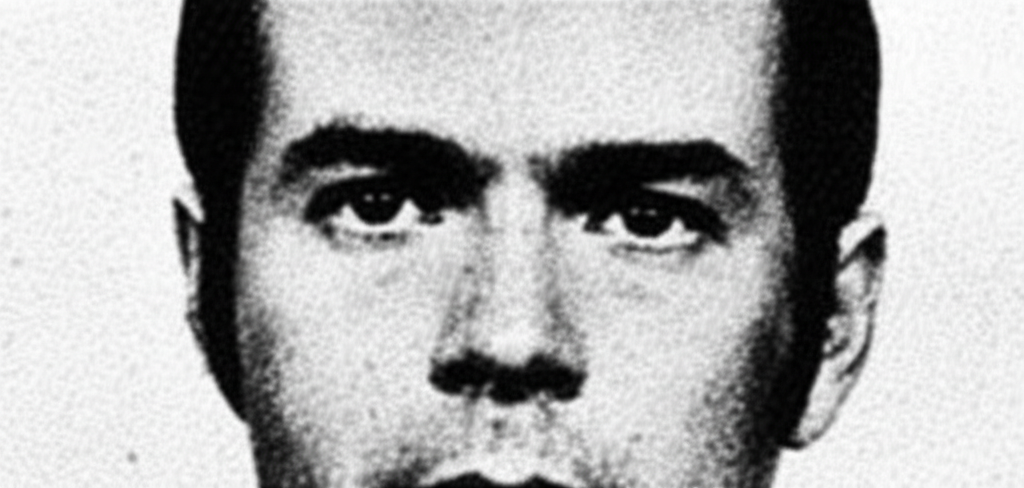
George Fitzsimmons (Serial Killer)
Serial Killer Case
CLASSIFICATION: Serial Homicide
LOCATION
Roulette, Pennsylvania
TIME PERIOD
1969-1973
VICTIMS
4 confirmed
Pennsylvania, George Kearon Joseph Fitzsimmons, known as "The Karate Chop Killer," was convicted of murdering his uncle and aunt in Roulette, Pennsylvania, in 1973, following his earlier conviction for the 1969 parricide of his parents in Eggertsville, New York. Fitzsimmons was apprehended on November 18, 1973, and represented by notable attorney F. Lee Bailey during his trial, where he was sentenced to life imprisonment. He served his sentence at the State Correctional Institution in Dallas, Pennsylvania, until his death in October 1999. Significant evidence included forensic analysis linking Fitzsimmons to the crime scenes and his documented history of mental illness and violent behavior, which played a crucial role in his convictions.
George Fitzsimmons is believed to have committed his murders under the influence of severe mental health issues exacerbated by drug addiction, particularly amphetamines. Some speculate that his training in karate may have influenced his choice of murder methods, leading to his nickname "The Karate Chop Killer." Additionally, there are theories suggesting that his violent tendencies may have been rooted in unresolved trauma from his childhood and military service.
The Dark Path of George Fitzsimmons: From Karate Enthusiast to Infamous Killer
In the annals of American crime, few stories are as chilling as that of George Kearon Joseph Fitzsimmons. Born on May 7, 1936, in Cleveland, Ohio, Fitzsimmons would become notorious as "The Karate Chop Killer" and "The Buffalo Ripper," leaving an indelible mark on the history of serial killers in the United States. Known for his expertise in karate and his violent tendencies, Fitzsimmons' life was a descent into madness and murder that spanned from 1969 to 1973, culminating in a life sentence he served until his death in 1999.
Early Life and Military Service
George Fitzsimmons was the sole offspring of William and Pearl Fitzsimmons (née Tate). Little is documented about his early years, but it is known that Fitzsimmons dropped out of college during his teenage years. Seeking new directions, he enlisted in the Army and found himself stationed in Korea. There, he immersed himself in martial arts, particularly karate, a skill that would later earn him his infamous moniker. However, his time in the military also marked the beginning of a troubling addiction to amphetamines. This addiction triggered violent outbursts, mental breakdowns, and auditory hallucinations that would shadow him for life.
In a desperate attempt to help their son, Fitzsimmons' parents committed him to Buffalo State Hospital. After an unspecified duration, he was released and attempted to lead a normal life, working as a lifeguard at a local YMCA. Yet, the shadows of his past loomed, leading him back to his parents' home in Eggertsville, New York. There, his prowess in karate became well-known among the locals.
The Tragic Events of January 1969
The calm facade shattered on January 12, 1969. An argument over attending church escalated into violence, and Fitzsimmons, in a fit of rage, brutally ended the lives of his parents. Using a souvenir tomahawk and his martial arts skills, he bludgeoned them to death. He then fled the scene in his father's car, seeking refuge in Attleboro, Massachusetts. The gruesome discovery of the bodies by concerned neighbors did not occur until January 21, setting off a manhunt.
Fitzsimmons' flight took him to Altamont, Illinois, where he attempted to access his bank funds via telegram. The bank, alerted to his fugitive status, informed the police, leading to his apprehension. Extradited back to New York, Fitzsimmons faced two counts of murder. Despite attempts by his defense to downgrade the charges to manslaughter, the presiding Justice Edward Robinson stood firm. At trial, Fitzsimmons was declared a paranoid schizophrenic, resulting in his acquittal on murder charges and a return to Buffalo State Hospital. The legal technicality that left him innocent allowed him to inherit his parents’ $123,000 estate, sparking public outrage.
A New Chapter: Release and Further Violence
Fitzsimmons' release from psychiatric care came after less than three years. A panel of doctors deemed him no longer a threat, citing his exemplary behavior. Newly married to Beverly, a woman he met during his hospital stay, Fitzsimmons relocated to Coudersport, Pennsylvania. However, this fresh start soured rapidly. Fitzsimmons assaulted Beverly severely enough to require hospitalization. Despite this, he faced only a simple assault charge, as Beverly opted not to press charges.
Ignoring his lawyer's advice to return to psychiatric care, Fitzsimmons moved in with his elderly aunt and uncle, Euphresia and DeAlton Nichols, in Roulette, Pennsylvania. Paranoid delusions took hold, convincing him that his relatives were poisoning him. These delusions culminated in a brutal confrontation, where Fitzsimmons stabbed DeAlton twice in the heart and then chased Euphresia into the kitchen, where he killed her. Afterward, he drove to Buffalo, contacted his lawyer, and calmly awaited arrest.
Trial and Imprisonment
On November 18, 1973, Fitzsimmons was apprehended and held without bail. The subsequent grand jury indictment charged him with the murders of his aunt and uncle. His wife filed for divorce and a battery lawsuit. With inheritance funds, Fitzsimmons hired the famed attorney F. Lee Bailey, who successfully petitioned for a change of trial venue to Greensburg, away from local bias.
The trial was a spectacle, with both sides presenting psychiatric testimony. Although Bailey's team hinted at an insanity defense, Fitzsimmons complicated matters by denying his mental illness and claiming he was out walking during the murders. This assertion was undermined by recorded confessions to the police. The jury, swayed by the evidence and perhaps the mixed impressions left by Bailey, convicted Fitzsimmons, sentencing him to two life terms.
Fitzsimmons' life behind bars was tumultuous initially, but over time, he became a withdrawn figure, lost in his own mutterings. He spent his remaining years at the State Correctional Institution – Dallas in Jackson Township, Pennsylvania, where he succumbed to cancer in October 1999.
Legacy and Reflections
Decades after his death, F. Lee Bailey, reflecting on his career, admitted to EndeavorNews that he had feared for his life while representing Fitzsimmons. The case of George Fitzsimmons remains a haunting chapter in the annals of crime, a chilling reminder of the thin line between sanity and madness, and the devastating impact of untreated mental illness.
Sources
For further reading, please refer to the Wikipedia article on George Fitzsimmons.
No Recent News
No recent news articles found for this case. Check back later for updates.
No Evidence Submitted
No evidence found for this case. Be the first to submit evidence in the comments below.
Join the discussion
Loading comments...
Parents Murdered
George Fitzsimmons murders his parents using a tomahawk and karate chops.
Bodies Discovered
The bodies of Fitzsimmons' parents are discovered by neighbors.
Arrested
Fitzsimmons is apprehended in Altamont, Illinois after attempting to transfer money.
Found Insane
Fitzsimmons is ruled a paranoid schizophrenic and acquitted of murder charges.
Aunt and Uncle Murdered
Fitzsimmons murders his aunt and uncle in Roulette, Pennsylvania.
Charged with Murders
Fitzsimmons is officially charged with the murders of his aunt and uncle.
Trial Verdict
Fitzsimmons is found guilty of the murders and sentenced to two life terms.
Death
George Fitzsimmons dies of cancer while serving his sentence.
Pennsylvania, George Kearon Joseph Fitzsimmons, known as "The Karate Chop Killer," was convicted of murdering his uncle and aunt in Roulette, Pennsylvania, in 1973, following his earlier conviction for the 1969 parricide of his parents in Eggertsville, New York. Fitzsimmons was apprehended on November 18, 1973, and represented by notable attorney F. Lee Bailey during his trial, where he was sentenced to life imprisonment. He served his sentence at the State Correctional Institution in Dallas, Pennsylvania, until his death in October 1999. Significant evidence included forensic analysis linking Fitzsimmons to the crime scenes and his documented history of mental illness and violent behavior, which played a crucial role in his convictions.
George Fitzsimmons is believed to have committed his murders under the influence of severe mental health issues exacerbated by drug addiction, particularly amphetamines. Some speculate that his training in karate may have influenced his choice of murder methods, leading to his nickname "The Karate Chop Killer." Additionally, there are theories suggesting that his violent tendencies may have been rooted in unresolved trauma from his childhood and military service.
The Dark Path of George Fitzsimmons: From Karate Enthusiast to Infamous Killer
In the annals of American crime, few stories are as chilling as that of George Kearon Joseph Fitzsimmons. Born on May 7, 1936, in Cleveland, Ohio, Fitzsimmons would become notorious as "The Karate Chop Killer" and "The Buffalo Ripper," leaving an indelible mark on the history of serial killers in the United States. Known for his expertise in karate and his violent tendencies, Fitzsimmons' life was a descent into madness and murder that spanned from 1969 to 1973, culminating in a life sentence he served until his death in 1999.
Early Life and Military Service
George Fitzsimmons was the sole offspring of William and Pearl Fitzsimmons (née Tate). Little is documented about his early years, but it is known that Fitzsimmons dropped out of college during his teenage years. Seeking new directions, he enlisted in the Army and found himself stationed in Korea. There, he immersed himself in martial arts, particularly karate, a skill that would later earn him his infamous moniker. However, his time in the military also marked the beginning of a troubling addiction to amphetamines. This addiction triggered violent outbursts, mental breakdowns, and auditory hallucinations that would shadow him for life.
In a desperate attempt to help their son, Fitzsimmons' parents committed him to Buffalo State Hospital. After an unspecified duration, he was released and attempted to lead a normal life, working as a lifeguard at a local YMCA. Yet, the shadows of his past loomed, leading him back to his parents' home in Eggertsville, New York. There, his prowess in karate became well-known among the locals.
The Tragic Events of January 1969
The calm facade shattered on January 12, 1969. An argument over attending church escalated into violence, and Fitzsimmons, in a fit of rage, brutally ended the lives of his parents. Using a souvenir tomahawk and his martial arts skills, he bludgeoned them to death. He then fled the scene in his father's car, seeking refuge in Attleboro, Massachusetts. The gruesome discovery of the bodies by concerned neighbors did not occur until January 21, setting off a manhunt.
Fitzsimmons' flight took him to Altamont, Illinois, where he attempted to access his bank funds via telegram. The bank, alerted to his fugitive status, informed the police, leading to his apprehension. Extradited back to New York, Fitzsimmons faced two counts of murder. Despite attempts by his defense to downgrade the charges to manslaughter, the presiding Justice Edward Robinson stood firm. At trial, Fitzsimmons was declared a paranoid schizophrenic, resulting in his acquittal on murder charges and a return to Buffalo State Hospital. The legal technicality that left him innocent allowed him to inherit his parents’ $123,000 estate, sparking public outrage.
A New Chapter: Release and Further Violence
Fitzsimmons' release from psychiatric care came after less than three years. A panel of doctors deemed him no longer a threat, citing his exemplary behavior. Newly married to Beverly, a woman he met during his hospital stay, Fitzsimmons relocated to Coudersport, Pennsylvania. However, this fresh start soured rapidly. Fitzsimmons assaulted Beverly severely enough to require hospitalization. Despite this, he faced only a simple assault charge, as Beverly opted not to press charges.
Ignoring his lawyer's advice to return to psychiatric care, Fitzsimmons moved in with his elderly aunt and uncle, Euphresia and DeAlton Nichols, in Roulette, Pennsylvania. Paranoid delusions took hold, convincing him that his relatives were poisoning him. These delusions culminated in a brutal confrontation, where Fitzsimmons stabbed DeAlton twice in the heart and then chased Euphresia into the kitchen, where he killed her. Afterward, he drove to Buffalo, contacted his lawyer, and calmly awaited arrest.
Trial and Imprisonment
On November 18, 1973, Fitzsimmons was apprehended and held without bail. The subsequent grand jury indictment charged him with the murders of his aunt and uncle. His wife filed for divorce and a battery lawsuit. With inheritance funds, Fitzsimmons hired the famed attorney F. Lee Bailey, who successfully petitioned for a change of trial venue to Greensburg, away from local bias.
The trial was a spectacle, with both sides presenting psychiatric testimony. Although Bailey's team hinted at an insanity defense, Fitzsimmons complicated matters by denying his mental illness and claiming he was out walking during the murders. This assertion was undermined by recorded confessions to the police. The jury, swayed by the evidence and perhaps the mixed impressions left by Bailey, convicted Fitzsimmons, sentencing him to two life terms.
Fitzsimmons' life behind bars was tumultuous initially, but over time, he became a withdrawn figure, lost in his own mutterings. He spent his remaining years at the State Correctional Institution – Dallas in Jackson Township, Pennsylvania, where he succumbed to cancer in October 1999.
Legacy and Reflections
Decades after his death, F. Lee Bailey, reflecting on his career, admitted to EndeavorNews that he had feared for his life while representing Fitzsimmons. The case of George Fitzsimmons remains a haunting chapter in the annals of crime, a chilling reminder of the thin line between sanity and madness, and the devastating impact of untreated mental illness.
Sources
For further reading, please refer to the Wikipedia article on George Fitzsimmons.
No Recent News
No recent news articles found for this case. Check back later for updates.
No Evidence Submitted
No evidence found for this case. Be the first to submit evidence in the comments below.
Join the discussion
Loading comments...
Parents Murdered
George Fitzsimmons murders his parents using a tomahawk and karate chops.
Bodies Discovered
The bodies of Fitzsimmons' parents are discovered by neighbors.
Arrested
Fitzsimmons is apprehended in Altamont, Illinois after attempting to transfer money.
Found Insane
Fitzsimmons is ruled a paranoid schizophrenic and acquitted of murder charges.
Aunt and Uncle Murdered
Fitzsimmons murders his aunt and uncle in Roulette, Pennsylvania.
Charged with Murders
Fitzsimmons is officially charged with the murders of his aunt and uncle.
Trial Verdict
Fitzsimmons is found guilty of the murders and sentenced to two life terms.
Death
George Fitzsimmons dies of cancer while serving his sentence.