George Lamar Jones
Milwaukee Serial Killer Case
CLASSIFICATION: Serial Homicide
LOCATION
Milwaukee, Wisconsin
TIME PERIOD
1993-1997
VICTIMS
3 confirmed
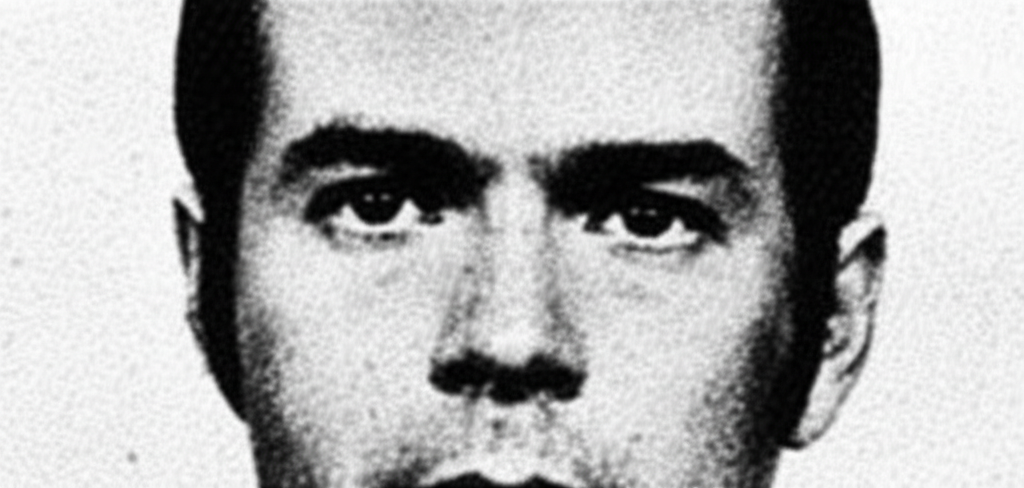
George Lamar Jones, an American serial killer, was active in Milwaukee, Wisconsin, from 1993 to 1997, where he killed at least two women, including 24-year-old Shameika Carter, whose body was discovered on November 19, 1997. Jones, who had previously been convicted of murder in Mississippi in 1972, was arrested on November 24, 1997, after being identified as a prime suspect in Carter's murder. He was sentenced to life imprisonment without the possibility of parole for his crimes and remained incarcerated until his death on April 30, 2012, at the Dodge Correctional Institution in Waupun, Wisconsin. Significant evidence linking Jones to the murders included his history of violence, connections to the victims, and the circumstances surrounding Carter's death, which prompted a broader investigation into a series of similar cases in the area.
Investigators and the public speculate that George Lamar Jones may have been influenced by his history of mental health issues, particularly epilepsy, which could have affected his behavior during his crimes. There is also a belief that his criminal activities coincided with those of another serial killer, Walter E. Ellis, leading to discussions about whether they may have had any connection or if the public's fear was heightened due to the overlapping timelines. Additionally, some theorize that Jones's drug addiction played a significant role in his violent behavior and choice of victims.
The Troubled Path of George Lamar Jones
The Early Life and First Murder
In the shadowy world of crime, George Lamar Jones carved out a grim legacy as an American serial killer. Born in Mississippi in 1945, little is known about Jones' early life. He first emerged on the criminal scene in 1972 with the murder of Correne Jones. On June 10, 1972, this heinous act set the stage for a lifetime of violence. Under the alias George Lee Jones, he faced murder charges in Greenwood, Mississippi. The potential sentence of 20 years loomed large over him. However, his attorney presented a defense that would alter the course of his fate: Jones had been afflicted by epilepsy since birth, a condition that purportedly influenced his behavior during the crime. This argument led prosecutors to offer a plea bargain. Jones pleaded guilty to a lesser charge of manslaughter, receiving a five-year prison sentence.
Upon serving his sentence, Jones sought a fresh start in Milwaukee, Wisconsin. However, instead of a new beginning, he fell into a vicious cycle of drug addiction and petty crime, often finding himself behind bars. During his brief periods of freedom, he worked as a handyman, spending his spare time with prostitutes, hinting at the dark path he would soon traverse.
The Murder of Shameika Carter
Milwaukee, from 1986 to 2007, was a city haunted by a string of brutal murders. Many victims were young women and teenagers, often prostitutes or drug addicts, found raped and strangled. The police, suspecting a serial killer, collaborated with the FBI to connect these tragic cases. Among them was Shameika Carter, a 24-year-old prostitute. Her body was discovered on November 19, 1997, discarded on a pile of garbage. Just five days later, Jones was arrested as the prime suspect. Initially, the police withheld his identity, probing his possible connections to other unsolved murders.
During the investigation, Jones recounted his last encounter with Carter. He met her at a drug dealer's house and offered to accompany her to buy marijuana. They returned to his home to smoke. According to Jones, a refusal to engage in sex led to them smoking marijuana laced with cocaine. The mix induced a headache and, coupled with Carter's mocking of his inability to perform sexually, he snapped. The confrontation ended with Carter's tragic death. Jones confessed to choking her, leading to charges of first-degree murder and a bail set at $500,000.
Trial and Incarceration
As Jones awaited trial, his attorney announced a plea of insanity, invoking his client's epilepsy, which had previously secured a reduced sentence. However, prosecutors countered this claim, highlighting Jones' intelligence and ability to lie during a polygraph test. To assess his competency, he underwent a psychiatric evaluation by experts, including George Palermo, known for examining Jeffrey Dahmer. Declared sane, both Jones and his attorney were barred from media interactions by Justice Diane Syes to prevent jury bias.
While awaiting trial, authorities scrutinized Jones for potential links to other murders: Vernell Jeter in February 1990, Mary Lee Harris in September 1993, and Joyce Mims in 1992. Jones admitted to sexual encounters with Jeter and Mims but denied involvement in their murders and claimed never to have met Harris, whose body was found near his home.
In July 1998, Jones pleaded no contest to the murder charges, expressing a desire to avoid a trial he doubted he would survive. Consequently, he received a life sentence without parole. Jones later appealed, arguing unlawful detainment duration after his arrest, but the court dismissed this plea in 2001.
The Link to Previous Murders and Death
In a twist of fate, a 2010 cold case review by the Milwaukee Police Department linked Jones' DNA to the murder of Mary Lee Harris. During interrogation, he recanted previous statements, admitting Harris had visited his home to smoke crack cocaine. A verbal altercation escalated into violence, resulting in Jones choking Harris to death. In a panic, he placed her body in a garbage cart, which he rolled to a nearby apartment for sanitation pickup. These revelations led to a first-degree reckless homicide charge and another life sentence.
Jones continued serving his sentences at the Dodge Correctional Institution in Waupun until his death from natural causes on April 30, 2012. Initially, there was confusion linking his death to Walter E. Ellis, the notorious "Milwaukee North Side Strangler," whose DNA connected him to numerous murders between 1986 and 2007. As of March 2025, no further victims have been definitively linked to Jones. The Jeter and Mims homicides were later solved and determined to be unrelated.
Sources
No Recent News
No recent news articles found for this case. Check back later for updates.
No Evidence Submitted
No evidence found for this case. Be the first to submit evidence in the comments below.
Join the discussion
Loading comments...
First Murder Committed
George Lamar Jones murders Correne Jones in Mississippi.
Sentenced for Manslaughter
Jones pleads guilty to manslaughter, sentenced to five years.
Murder of Shameika Carter
Body of Shameika Carter found, leading to investigation.
Jones Arrested
George Lamar Jones arrested as prime suspect in Carter's murder.
Pleads No Contest
Jones pleads no contest to murder charges, avoiding trial.
Sentenced to Life
Jones sentenced to life imprisonment without parole.
DNA Links to Harris
Jones' DNA linked to the murder of Mary Lee Harris.
Death in Prison
George Lamar Jones dies from natural causes in prison.
George Lamar Jones, an American serial killer, was active in Milwaukee, Wisconsin, from 1993 to 1997, where he killed at least two women, including 24-year-old Shameika Carter, whose body was discovered on November 19, 1997. Jones, who had previously been convicted of murder in Mississippi in 1972, was arrested on November 24, 1997, after being identified as a prime suspect in Carter's murder. He was sentenced to life imprisonment without the possibility of parole for his crimes and remained incarcerated until his death on April 30, 2012, at the Dodge Correctional Institution in Waupun, Wisconsin. Significant evidence linking Jones to the murders included his history of violence, connections to the victims, and the circumstances surrounding Carter's death, which prompted a broader investigation into a series of similar cases in the area.
Investigators and the public speculate that George Lamar Jones may have been influenced by his history of mental health issues, particularly epilepsy, which could have affected his behavior during his crimes. There is also a belief that his criminal activities coincided with those of another serial killer, Walter E. Ellis, leading to discussions about whether they may have had any connection or if the public's fear was heightened due to the overlapping timelines. Additionally, some theorize that Jones's drug addiction played a significant role in his violent behavior and choice of victims.
The Troubled Path of George Lamar Jones
The Early Life and First Murder
In the shadowy world of crime, George Lamar Jones carved out a grim legacy as an American serial killer. Born in Mississippi in 1945, little is known about Jones' early life. He first emerged on the criminal scene in 1972 with the murder of Correne Jones. On June 10, 1972, this heinous act set the stage for a lifetime of violence. Under the alias George Lee Jones, he faced murder charges in Greenwood, Mississippi. The potential sentence of 20 years loomed large over him. However, his attorney presented a defense that would alter the course of his fate: Jones had been afflicted by epilepsy since birth, a condition that purportedly influenced his behavior during the crime. This argument led prosecutors to offer a plea bargain. Jones pleaded guilty to a lesser charge of manslaughter, receiving a five-year prison sentence.
Upon serving his sentence, Jones sought a fresh start in Milwaukee, Wisconsin. However, instead of a new beginning, he fell into a vicious cycle of drug addiction and petty crime, often finding himself behind bars. During his brief periods of freedom, he worked as a handyman, spending his spare time with prostitutes, hinting at the dark path he would soon traverse.
The Murder of Shameika Carter
Milwaukee, from 1986 to 2007, was a city haunted by a string of brutal murders. Many victims were young women and teenagers, often prostitutes or drug addicts, found raped and strangled. The police, suspecting a serial killer, collaborated with the FBI to connect these tragic cases. Among them was Shameika Carter, a 24-year-old prostitute. Her body was discovered on November 19, 1997, discarded on a pile of garbage. Just five days later, Jones was arrested as the prime suspect. Initially, the police withheld his identity, probing his possible connections to other unsolved murders.
During the investigation, Jones recounted his last encounter with Carter. He met her at a drug dealer's house and offered to accompany her to buy marijuana. They returned to his home to smoke. According to Jones, a refusal to engage in sex led to them smoking marijuana laced with cocaine. The mix induced a headache and, coupled with Carter's mocking of his inability to perform sexually, he snapped. The confrontation ended with Carter's tragic death. Jones confessed to choking her, leading to charges of first-degree murder and a bail set at $500,000.
Trial and Incarceration
As Jones awaited trial, his attorney announced a plea of insanity, invoking his client's epilepsy, which had previously secured a reduced sentence. However, prosecutors countered this claim, highlighting Jones' intelligence and ability to lie during a polygraph test. To assess his competency, he underwent a psychiatric evaluation by experts, including George Palermo, known for examining Jeffrey Dahmer. Declared sane, both Jones and his attorney were barred from media interactions by Justice Diane Syes to prevent jury bias.
While awaiting trial, authorities scrutinized Jones for potential links to other murders: Vernell Jeter in February 1990, Mary Lee Harris in September 1993, and Joyce Mims in 1992. Jones admitted to sexual encounters with Jeter and Mims but denied involvement in their murders and claimed never to have met Harris, whose body was found near his home.
In July 1998, Jones pleaded no contest to the murder charges, expressing a desire to avoid a trial he doubted he would survive. Consequently, he received a life sentence without parole. Jones later appealed, arguing unlawful detainment duration after his arrest, but the court dismissed this plea in 2001.
The Link to Previous Murders and Death
In a twist of fate, a 2010 cold case review by the Milwaukee Police Department linked Jones' DNA to the murder of Mary Lee Harris. During interrogation, he recanted previous statements, admitting Harris had visited his home to smoke crack cocaine. A verbal altercation escalated into violence, resulting in Jones choking Harris to death. In a panic, he placed her body in a garbage cart, which he rolled to a nearby apartment for sanitation pickup. These revelations led to a first-degree reckless homicide charge and another life sentence.
Jones continued serving his sentences at the Dodge Correctional Institution in Waupun until his death from natural causes on April 30, 2012. Initially, there was confusion linking his death to Walter E. Ellis, the notorious "Milwaukee North Side Strangler," whose DNA connected him to numerous murders between 1986 and 2007. As of March 2025, no further victims have been definitively linked to Jones. The Jeter and Mims homicides were later solved and determined to be unrelated.
Sources
No Recent News
No recent news articles found for this case. Check back later for updates.
No Evidence Submitted
No evidence found for this case. Be the first to submit evidence in the comments below.
Join the discussion
Loading comments...
First Murder Committed
George Lamar Jones murders Correne Jones in Mississippi.
Sentenced for Manslaughter
Jones pleads guilty to manslaughter, sentenced to five years.
Murder of Shameika Carter
Body of Shameika Carter found, leading to investigation.
Jones Arrested
George Lamar Jones arrested as prime suspect in Carter's murder.
Pleads No Contest
Jones pleads no contest to murder charges, avoiding trial.
Sentenced to Life
Jones sentenced to life imprisonment without parole.
DNA Links to Harris
Jones' DNA linked to the murder of Mary Lee Harris.
Death in Prison
George Lamar Jones dies from natural causes in prison.