James B. Grinder
Arkansas Serial Killer Case
CLASSIFICATION: Serial Homicide
LOCATION
Arkansas, United States
TIME PERIOD
1976-1984
VICTIMS
4 confirmed
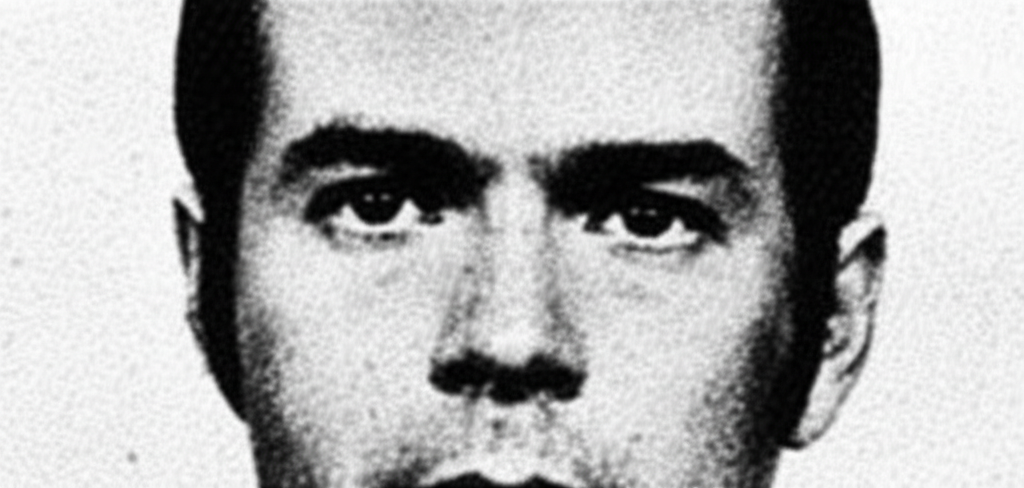
James B. Grinder, an American serial killer, was responsible for the murders of three teenage girls in Arkansas and one woman in Missouri between 1976 and 1984. The incidents occurred on December 2, 1976, when he abducted and killed Teresa Williams, 13, Crystal Donita Parton, 14, and Cynthia Mabry, 13, in Russellville, Arkansas, and later on January 8, 1984, when he murdered Julianne Helton, 25, in Macon County, Missouri. Grinder was not apprehended until March 1998, following his confession, but initial investigations lacked sufficient evidence to charge him. He was ultimately convicted in 1999 and sentenced to life imprisonment, where he remained until his death in 2010. Key evidence included the use of brain fingerprinting, which helped establish his guilt despite the absence of physical evidence linking him directly to the crime scenes.
Some believe that Grinder may have had additional undiscovered victims, as the nature of his crimes suggests a pattern that could extend beyond the confirmed cases. Others speculate that his confession in 1998 might have been influenced by a desire for notoriety or manipulation of the legal system, given the lack of substantial evidence against him at the time. Additionally, there are theories suggesting that Grinder's criminal behavior could have been influenced by his tumultuous personal life and relationships.
The Dark Chronicles of James B. Grinder
A Shadowy Trail
James B. Grinder’s life, stretching from 1945 to 2010, casts a long and grim shadow over the American Midwest. Known for his heinous acts, Grinder was a serial killer and rapist who took the lives of four young women between 1976 and 1984. His chilling crimes remained unsolved for decades until his eventual confession in 1998. Despite the passage of time, the evidence was sparse, prompting authorities to turn to an innovative technique known as brain fingerprinting to secure his conviction. In 1999, Grinder was sentenced to spend the remainder of his life behind bars, where he remained until his death in 2010.
Early Life and Move to Missouri
Born in 1945, James B. Grinder's life was marked by tumult. In 1980, he welcomed a daughter into the world, but his relationship with her mother quickly unraveled. Seeking a fresh start, Grinder relocated to Macon County, Missouri, a move that would later intertwine his fate with that of his victims.
The Murders
The Tragic Event of December 1976
On a cold December 2nd in 1976, three young girls—Teresa Williams, 13, Crystal Donita Parton, 14, and Cynthia Mabry, 13—vanished from Russellville, Arkansas. Their tragic fate began when they accepted a ride from Grinder, who lured them with the promise of alcohol. After procuring the drinks in Morrilton, Grinder drove them to the secluded Brock Cemetery. There, he raped Williams and Parton, strangled them, and stabbed their necks, hiding their lifeless bodies under nearby brush. Cynthia Mabry, still alive, was taken deeper into the woods, where Grinder attempted to kill her with a soda bottle. When she clung to life, he finished the grisly act with a tire iron.
Grinder returned home around midnight, recounting the tale of the missing girls to his girlfriend and asking her to provide an alibi. He even handed her $200. A week later, he revisited the cemetery to conceal the bodies of Williams and Parton further.
Despite suspicions, Grinder managed to evade immediate capture. Teresa Williams’ cousin had seen him with the girls, but Grinder claimed he dropped them off at a highway exit. With the remains undiscovered and an alibi in place, authorities initially believed the girls had run away. A decade later, a hunter stumbled upon the skeletal remains of Williams and Parton. Cynthia Mabry’s body was never found.
The Murder of Julianne Helton
In the early hours of January 8, 1984, Julianne Helton's car was discovered abandoned at a junction in Macon County, Missouri. She had failed to return from a New Cambria party, prompting a missing persons report by her concerned parents. Investigators suspected foul play from the start, noting sabotage to her vehicle. A massive search effort ensued across Macon and Linn counties. Just three days later, her body was found near the Santa Fe railroad tracks. The grim discovery revealed Helton had been raped, beaten, and stabbed, her hands bound with baling twine, and her right hand showing signs of a desperate struggle. Her purse and the murder weapon were nowhere to be found.
The Arrest and Trial
In March 1998, Grinder's criminal activities finally caught up with him. Arrested for burglary alongside two others, his involvement in Julianne Helton's murder resurfaced. Although long suspected, concrete evidence had been elusive until now. Offered a plea deal, Grinder confessed to Helton’s murder. This confession prompted Russellville police to question him about the unsolved murders of Teresa Williams, Crystal Parton, and Cynthia Mabry. Grinder admitted to these crimes, revealing details only the true perpetrator could know.
However, inconsistencies marred his confession regarding Helton's murder, creating a dilemma for investigators. In a bid to solidify their case, Sheriff Robert Dawson turned to Dr. Lawrence Farwell, the pioneer of brain fingerprinting. Grinder, strapped to the device, faced a barrage of questions about the crime. His brain waves indicated knowledge of details exclusive to the murderer. Six days post-test, Grinder pleaded guilty to Helton’s murder, receiving a life sentence. Subsequently extradited to Arkansas, he confessed to the triple murder, earning another life sentence.
The End of a Dark Chapter
In 2010, James B. Grinder died in prison, closing the chapter on a life of violence and fear. His death marked the end of a sinister tale that spanned decades and devastated families across state lines.
Sources
- Newton, Michael (2006). The Encyclopedia of Serial Killers. Infobase Publishing.
- McCaslin, Dennis (July 5, 2020). "Pope County woman says she still loved her father despite his dark and sinister crimes". Today in Fort Smith.
- Ramsland, Katherine (2009). The Devil's Dozen: How Cutting-Edge Forensics Took Down 12 Notorious Serial Killers. Penguin.
- Brandom, Russell (February 2, 2015). "Is 'brain fingerprinting' a breakthrough or a sham?". The Verge.
For more details, visit the Wikipedia page for James B. Grinder.
No Recent News
No recent news articles found for this case. Check back later for updates.
No Evidence Submitted
No evidence found for this case. Be the first to submit evidence in the comments below.
Join the discussion
Loading comments...
Triple Murder of Teenage Girls
James B. Grinder abducts and murders Teresa Williams, Crystal Parton, and Cynthia Mabry in Arkansas.
Julianne Helton Goes Missing
Julianne Helton's car is found abandoned, leading to a search for her after she fails to return home.
Julianne Helton's Body Found
The body of Julianne Helton is discovered, showing signs of rape and murder.
Grinder's Arrest
James B. Grinder is arrested for burglary, leading to his confession of multiple murders.
Confession to Murders
Grinder confesses to the murders of Julianne Helton, Teresa Williams, Crystal Parton, and Cynthia Mabry.
Brain Fingerprinting Test
Grinder undergoes brain fingerprinting, revealing knowledge of the murders that only the perpetrator would know.
Guilty Plea for Helton's Murder
Grinder pleads guilty to the murder of Julianne Helton and is sentenced to life in prison.
Guilty Plea for Other Murders
Grinder pleads guilty to the murders of Teresa Williams, Crystal Parton, and Cynthia Mabry, receiving another life sentence.
Grinder Dies in Prison
James B. Grinder dies in prison from natural causes.
James B. Grinder, an American serial killer, was responsible for the murders of three teenage girls in Arkansas and one woman in Missouri between 1976 and 1984. The incidents occurred on December 2, 1976, when he abducted and killed Teresa Williams, 13, Crystal Donita Parton, 14, and Cynthia Mabry, 13, in Russellville, Arkansas, and later on January 8, 1984, when he murdered Julianne Helton, 25, in Macon County, Missouri. Grinder was not apprehended until March 1998, following his confession, but initial investigations lacked sufficient evidence to charge him. He was ultimately convicted in 1999 and sentenced to life imprisonment, where he remained until his death in 2010. Key evidence included the use of brain fingerprinting, which helped establish his guilt despite the absence of physical evidence linking him directly to the crime scenes.
Some believe that Grinder may have had additional undiscovered victims, as the nature of his crimes suggests a pattern that could extend beyond the confirmed cases. Others speculate that his confession in 1998 might have been influenced by a desire for notoriety or manipulation of the legal system, given the lack of substantial evidence against him at the time. Additionally, there are theories suggesting that Grinder's criminal behavior could have been influenced by his tumultuous personal life and relationships.
The Dark Chronicles of James B. Grinder
A Shadowy Trail
James B. Grinder’s life, stretching from 1945 to 2010, casts a long and grim shadow over the American Midwest. Known for his heinous acts, Grinder was a serial killer and rapist who took the lives of four young women between 1976 and 1984. His chilling crimes remained unsolved for decades until his eventual confession in 1998. Despite the passage of time, the evidence was sparse, prompting authorities to turn to an innovative technique known as brain fingerprinting to secure his conviction. In 1999, Grinder was sentenced to spend the remainder of his life behind bars, where he remained until his death in 2010.
Early Life and Move to Missouri
Born in 1945, James B. Grinder's life was marked by tumult. In 1980, he welcomed a daughter into the world, but his relationship with her mother quickly unraveled. Seeking a fresh start, Grinder relocated to Macon County, Missouri, a move that would later intertwine his fate with that of his victims.
The Murders
The Tragic Event of December 1976
On a cold December 2nd in 1976, three young girls—Teresa Williams, 13, Crystal Donita Parton, 14, and Cynthia Mabry, 13—vanished from Russellville, Arkansas. Their tragic fate began when they accepted a ride from Grinder, who lured them with the promise of alcohol. After procuring the drinks in Morrilton, Grinder drove them to the secluded Brock Cemetery. There, he raped Williams and Parton, strangled them, and stabbed their necks, hiding their lifeless bodies under nearby brush. Cynthia Mabry, still alive, was taken deeper into the woods, where Grinder attempted to kill her with a soda bottle. When she clung to life, he finished the grisly act with a tire iron.
Grinder returned home around midnight, recounting the tale of the missing girls to his girlfriend and asking her to provide an alibi. He even handed her $200. A week later, he revisited the cemetery to conceal the bodies of Williams and Parton further.
Despite suspicions, Grinder managed to evade immediate capture. Teresa Williams’ cousin had seen him with the girls, but Grinder claimed he dropped them off at a highway exit. With the remains undiscovered and an alibi in place, authorities initially believed the girls had run away. A decade later, a hunter stumbled upon the skeletal remains of Williams and Parton. Cynthia Mabry’s body was never found.
The Murder of Julianne Helton
In the early hours of January 8, 1984, Julianne Helton's car was discovered abandoned at a junction in Macon County, Missouri. She had failed to return from a New Cambria party, prompting a missing persons report by her concerned parents. Investigators suspected foul play from the start, noting sabotage to her vehicle. A massive search effort ensued across Macon and Linn counties. Just three days later, her body was found near the Santa Fe railroad tracks. The grim discovery revealed Helton had been raped, beaten, and stabbed, her hands bound with baling twine, and her right hand showing signs of a desperate struggle. Her purse and the murder weapon were nowhere to be found.
The Arrest and Trial
In March 1998, Grinder's criminal activities finally caught up with him. Arrested for burglary alongside two others, his involvement in Julianne Helton's murder resurfaced. Although long suspected, concrete evidence had been elusive until now. Offered a plea deal, Grinder confessed to Helton’s murder. This confession prompted Russellville police to question him about the unsolved murders of Teresa Williams, Crystal Parton, and Cynthia Mabry. Grinder admitted to these crimes, revealing details only the true perpetrator could know.
However, inconsistencies marred his confession regarding Helton's murder, creating a dilemma for investigators. In a bid to solidify their case, Sheriff Robert Dawson turned to Dr. Lawrence Farwell, the pioneer of brain fingerprinting. Grinder, strapped to the device, faced a barrage of questions about the crime. His brain waves indicated knowledge of details exclusive to the murderer. Six days post-test, Grinder pleaded guilty to Helton’s murder, receiving a life sentence. Subsequently extradited to Arkansas, he confessed to the triple murder, earning another life sentence.
The End of a Dark Chapter
In 2010, James B. Grinder died in prison, closing the chapter on a life of violence and fear. His death marked the end of a sinister tale that spanned decades and devastated families across state lines.
Sources
- Newton, Michael (2006). The Encyclopedia of Serial Killers. Infobase Publishing.
- McCaslin, Dennis (July 5, 2020). "Pope County woman says she still loved her father despite his dark and sinister crimes". Today in Fort Smith.
- Ramsland, Katherine (2009). The Devil's Dozen: How Cutting-Edge Forensics Took Down 12 Notorious Serial Killers. Penguin.
- Brandom, Russell (February 2, 2015). "Is 'brain fingerprinting' a breakthrough or a sham?". The Verge.
For more details, visit the Wikipedia page for James B. Grinder.
No Recent News
No recent news articles found for this case. Check back later for updates.
No Evidence Submitted
No evidence found for this case. Be the first to submit evidence in the comments below.
Join the discussion
Loading comments...
Triple Murder of Teenage Girls
James B. Grinder abducts and murders Teresa Williams, Crystal Parton, and Cynthia Mabry in Arkansas.
Julianne Helton Goes Missing
Julianne Helton's car is found abandoned, leading to a search for her after she fails to return home.
Julianne Helton's Body Found
The body of Julianne Helton is discovered, showing signs of rape and murder.
Grinder's Arrest
James B. Grinder is arrested for burglary, leading to his confession of multiple murders.
Confession to Murders
Grinder confesses to the murders of Julianne Helton, Teresa Williams, Crystal Parton, and Cynthia Mabry.
Brain Fingerprinting Test
Grinder undergoes brain fingerprinting, revealing knowledge of the murders that only the perpetrator would know.
Guilty Plea for Helton's Murder
Grinder pleads guilty to the murder of Julianne Helton and is sentenced to life in prison.
Guilty Plea for Other Murders
Grinder pleads guilty to the murders of Teresa Williams, Crystal Parton, and Cynthia Mabry, receiving another life sentence.
Grinder Dies in Prison
James B. Grinder dies in prison from natural causes.