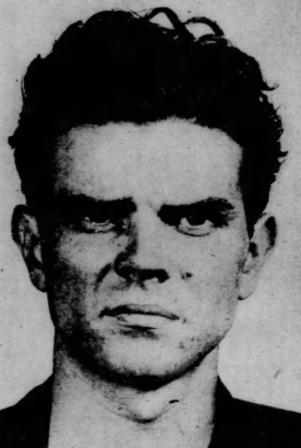
John Francis Roche
New York City Serial Killer
CLASSIFICATION: Serial Homicide
LOCATION
New York City, New York
TIME PERIOD
1953-1954
VICTIMS
4 confirmed
John Francis Roche, known as the "Devil of Yorkville," was an American serial killer who committed a series of brutal murders in the Yorkville district of New York City between 1953 and 1954. His confirmed victims include 85-year-old Rosa Chronik, whom he murdered during a burglary on November 15, 1953, and 17-year-old Marion Brown, whom he raped and killed on April 8, 1954. Roche was apprehended on June 5, 1954, and subsequently convicted of first-degree murder for the death of 14-year-old Dorothy Westwater, leading to his execution by electrocution at Sing Sing Prison on January 26, 1956. Despite claims of involvement in additional murders, he was only officially connected to four, with significant evidence including eyewitness accounts and forensic links to the crime scenes.
Investigators and the public speculate that Roche may have been involved in additional unsolved murders beyond the four he was convicted for, as he claimed responsibility for two other murders with overturned convictions. Some theories suggest that his troubled upbringing, marked by parental abuse and neglect, contributed to his violent behavior and criminal activities. Additionally, there is speculation about the possibility of a larger network of criminals operating in the Yorkville area during his crime spree, which may have influenced his actions.
The Devil of Yorkville: The Chilling Tale of John Francis Roche
John Francis "Jack" Roche, notorious as the "Devil of Yorkville," left an indelible mark on the history of American crime. Born on September 6, 1927, in Port Chester, New York, Roche's life spiraled into a dark saga of murder, burglary, and terror in the heart of New York City. Between 1953 and 1954, he claimed the lives of at least four individuals, with whispers of two additional victims, as his reign of terror unfolded in the bustling district of Yorkville.
Early Shadows: A Troubled Childhood
Roche's beginnings were fraught with turmoil. As one of three children born to Irish immigrant parents, his early years in New York City were marked by dysfunction and abuse. His father, Patrick, struggled with alcoholism and violence, while his mother resorted to prostitution to make ends meet. Psychological reports from the time reveal that young Roche spent significant periods in confinement, a prelude to the troubled path he would later tread.
By age 12, Roche had embarked on a path of petty crime, quickly escalating to more serious offenses that landed him on probation and eventually in a reformatory school at 13. His tumultuous adolescent years were marked by abandonment and escalating criminal activity, culminating in a stint for armed robbery in 1951. Released by July 1952, Roche would soon begin a spree of violence that would earn him his infamous moniker.
The Murders Begin
Confirmed Victims
The terror began on November 15, 1953, when Roche broke into the home of 85-year-old Rosa Chronik. Caught in the act, he panicked and stabbed her to death before fleeing the scene. This brutal act was but a precursor to the horrors that followed.
On April 8, 1954, 17-year-old Marion Brown fell victim to Roche's depravity. Stalking her through her apartment complex, he attacked and raped her in a secluded hallway before taking her life. Ironically, Roche's fiancée, Yolande Graspo, unaware of his monstrous deeds, called him that night, frightened by the news of Brown's murder. Roche, playing the part of the concerned partner, walked her home safely.
A week later, on April 16, Roche hailed a taxi driven by Alexander Jablonka, a 43-year-old man who would become his next victim. Using the same knife that had ended Brown's life, Roche stabbed Jablonka to death. Rumors began to swirl, suggesting a connection between these murders, though the police initially denied it to avoid public panic.
The violence peaked on June 2, when Roche brutally attacked 14-year-old Dorothy Westwater. He ambushed her as she left for school, stabbing her repeatedly before raping her and fracturing her skull with a lead pipe. Despite being found alive, Westwater succumbed to her injuries at the hospital, marking the end of Roche's confirmed killing spree.
Claimed Victims
Roche later claimed responsibility for two additional murders. On July 26, 1952, 23-year-old Josephine Brown was strangled in Queens. Although 18-year-old Oliver L. Freeman, known as "The Batman," was convicted for this crime, Roche's confession cast doubt on Freeman's guilt. Similarly, Roche confessed to the August 22, 1953, murder of sailor Edward Bates, for which Paul A. Pfeffer had been convicted and sentenced.
The Investigation Unfolds
The string of brutal murders unleashed a wave of fear in Yorkville. With authorities struggling to piece together the puzzle, residents took to accompanying young girls for protection. The media dubbed the elusive killer the "Devil of Yorkville," a name that would haunt the city until Roche's capture on June 5, 1954.
The arrest came after patrolman Gustave Roniger noticed Roche's erratic driving. Unable to produce a driver's license, Roche was taken into custody, where a blood-stained lead pipe, linked to Westwater’s murder, was discovered in the stolen car's trunk. Under interrogation, Roche confessed to six murders, including those attributed to Freeman and Pfeffer.
A Trial of Notoriety
Roche's arrest sparked public outcry for retrials of both Freeman and Pfeffer. However, Queens County District Attorney Vincent Quinn dismissed Roche's confessions regarding the latter two cases as "without basis in fact." Nevertheless, Pfeffer was granted a retrial, but Roche first faced trial for Dorothy Westwater's murder.
In court, Roche did not contest his guilt, expressing a desire for execution over imprisonment. He expressed regret only over Westwater's age, stating, "I am sorry... she was only 14. I thought she was 18." His attorney, James Murray, argued Roche's insanity, comparing his mind to "scrambled eggs." Despite his defense, the jury convicted Roche of first-degree murder without recommending mercy, setting his execution for August 24, 1955. However, his testimony was needed in Pfeffer's retrial, delaying his execution.
The Final Chapter: Execution
On January 26, 1956, Roche faced the electric chair at Sing Sing Prison. Before his execution, he admitted to fabricating his involvement in Bates' murder, feeling pity for Pfeffer due to their shared "seamy lives." That evening, he consumed his last meal of fried chicken, potatoes, and other delicacies, and met with a chaplain. At 11:01 p.m., he entered the death chamber, uttering no final words. The chair was activated for three minutes, and he was pronounced dead at 11:04 p.m.
Paul A. Pfeffer, the man whose fate intertwined with Roche's confessions, was paroled on November 27, 1972, for a different crime.
Sources
For further reading, please see the original article on Wikipedia.
No Recent News
No recent news articles found for this case. Check back later for updates.
No Evidence Submitted
No evidence found for this case. Be the first to submit evidence in the comments below.
Join the discussion
Loading comments...
First Confirmed Murder
John Roche stabs 85-year-old Rosa Chronik to death during a burglary.
Second Confirmed Murder
Roche rapes and murders 17-year-old Marion Brown in her apartment complex.
Third Confirmed Murder
Roche stabs taxi driver Alexander Jablonka to death.
Arrest of John Roche
Roche is arrested after being pulled over for erratic driving; evidence found links him to the murders.
Confession of Murders
Roche confesses to six murders, including those of Edward Bates and Josephine Brown.
Trial Begins
Roche's trial for the murder of Dorothy Westwater begins; he does not deny guilt.
Conviction
Roche is convicted of first-degree murder for the killing of Dorothy Westwater.
Execution
John Roche is executed by electric chair at Sing Sing Prison.
John Francis Roche, known as the "Devil of Yorkville," was an American serial killer who committed a series of brutal murders in the Yorkville district of New York City between 1953 and 1954. His confirmed victims include 85-year-old Rosa Chronik, whom he murdered during a burglary on November 15, 1953, and 17-year-old Marion Brown, whom he raped and killed on April 8, 1954. Roche was apprehended on June 5, 1954, and subsequently convicted of first-degree murder for the death of 14-year-old Dorothy Westwater, leading to his execution by electrocution at Sing Sing Prison on January 26, 1956. Despite claims of involvement in additional murders, he was only officially connected to four, with significant evidence including eyewitness accounts and forensic links to the crime scenes.
Investigators and the public speculate that Roche may have been involved in additional unsolved murders beyond the four he was convicted for, as he claimed responsibility for two other murders with overturned convictions. Some theories suggest that his troubled upbringing, marked by parental abuse and neglect, contributed to his violent behavior and criminal activities. Additionally, there is speculation about the possibility of a larger network of criminals operating in the Yorkville area during his crime spree, which may have influenced his actions.
The Devil of Yorkville: The Chilling Tale of John Francis Roche
John Francis "Jack" Roche, notorious as the "Devil of Yorkville," left an indelible mark on the history of American crime. Born on September 6, 1927, in Port Chester, New York, Roche's life spiraled into a dark saga of murder, burglary, and terror in the heart of New York City. Between 1953 and 1954, he claimed the lives of at least four individuals, with whispers of two additional victims, as his reign of terror unfolded in the bustling district of Yorkville.
Early Shadows: A Troubled Childhood
Roche's beginnings were fraught with turmoil. As one of three children born to Irish immigrant parents, his early years in New York City were marked by dysfunction and abuse. His father, Patrick, struggled with alcoholism and violence, while his mother resorted to prostitution to make ends meet. Psychological reports from the time reveal that young Roche spent significant periods in confinement, a prelude to the troubled path he would later tread.
By age 12, Roche had embarked on a path of petty crime, quickly escalating to more serious offenses that landed him on probation and eventually in a reformatory school at 13. His tumultuous adolescent years were marked by abandonment and escalating criminal activity, culminating in a stint for armed robbery in 1951. Released by July 1952, Roche would soon begin a spree of violence that would earn him his infamous moniker.
The Murders Begin
Confirmed Victims
The terror began on November 15, 1953, when Roche broke into the home of 85-year-old Rosa Chronik. Caught in the act, he panicked and stabbed her to death before fleeing the scene. This brutal act was but a precursor to the horrors that followed.
On April 8, 1954, 17-year-old Marion Brown fell victim to Roche's depravity. Stalking her through her apartment complex, he attacked and raped her in a secluded hallway before taking her life. Ironically, Roche's fiancée, Yolande Graspo, unaware of his monstrous deeds, called him that night, frightened by the news of Brown's murder. Roche, playing the part of the concerned partner, walked her home safely.
A week later, on April 16, Roche hailed a taxi driven by Alexander Jablonka, a 43-year-old man who would become his next victim. Using the same knife that had ended Brown's life, Roche stabbed Jablonka to death. Rumors began to swirl, suggesting a connection between these murders, though the police initially denied it to avoid public panic.
The violence peaked on June 2, when Roche brutally attacked 14-year-old Dorothy Westwater. He ambushed her as she left for school, stabbing her repeatedly before raping her and fracturing her skull with a lead pipe. Despite being found alive, Westwater succumbed to her injuries at the hospital, marking the end of Roche's confirmed killing spree.
Claimed Victims
Roche later claimed responsibility for two additional murders. On July 26, 1952, 23-year-old Josephine Brown was strangled in Queens. Although 18-year-old Oliver L. Freeman, known as "The Batman," was convicted for this crime, Roche's confession cast doubt on Freeman's guilt. Similarly, Roche confessed to the August 22, 1953, murder of sailor Edward Bates, for which Paul A. Pfeffer had been convicted and sentenced.
The Investigation Unfolds
The string of brutal murders unleashed a wave of fear in Yorkville. With authorities struggling to piece together the puzzle, residents took to accompanying young girls for protection. The media dubbed the elusive killer the "Devil of Yorkville," a name that would haunt the city until Roche's capture on June 5, 1954.
The arrest came after patrolman Gustave Roniger noticed Roche's erratic driving. Unable to produce a driver's license, Roche was taken into custody, where a blood-stained lead pipe, linked to Westwater’s murder, was discovered in the stolen car's trunk. Under interrogation, Roche confessed to six murders, including those attributed to Freeman and Pfeffer.
A Trial of Notoriety
Roche's arrest sparked public outcry for retrials of both Freeman and Pfeffer. However, Queens County District Attorney Vincent Quinn dismissed Roche's confessions regarding the latter two cases as "without basis in fact." Nevertheless, Pfeffer was granted a retrial, but Roche first faced trial for Dorothy Westwater's murder.
In court, Roche did not contest his guilt, expressing a desire for execution over imprisonment. He expressed regret only over Westwater's age, stating, "I am sorry... she was only 14. I thought she was 18." His attorney, James Murray, argued Roche's insanity, comparing his mind to "scrambled eggs." Despite his defense, the jury convicted Roche of first-degree murder without recommending mercy, setting his execution for August 24, 1955. However, his testimony was needed in Pfeffer's retrial, delaying his execution.
The Final Chapter: Execution
On January 26, 1956, Roche faced the electric chair at Sing Sing Prison. Before his execution, he admitted to fabricating his involvement in Bates' murder, feeling pity for Pfeffer due to their shared "seamy lives." That evening, he consumed his last meal of fried chicken, potatoes, and other delicacies, and met with a chaplain. At 11:01 p.m., he entered the death chamber, uttering no final words. The chair was activated for three minutes, and he was pronounced dead at 11:04 p.m.
Paul A. Pfeffer, the man whose fate intertwined with Roche's confessions, was paroled on November 27, 1972, for a different crime.
Sources
For further reading, please see the original article on Wikipedia.
No Recent News
No recent news articles found for this case. Check back later for updates.
No Evidence Submitted
No evidence found for this case. Be the first to submit evidence in the comments below.
Join the discussion
Loading comments...
First Confirmed Murder
John Roche stabs 85-year-old Rosa Chronik to death during a burglary.
Second Confirmed Murder
Roche rapes and murders 17-year-old Marion Brown in her apartment complex.
Third Confirmed Murder
Roche stabs taxi driver Alexander Jablonka to death.
Arrest of John Roche
Roche is arrested after being pulled over for erratic driving; evidence found links him to the murders.
Confession of Murders
Roche confesses to six murders, including those of Edward Bates and Josephine Brown.
Trial Begins
Roche's trial for the murder of Dorothy Westwater begins; he does not deny guilt.
Conviction
Roche is convicted of first-degree murder for the killing of Dorothy Westwater.
Execution
John Roche is executed by electric chair at Sing Sing Prison.