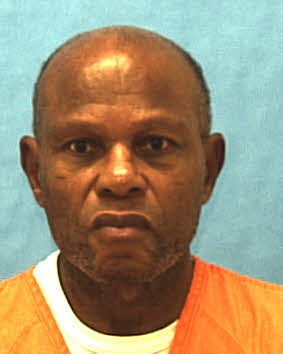
John Ruthell Henry
Serial Killer Execution Case
CLASSIFICATION: Serial Homicide
LOCATION
Zephyrhills, Florida
TIME PERIOD
1975-1985
VICTIMS
3 confirmed
December 23, 1985, John Ruthell Henry murdered his second wife, Suzanne Overstreet, and her four-year-old son, Eugene "Buggy" Christian, in Thonotosassa, Florida. Following a domestic dispute, Henry stabbed Overstreet 13 times and subsequently killed Christian in a separate location. He was apprehended on December 24, 1985, after fleeing the scene. Henry was convicted of first-degree murder for both killings and sentenced to death, ultimately being executed by lethal injection on June 18, 2014. Key evidence included the victims' bodies, forensic analysis of stab wounds, and Henry's own admissions during police interrogations.
John Ruthell Henry is believed to have exhibited a pattern of escalating violence, with some theorizing that his earlier murder of Patricia Roddy may have been a precursor to the later killings of his second wife and stepson. There is speculation that his unstable relationships and history of domestic violence contributed to his criminal behavior, leading to the belief that he was a repeat offender who could not be rehabilitated. Additionally, some discussions revolve around the possibility that Henry's psychological issues went unaddressed, allowing his violent tendencies to manifest tragically over time.
The Tragic Tale of John Ruthell Henry
A Life Marked by Violence
John Ruthell Henry was born on January 16, 1951, in Zephyrhills, Florida, only to become a name etched in the annals of American crime history. His life was a tragic weave of violence and despair, culminating in the brutal murders of his second wife and stepson. These heinous acts led to his execution on June 18, 2014, at Florida State Prison. But to understand the man behind the crimes, one must delve into the grim milestones that marked his existence.
The First Murder
The dark journey of John Ruthell Henry began in August 1975. Henry, his common-law wife Patricia Roddy, and her two young daughters were on a drive through Dade City. An argument erupted, prompting Henry to bring the car to a halt in a parking lot. In a fit of rage, he stabbed Roddy approximately 30 times, focusing his attack on her neck and upper body. After the murder, he fled into a wooded area in Zephyrhills, but not for long. Deputy Fay Wilber tracked him down and arrested him. Henry entered a plea of no contest to second-degree murder, receiving a 15-year sentence. Yet, he was paroled after serving only seven and a half years.
A New Start, A New Tragedy
Upon his release in January 1983, Henry sought to rebuild his life. He married Suzanne Overstreet, a 28-year-old convenience store clerk from Zephyrhills, who had a four-year-old son, Eugene "Buggy" Christian. However, their marriage was fraught with trouble. Both Henry and Suzanne were arrested multiple times for drug-related offenses, and Henry had additional convictions for firearms violations. By August 1984, Suzanne sought refuge in a women's shelter, fearing for her and her son's safety. She even attempted to obtain a restraining order against Henry.
On December 22, 1985, the tension reached its tragic climax. Henry visited Suzanne to discuss buying Christmas gifts for Christian. She allowed him inside, but the conversation quickly turned into a heated argument. Henry claimed they fought over a knife before he stabbed Suzanne 13 times. As she lay dying, he sat smoking a cigarette. He then wrapped her body in a rug, stole a car, and took Christian to a pasture near Thonotosassa, where he ended the boy's life behind a chicken farm.
The Arrest and Trials
The following day, Suzanne's sisters discovered her body when she failed to show up for work. Neighbors reported seeing Henry leave the apartment with Christian. Authorities soon tracked him to the Twilight Motel, where he had registered with another woman. Detective Fay Wilber, who had arrested Henry a decade earlier, recognized him immediately. After being read his Miranda rights, Henry confessed to both murders and led the authorities to Christian's body.
Due to the murders occurring in separate counties, Henry faced two trials: one in Hillsborough County for Christian's murder and another in Pasco County for Suzanne's. During preliminary hearings, his defense attempted to exclude Henry's confession, arguing that his mental state rendered him intellectually impaired. However, psychiatrists testified that his schizophrenia did not impair his judgment, and he was found guilty on all charges, receiving two death sentences.
The legal battle did not end there. Four years later, the Supreme Court of Florida ordered retrials, citing that the jury in Suzanne's case had been prejudiced by evidence from Christian's murder, particularly disturbing autopsy photos. During the retrials, Detective Wilber reiterated his earlier testimony, emphasizing the lack of any signs of a struggle in Suzanne's apartment. Once again, Henry was convicted on all counts and sentenced to death.
The Final Chapter
Henry's legal team fought to overturn his death sentence, citing his abusive childhood, schizophrenia, and an IQ of 70 as evidence of intellectual disability. Yet, every appeal was denied. Governor Rick Scott signed his death warrant in 2014, sealing Henry's fate. On June 18, 2014, he was executed by lethal injection at Florida State Prison. He declined a last meal and uttered a final statement of remorse, asking for forgiveness. For Selena Geiger, Suzanne's niece and Eugene's cousin, his execution brought a semblance of peace.
Sources
For a comprehensive list of references, visit the Wikipedia page on John Ruthell Henry.
No Recent News
No recent news articles found for this case. Check back later for updates.
No Evidence Submitted
No evidence found for this case. Be the first to submit evidence in the comments below.
Join the discussion
Loading comments...
First Trial Begins
Henry's trial for the murder of his stepson Christian begins in Hillsborough County.
Retrial Ordered
The Supreme Court of Florida orders a retrial for Henry due to prejudicial evidence in the first trial.
Retrial Conviction
Henry is found guilty again in the retrial for the murders of his wife and stepson.
Execution
John Ruthell Henry is executed by lethal injection at Florida State Prison.
First Murder Committed
John Ruthell Henry stabs his common law wife Patricia Roddy to death during an argument.
Paroled for First Murder
Henry is paroled after serving 7.5 years for the murder of Patricia Roddy.
Second Murder Committed
Henry stabs his second wife Suzanne Overstreet to death during a domestic dispute.
Arrested for Murders
Henry is arrested after confessing to the murders of his wife and stepson Christian.
December 23, 1985, John Ruthell Henry murdered his second wife, Suzanne Overstreet, and her four-year-old son, Eugene "Buggy" Christian, in Thonotosassa, Florida. Following a domestic dispute, Henry stabbed Overstreet 13 times and subsequently killed Christian in a separate location. He was apprehended on December 24, 1985, after fleeing the scene. Henry was convicted of first-degree murder for both killings and sentenced to death, ultimately being executed by lethal injection on June 18, 2014. Key evidence included the victims' bodies, forensic analysis of stab wounds, and Henry's own admissions during police interrogations.
John Ruthell Henry is believed to have exhibited a pattern of escalating violence, with some theorizing that his earlier murder of Patricia Roddy may have been a precursor to the later killings of his second wife and stepson. There is speculation that his unstable relationships and history of domestic violence contributed to his criminal behavior, leading to the belief that he was a repeat offender who could not be rehabilitated. Additionally, some discussions revolve around the possibility that Henry's psychological issues went unaddressed, allowing his violent tendencies to manifest tragically over time.
The Tragic Tale of John Ruthell Henry
A Life Marked by Violence
John Ruthell Henry was born on January 16, 1951, in Zephyrhills, Florida, only to become a name etched in the annals of American crime history. His life was a tragic weave of violence and despair, culminating in the brutal murders of his second wife and stepson. These heinous acts led to his execution on June 18, 2014, at Florida State Prison. But to understand the man behind the crimes, one must delve into the grim milestones that marked his existence.
The First Murder
The dark journey of John Ruthell Henry began in August 1975. Henry, his common-law wife Patricia Roddy, and her two young daughters were on a drive through Dade City. An argument erupted, prompting Henry to bring the car to a halt in a parking lot. In a fit of rage, he stabbed Roddy approximately 30 times, focusing his attack on her neck and upper body. After the murder, he fled into a wooded area in Zephyrhills, but not for long. Deputy Fay Wilber tracked him down and arrested him. Henry entered a plea of no contest to second-degree murder, receiving a 15-year sentence. Yet, he was paroled after serving only seven and a half years.
A New Start, A New Tragedy
Upon his release in January 1983, Henry sought to rebuild his life. He married Suzanne Overstreet, a 28-year-old convenience store clerk from Zephyrhills, who had a four-year-old son, Eugene "Buggy" Christian. However, their marriage was fraught with trouble. Both Henry and Suzanne were arrested multiple times for drug-related offenses, and Henry had additional convictions for firearms violations. By August 1984, Suzanne sought refuge in a women's shelter, fearing for her and her son's safety. She even attempted to obtain a restraining order against Henry.
On December 22, 1985, the tension reached its tragic climax. Henry visited Suzanne to discuss buying Christmas gifts for Christian. She allowed him inside, but the conversation quickly turned into a heated argument. Henry claimed they fought over a knife before he stabbed Suzanne 13 times. As she lay dying, he sat smoking a cigarette. He then wrapped her body in a rug, stole a car, and took Christian to a pasture near Thonotosassa, where he ended the boy's life behind a chicken farm.
The Arrest and Trials
The following day, Suzanne's sisters discovered her body when she failed to show up for work. Neighbors reported seeing Henry leave the apartment with Christian. Authorities soon tracked him to the Twilight Motel, where he had registered with another woman. Detective Fay Wilber, who had arrested Henry a decade earlier, recognized him immediately. After being read his Miranda rights, Henry confessed to both murders and led the authorities to Christian's body.
Due to the murders occurring in separate counties, Henry faced two trials: one in Hillsborough County for Christian's murder and another in Pasco County for Suzanne's. During preliminary hearings, his defense attempted to exclude Henry's confession, arguing that his mental state rendered him intellectually impaired. However, psychiatrists testified that his schizophrenia did not impair his judgment, and he was found guilty on all charges, receiving two death sentences.
The legal battle did not end there. Four years later, the Supreme Court of Florida ordered retrials, citing that the jury in Suzanne's case had been prejudiced by evidence from Christian's murder, particularly disturbing autopsy photos. During the retrials, Detective Wilber reiterated his earlier testimony, emphasizing the lack of any signs of a struggle in Suzanne's apartment. Once again, Henry was convicted on all counts and sentenced to death.
The Final Chapter
Henry's legal team fought to overturn his death sentence, citing his abusive childhood, schizophrenia, and an IQ of 70 as evidence of intellectual disability. Yet, every appeal was denied. Governor Rick Scott signed his death warrant in 2014, sealing Henry's fate. On June 18, 2014, he was executed by lethal injection at Florida State Prison. He declined a last meal and uttered a final statement of remorse, asking for forgiveness. For Selena Geiger, Suzanne's niece and Eugene's cousin, his execution brought a semblance of peace.
Sources
For a comprehensive list of references, visit the Wikipedia page on John Ruthell Henry.
No Recent News
No recent news articles found for this case. Check back later for updates.
No Evidence Submitted
No evidence found for this case. Be the first to submit evidence in the comments below.
Join the discussion
Loading comments...
First Trial Begins
Henry's trial for the murder of his stepson Christian begins in Hillsborough County.
Retrial Ordered
The Supreme Court of Florida orders a retrial for Henry due to prejudicial evidence in the first trial.
Retrial Conviction
Henry is found guilty again in the retrial for the murders of his wife and stepson.
Execution
John Ruthell Henry is executed by lethal injection at Florida State Prison.
First Murder Committed
John Ruthell Henry stabs his common law wife Patricia Roddy to death during an argument.
Paroled for First Murder
Henry is paroled after serving 7.5 years for the murder of Patricia Roddy.
Second Murder Committed
Henry stabs his second wife Suzanne Overstreet to death during a domestic dispute.
Arrested for Murders
Henry is arrested after confessing to the murders of his wife and stepson Christian.