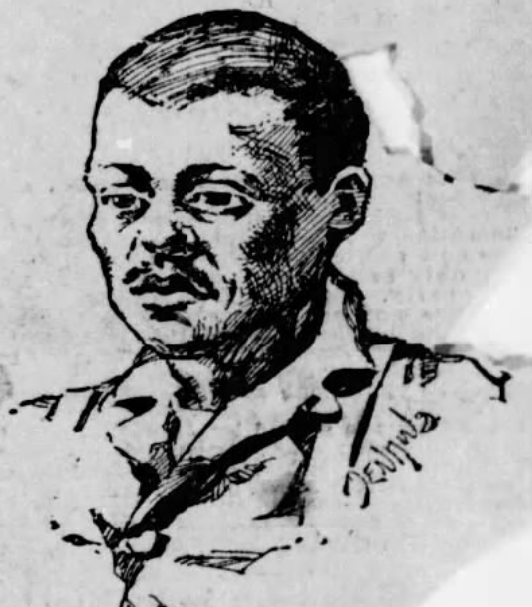
John Wesley Robinson
American Serial Killer Case
CLASSIFICATION: Serial Homicide
LOCATION
Kansas City, Missouri
TIME PERIOD
1913
VICTIMS
3 confirmed
John Wesley Robinson, an American serial killer, was initially convicted of second-degree murder for the death of his girlfriend, Ella Jones, in St. Louis, Missouri, on June 16, 1896. Following a violent argument, Robinson choked Jones to death and attempted to conceal her body by burying it in his kitchen floor. He was apprehended on May 21, 1913, after committing a double murder of his wife and stepdaughter in Kansas City, Missouri, for which he was convicted of first-degree murder and sentenced to death. Robinson was executed by hanging on February 15, 1915. Key evidence included witness testimonies and forensic analysis of the crime scenes, which confirmed his involvement in both murders.
Robinson's violent outbursts and his history of domestic abuse lead many to speculate that he may have had additional undiscovered victims beyond the three confirmed murders. Some believe his crimes were fueled by jealousy and paranoia, suggesting a pattern of escalating violence in his relationships. There is also speculation that his initial conviction for killing his girlfriend in 1896 may have been overlooked, allowing him to continue his violent behavior unchecked until his more notorious crimes in 1913.
The Grim Life and Crimes of John Wesley Robinson
In the annals of American crime history, the name John Wesley Robinson evokes a chilling legacy of murder and deception. Born in Nashville, Tennessee in 1867, Robinson's life would spiral through a series of violent episodes, culminating in his execution by hanging on February 15, 1915, in Kansas City, Missouri. His journey from a convicted murderer to an infamous serial killer offers a grim reflection on the darker facets of human nature.
Ella Jones: The First Murder
The ominous chapter of Robinson's murderous spree began on a seemingly ordinary morning, June 16, 1896, in St. Louis, Missouri. The tranquility of the day shattered when his girlfriend, Ella Jones, arrived at his home seeking medicine. A simple request quickly escalated into a deadly confrontation. Accusations flew between the couple—Jones accusing Robinson of infidelity, Robinson retorting with claims of her plotting to poison him. In a fit of rage, Robinson wrapped his hands around her neck, squeezing the life out of her. Yet, when a breeze startled him into believing she might still live, his panic drove him to force a soaked sponge down her throat, ensuring her demise. Afterward, Robinson, unperturbed, lay beside her lifeless body and fell asleep.
The following day, Robinson's fear of discovery prompted him to conceal his crime. He tore up floorboards in his kitchen, attempting to dig a grave. When his efforts proved futile, he buried Jones beneath a quilt in the makeshift grave, hoping it would suffice. As paranoia consumed him, Robinson fled St. Louis, abandoning Jones' body to be found by neighbors—a discovery that would ignite public outrage.
Robinson's flight took him towards Quincy, Illinois, but his freedom was short-lived. A detective, aware of the murder, recognized him aboard a steamboat and arrested him. In St. Louis, the news of the murder had spread like wildfire, inciting a furious mob intent on lynching Robinson. Even as detectives escorted him to the Central Police Station, they faced a thousand-strong crowd, forcing them to draw their weapons to protect their prisoner. Despite his fear of the mob, Robinson remained composed when questioned, detailing the events with unsettling calmness.
The Investigation and Trial
In the subsequent investigation, Robinson introduced a new twist, denying he had forced the sponge down Jones' throat. Detectives speculated that perhaps James "Temp" Temples, a friend who had urged Robinson to treat Jones more harshly, might have been involved. Despite this claim, Robinson refused to testify at the coroner's inquest, leading to his return to the Central Police Station amidst another threatening mob. As he was escorted, a spectator struck Robinson, further heightening his fear for his life.
Meanwhile, Temples was arrested for an unrelated murder, and during questioning, he offered his account of a night when Robinson allegedly tried to strangle him. Despite these allegations, Robinson remained the sole person charged with Jones' murder. Eventually, under the negotiation of Circuit Attorney William Zachritz, Robinson pled guilty to second-degree murder, receiving a 15-year sentence. This plea deal drew criticism from law enforcement, who believed Robinson deserved the death penalty for his heinous act.
The Felton Murders
Robinson's release on parole in 1908, after serving 11 years of his sentence, marked the beginning of another tragic saga. He relocated to Kansas City and married Mary Felton, moving in with her and her daughter, 11-year-old Alma. However, their marriage was fraught with accusations of infidelity, leading Robinson to fear that Mary might try to have him imprisoned again.
On April 11, 1913, Robinson's fears culminated in a brutal decision. Grabbing a butcher knife, he entered Mary's room and strangled her as she slept. To ensure no trace of his crime remained, he dismembered her body. Alma met a similar fate; Robinson choked her and dismembered her remains. He disposed of Mary's body in the backyard and buried Alma's in a shallow grave near a pond after burning their limbs in the stove.
Arrest and Trial
The discovery of Mary's remains by a neighbor a month later led to Robinson's arrest on May 21 in Lee's Summit. At the police station, Robinson confessed to the murders but implicated Jennie Hill, Mary's half-sister, and neighbor, as an accomplice. According to Robinson, Hill promised to run away with him if he killed Mary, and she allegedly killed Alma to eliminate witnesses. The accusations stirred public interest, forming lynch mobs once more.
Robinson and Hill faced murder charges, yet Hill denied all accusations and was eventually exonerated when Robinson admitted fabricating her involvement. Despite the sensational nature of the trial, Robinson maintained his innocence concerning Hill's alleged role. However, his conviction for the murders was inevitable, and a judge entered a not guilty plea on Robinson's behalf, preferring a jury to decide his fate.
Execution
Following his conviction, Robinson underwent a psychiatric evaluation, revealing he possessed the intelligence of an 11-year-old. Despite petitions for clemency, Governor Elliot Woolfolk Major refused to commute his sentence. On the day of his execution, Robinson faced his fate with an eerie calm, joking with cellmates and guards. His last meal included two cups of coffee and an orange. As he approached the gallows, his final words were, "I am happy; I am ready to go."
The execution concluded with a sermon by Dr. W. C. Williams, urging citizens to lead a better life through religion, a poignant reminder of the moral lessons entwined with Robinson's dark story.
See Also
- Capital punishment in Missouri
- List of serial killers in the United States
Sources
- "Slept by His Victim's Side" - St. Louis Post-Dispatch, June 23, 1896
- "He May Have Had an Accomplice" - St. Louis Post-Dispatch, June 24, 1896
- "Wesley Robinson's Friend" - St. Louis Post-Dispatch, August 28, 1896
- "Saved Another Brute's Neck" - St. Louis Post-Dispatch, October 15, 1896
- "Wanted to Lynch Negro" - The Kansas City Star, May 22, 1913
- "Negroes Flock to the Jail" - The Kansas City Star, May 23, 1913
- "May Have Killed Two Wives" - Kansas City Times, May 29, 1913
- "Roused by Crime Tales" - The Kansas City Star, May 31, 1913
- "Try Wife Slayer June 24" - The Kansas City Star, June 5, 1913
- "Exonerates Woman of Murder" - The Kansas City Star, July 11, 1913
- "Awaits the Noose Calmly" - The Kansas City Star, February 13, 1915
- "An Impressive Sermon" - The Kansas City Sun, February 27, 1915
For a full account, visit Wikipedia.
No Recent News
No recent news articles found for this case. Check back later for updates.
No Evidence Submitted
No evidence found for this case. Be the first to submit evidence in the comments below.
Join the discussion
Loading comments...
First Murder Committed
John Wesley Robinson kills his girlfriend Ella Jones in a fit of rage.
Robinson Arrested
Robinson is arrested while attempting to flee after the murder of Ella Jones.
Convicted of Second-Degree Murder
Robinson pleads guilty to second-degree murder and is sentenced to 15 years in prison.
Paroled from Prison
Robinson is paroled after serving 11 years of his sentence.
Double Murder of Wife and Stepdaughter
Robinson murders his wife Mary and stepdaughter Alma in Kansas City.
Final Arrest
Robinson is arrested for the murders of Mary and Alma after their bodies are discovered.
Convicted of First-Degree Murder
Robinson is convicted of first-degree murder for the killings of his wife and stepdaughter.
Execution by Hanging
John Wesley Robinson is executed by hanging in Kansas City.
John Wesley Robinson, an American serial killer, was initially convicted of second-degree murder for the death of his girlfriend, Ella Jones, in St. Louis, Missouri, on June 16, 1896. Following a violent argument, Robinson choked Jones to death and attempted to conceal her body by burying it in his kitchen floor. He was apprehended on May 21, 1913, after committing a double murder of his wife and stepdaughter in Kansas City, Missouri, for which he was convicted of first-degree murder and sentenced to death. Robinson was executed by hanging on February 15, 1915. Key evidence included witness testimonies and forensic analysis of the crime scenes, which confirmed his involvement in both murders.
Robinson's violent outbursts and his history of domestic abuse lead many to speculate that he may have had additional undiscovered victims beyond the three confirmed murders. Some believe his crimes were fueled by jealousy and paranoia, suggesting a pattern of escalating violence in his relationships. There is also speculation that his initial conviction for killing his girlfriend in 1896 may have been overlooked, allowing him to continue his violent behavior unchecked until his more notorious crimes in 1913.
The Grim Life and Crimes of John Wesley Robinson
In the annals of American crime history, the name John Wesley Robinson evokes a chilling legacy of murder and deception. Born in Nashville, Tennessee in 1867, Robinson's life would spiral through a series of violent episodes, culminating in his execution by hanging on February 15, 1915, in Kansas City, Missouri. His journey from a convicted murderer to an infamous serial killer offers a grim reflection on the darker facets of human nature.
Ella Jones: The First Murder
The ominous chapter of Robinson's murderous spree began on a seemingly ordinary morning, June 16, 1896, in St. Louis, Missouri. The tranquility of the day shattered when his girlfriend, Ella Jones, arrived at his home seeking medicine. A simple request quickly escalated into a deadly confrontation. Accusations flew between the couple—Jones accusing Robinson of infidelity, Robinson retorting with claims of her plotting to poison him. In a fit of rage, Robinson wrapped his hands around her neck, squeezing the life out of her. Yet, when a breeze startled him into believing she might still live, his panic drove him to force a soaked sponge down her throat, ensuring her demise. Afterward, Robinson, unperturbed, lay beside her lifeless body and fell asleep.
The following day, Robinson's fear of discovery prompted him to conceal his crime. He tore up floorboards in his kitchen, attempting to dig a grave. When his efforts proved futile, he buried Jones beneath a quilt in the makeshift grave, hoping it would suffice. As paranoia consumed him, Robinson fled St. Louis, abandoning Jones' body to be found by neighbors—a discovery that would ignite public outrage.
Robinson's flight took him towards Quincy, Illinois, but his freedom was short-lived. A detective, aware of the murder, recognized him aboard a steamboat and arrested him. In St. Louis, the news of the murder had spread like wildfire, inciting a furious mob intent on lynching Robinson. Even as detectives escorted him to the Central Police Station, they faced a thousand-strong crowd, forcing them to draw their weapons to protect their prisoner. Despite his fear of the mob, Robinson remained composed when questioned, detailing the events with unsettling calmness.
The Investigation and Trial
In the subsequent investigation, Robinson introduced a new twist, denying he had forced the sponge down Jones' throat. Detectives speculated that perhaps James "Temp" Temples, a friend who had urged Robinson to treat Jones more harshly, might have been involved. Despite this claim, Robinson refused to testify at the coroner's inquest, leading to his return to the Central Police Station amidst another threatening mob. As he was escorted, a spectator struck Robinson, further heightening his fear for his life.
Meanwhile, Temples was arrested for an unrelated murder, and during questioning, he offered his account of a night when Robinson allegedly tried to strangle him. Despite these allegations, Robinson remained the sole person charged with Jones' murder. Eventually, under the negotiation of Circuit Attorney William Zachritz, Robinson pled guilty to second-degree murder, receiving a 15-year sentence. This plea deal drew criticism from law enforcement, who believed Robinson deserved the death penalty for his heinous act.
The Felton Murders
Robinson's release on parole in 1908, after serving 11 years of his sentence, marked the beginning of another tragic saga. He relocated to Kansas City and married Mary Felton, moving in with her and her daughter, 11-year-old Alma. However, their marriage was fraught with accusations of infidelity, leading Robinson to fear that Mary might try to have him imprisoned again.
On April 11, 1913, Robinson's fears culminated in a brutal decision. Grabbing a butcher knife, he entered Mary's room and strangled her as she slept. To ensure no trace of his crime remained, he dismembered her body. Alma met a similar fate; Robinson choked her and dismembered her remains. He disposed of Mary's body in the backyard and buried Alma's in a shallow grave near a pond after burning their limbs in the stove.
Arrest and Trial
The discovery of Mary's remains by a neighbor a month later led to Robinson's arrest on May 21 in Lee's Summit. At the police station, Robinson confessed to the murders but implicated Jennie Hill, Mary's half-sister, and neighbor, as an accomplice. According to Robinson, Hill promised to run away with him if he killed Mary, and she allegedly killed Alma to eliminate witnesses. The accusations stirred public interest, forming lynch mobs once more.
Robinson and Hill faced murder charges, yet Hill denied all accusations and was eventually exonerated when Robinson admitted fabricating her involvement. Despite the sensational nature of the trial, Robinson maintained his innocence concerning Hill's alleged role. However, his conviction for the murders was inevitable, and a judge entered a not guilty plea on Robinson's behalf, preferring a jury to decide his fate.
Execution
Following his conviction, Robinson underwent a psychiatric evaluation, revealing he possessed the intelligence of an 11-year-old. Despite petitions for clemency, Governor Elliot Woolfolk Major refused to commute his sentence. On the day of his execution, Robinson faced his fate with an eerie calm, joking with cellmates and guards. His last meal included two cups of coffee and an orange. As he approached the gallows, his final words were, "I am happy; I am ready to go."
The execution concluded with a sermon by Dr. W. C. Williams, urging citizens to lead a better life through religion, a poignant reminder of the moral lessons entwined with Robinson's dark story.
See Also
- Capital punishment in Missouri
- List of serial killers in the United States
Sources
- "Slept by His Victim's Side" - St. Louis Post-Dispatch, June 23, 1896
- "He May Have Had an Accomplice" - St. Louis Post-Dispatch, June 24, 1896
- "Wesley Robinson's Friend" - St. Louis Post-Dispatch, August 28, 1896
- "Saved Another Brute's Neck" - St. Louis Post-Dispatch, October 15, 1896
- "Wanted to Lynch Negro" - The Kansas City Star, May 22, 1913
- "Negroes Flock to the Jail" - The Kansas City Star, May 23, 1913
- "May Have Killed Two Wives" - Kansas City Times, May 29, 1913
- "Roused by Crime Tales" - The Kansas City Star, May 31, 1913
- "Try Wife Slayer June 24" - The Kansas City Star, June 5, 1913
- "Exonerates Woman of Murder" - The Kansas City Star, July 11, 1913
- "Awaits the Noose Calmly" - The Kansas City Star, February 13, 1915
- "An Impressive Sermon" - The Kansas City Sun, February 27, 1915
For a full account, visit Wikipedia.
No Recent News
No recent news articles found for this case. Check back later for updates.
No Evidence Submitted
No evidence found for this case. Be the first to submit evidence in the comments below.
Join the discussion
Loading comments...
First Murder Committed
John Wesley Robinson kills his girlfriend Ella Jones in a fit of rage.
Robinson Arrested
Robinson is arrested while attempting to flee after the murder of Ella Jones.
Convicted of Second-Degree Murder
Robinson pleads guilty to second-degree murder and is sentenced to 15 years in prison.
Paroled from Prison
Robinson is paroled after serving 11 years of his sentence.
Double Murder of Wife and Stepdaughter
Robinson murders his wife Mary and stepdaughter Alma in Kansas City.
Final Arrest
Robinson is arrested for the murders of Mary and Alma after their bodies are discovered.
Convicted of First-Degree Murder
Robinson is convicted of first-degree murder for the killings of his wife and stepdaughter.
Execution by Hanging
John Wesley Robinson is executed by hanging in Kansas City.