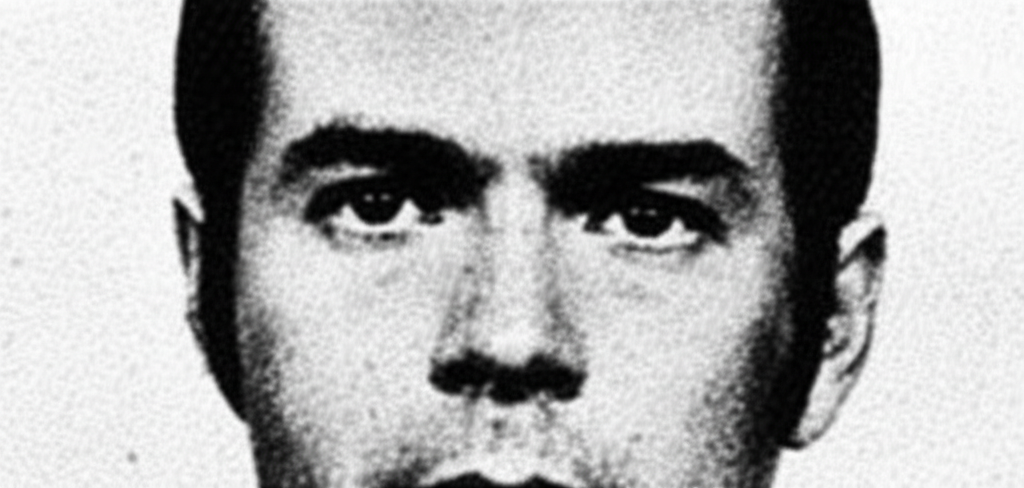
Joseph Kallinger
Father-Son Serial Killer Duo
CLASSIFICATION: Serial Homicide
LOCATION
Philadelphia, Pennsylvania
TIME PERIOD
July 7, 1974 – January 8, 1975
VICTIMS
3 confirmed
Joseph Kallinger, an American serial killer, was responsible for the murders of three individuals and the torture of four families between July 7, 1974, and January 8, 1975, primarily in Pennsylvania and New Jersey. Kallinger, along with his 12-year-old son Michael, was apprehended on January 17, 1975, following a series of violent crimes that included home invasions and assaults. The case involved multiple victims, with Kallinger's criminal history reflecting a pattern of severe abuse and violence towards his family and others. He was ultimately sentenced to life imprisonment and died in custody on March 26, 1996. Significant evidence collected during the investigation included physical evidence from the crime scenes and testimonies from survivors, which helped establish the brutal nature of the crimes committed by Kallinger and his son.
Joseph Kallinger's violent behavior is theorized to stem from the severe abuse he suffered during his childhood, leading to a belief that his traumatic experiences contributed to his later criminal actions. Some speculate that his decision to involve his 12-year-old son Michael in his crimes indicates a desire to perpetuate his own legacy of violence and control. Additionally, there are theories suggesting that Kallinger's mental health issues, possibly exacerbated by his upbringing, played a significant role in his transformation into a serial killer.
The Disturbing Tale of Joseph Kallinger: Cobbler Turned Killer
Born into a world of hardship and violence, Joseph Kallinger's life unfolded like a dark script, leading to unthinkable crimes. His tale begins on December 11, 1935, at Northern Liberties Hospital in Philadelphia, Pennsylvania, where he entered the world as Joseph Lee Brenner III. His early years were marred by abandonment and adoption. By December 1937, he found himself in foster care after Joseph Lee Brenner Jr., his biological father, left his mother, Judith, to fend for herself. A new chapter began on October 15, 1939, when Austrian immigrants Stephen and Anna Kallinger adopted him, but this was no fairy tale adoption.
Early Life: A Childhood of Pain
Joseph's childhood was a relentless barrage of abuse at the hands of his adoptive parents. The punishments were brutal and varied, from being forced to kneel on jagged rocks to being locked in closets, and even enduring burns from irons. By age six, a hernia was inflicted by Stephen Kallinger, and the torment did not end there. Joseph was forced into degrading acts such as consuming excrement and self-harm, alongside being whipped with belts and starved. A dark shadow cast over his childhood, he even fell victim to sexual assault by neighborhood boys at the tender age of nine.
Despite these horrors, young Joseph harbored dreams of a brighter future. He rebelled against authority figures, a trait perhaps born from his tumultuous upbringing. In ninth grade, he stepped into the spotlight, playing Ebenezer Scrooge in a local performance of "A Christmas Carol" at the YWCA, nurturing dreams of becoming a playwright. At 15, he met Hilda Bergman in a theater, defying family disapproval to marry her and father two children. However, the cycle of violence continued, and Hilda left him, citing domestic abuse.
September 4, 1957, marked another low point when Joseph was hospitalized at St. Mary's, suffering severe headaches and loss of appetite. Doctors attributed this to the stress of his divorce. Not long after, on April 20, 1958, he remarried, this time to Elizabeth Baumgard, with whom he had five more children. The pattern of abuse persisted, with Joseph inflicting on his family the same atrocities he had endured.
Over the following decade, Kallinger's mental health deteriorated. He oscillated between periods of mental stability and institutionalization for issues like amnesia, suicide attempts, and arson.
The Descent into Crime
Kallinger's criminal career began to solidify in 1972 when his own children turned him into the authorities. They reported the abuses they suffered, though later recanted. During his incarceration, Kallinger's IQ was recorded at 82, and he was diagnosed with paranoid schizophrenia. State psychiatrists recommended supervision, but this did little to prevent the dark tide of events to come.
Tragedy struck in 1974. Joseph Jr., one of Kallinger's sons, was discovered dead in an abandoned construction site, a mere two weeks after Kallinger had taken out a significant life insurance policy on his sons. Despite Kallinger's claim that Joseph Jr. had run away, the insurance company suspected foul play and denied his claim.
This set the stage for a crime spree that began in November 1974, as Kallinger and his 12-year-old son, Michael, embarked on a harrowing journey through Philadelphia, Baltimore, and New Jersey. Posing as salesmen, they gained entry into homes, robbing, assaulting, and sexually abusing four families over six weeks. On January 8, 1975, in Leonia, New Jersey, their spree reached its bloody zenith. Armed with a pistol and a knife, they overpowered three residents, binding them with cords from household appliances. As more people arrived, they too were stripped, bound, and terrorized.
The violence escalated when 21-year-old nurse Maria Fasching arrived. Her refusal to comply with Kallinger's demands led to her brutal murder, stabbed in the neck and back. Amidst the chaos, one bound resident managed to escape, alerting neighbors who swiftly contacted the police. By the time law enforcement arrived, Kallinger and his son had vanished, fleeing on a city bus and discarding their weapons and a bloodied shirt along the route.
Capture and Trial
The investigation swiftly closed in on Kallinger. The bloodied shirt, coupled with eyewitness accounts, painted a damning picture. Authorities unearthed a history of domestic violence, Joseph Jr.'s mysterious death, and suspicious arsons linked to Kallinger. Charged with kidnapping and rape, Kallinger faced three counts of murder for his son, Maria Fasching, and a neighborhood boy.
In court, Kallinger pleaded insanity, claiming divine instruction directed his crimes. Despite this, he was deemed sane and sentenced to life imprisonment on October 14, 1976. His son, Michael, viewed as under his father's coercive influence, was sentenced to a reformatory. Upon his release at 21, Michael changed his name and disappeared from the public eye.
Life behind bars for Kallinger was tumultuous. He attempted suicide multiple times, including setting himself on fire, leading to his transfer to mental hospitals in Trenton, New Jersey, and later Philadelphia on May 18, 1979.
The Aftermath and Legacy
The Kallinger case captured the public's imagination, prompting Flora Rheta Schreiber, author of the bestseller "Sybil," to interview him in 1976. Her subsequent book, "The Shoemaker: The Anatomy of a Psychotic," published in 1983, sparked legal battles. The families of Kallinger's victims sued, invoking the Son of Sam law, which prevents criminals from profiting from their notoriety. Initially, the judge awarded them royalties from the book, including those of Schreiber and Simon & Schuster, leading Schreiber into significant debt. An appellate panel later limited the ruling to Kallinger's royalties alone.
Throughout the years, Michael Korda, an editor at Simon & Schuster, received Christmas cards from Kallinger, who remained in the state institution for the criminally insane. Despite his reputation, Kallinger held a peculiar place in the lives of those who documented his story, maintaining correspondence with Schreiber until her death in 1988.
In a chilling interview with Geraldo Rivera, Kallinger expressed a desire to continue killing, even suggesting Rivera himself as a target. When Rivera stated his hope that Kallinger never leave prison, Kallinger agreed, uttering, "I hope I never do either."
Final Days
Joseph Kallinger's life came to a quiet end on March 26, 1996, when he succumbed to heart failure at the State Correctional Institution in Cresson. The last 11 years of his life were spent under constant suicide watch, a fitting end for a man whose life was marked by violence and tragedy.
Sources
This narrative is based on the Wikipedia article about Joseph Kallinger. For further details, please refer to the original article at Wikipedia.
No Recent News
No recent news articles found for this case. Check back later for updates.
No Evidence Submitted
No evidence found for this case. Be the first to submit evidence in the comments below.
Join the discussion
Loading comments...
First Crime Spree Begins
Joseph Kallinger and his son Michael start a series of robberies and assaults across multiple states.
Murder of Maria Fasching
Kallinger and Michael murder 21-year-old nurse Maria Fasching during a home invasion.
Arrest of Kallinger
Joseph Kallinger and his son are arrested on charges of kidnapping and rape following the murder.
Sentencing
Kallinger is found sane and sentenced to life in prison for three counts of murder.
Transfer to Mental Hospital
Kallinger is transferred to a mental hospital in Philadelphia due to suicidal behavior.
Book Published
Flora Rheta Schreiber publishes 'The Shoemaker: The Anatomy of a Psychotic' based on interviews with Kallinger.
Kallinger's Death
Joseph Kallinger dies of heart failure while serving his life sentence.
Joseph Kallinger, an American serial killer, was responsible for the murders of three individuals and the torture of four families between July 7, 1974, and January 8, 1975, primarily in Pennsylvania and New Jersey. Kallinger, along with his 12-year-old son Michael, was apprehended on January 17, 1975, following a series of violent crimes that included home invasions and assaults. The case involved multiple victims, with Kallinger's criminal history reflecting a pattern of severe abuse and violence towards his family and others. He was ultimately sentenced to life imprisonment and died in custody on March 26, 1996. Significant evidence collected during the investigation included physical evidence from the crime scenes and testimonies from survivors, which helped establish the brutal nature of the crimes committed by Kallinger and his son.
Joseph Kallinger's violent behavior is theorized to stem from the severe abuse he suffered during his childhood, leading to a belief that his traumatic experiences contributed to his later criminal actions. Some speculate that his decision to involve his 12-year-old son Michael in his crimes indicates a desire to perpetuate his own legacy of violence and control. Additionally, there are theories suggesting that Kallinger's mental health issues, possibly exacerbated by his upbringing, played a significant role in his transformation into a serial killer.
The Disturbing Tale of Joseph Kallinger: Cobbler Turned Killer
Born into a world of hardship and violence, Joseph Kallinger's life unfolded like a dark script, leading to unthinkable crimes. His tale begins on December 11, 1935, at Northern Liberties Hospital in Philadelphia, Pennsylvania, where he entered the world as Joseph Lee Brenner III. His early years were marred by abandonment and adoption. By December 1937, he found himself in foster care after Joseph Lee Brenner Jr., his biological father, left his mother, Judith, to fend for herself. A new chapter began on October 15, 1939, when Austrian immigrants Stephen and Anna Kallinger adopted him, but this was no fairy tale adoption.
Early Life: A Childhood of Pain
Joseph's childhood was a relentless barrage of abuse at the hands of his adoptive parents. The punishments were brutal and varied, from being forced to kneel on jagged rocks to being locked in closets, and even enduring burns from irons. By age six, a hernia was inflicted by Stephen Kallinger, and the torment did not end there. Joseph was forced into degrading acts such as consuming excrement and self-harm, alongside being whipped with belts and starved. A dark shadow cast over his childhood, he even fell victim to sexual assault by neighborhood boys at the tender age of nine.
Despite these horrors, young Joseph harbored dreams of a brighter future. He rebelled against authority figures, a trait perhaps born from his tumultuous upbringing. In ninth grade, he stepped into the spotlight, playing Ebenezer Scrooge in a local performance of "A Christmas Carol" at the YWCA, nurturing dreams of becoming a playwright. At 15, he met Hilda Bergman in a theater, defying family disapproval to marry her and father two children. However, the cycle of violence continued, and Hilda left him, citing domestic abuse.
September 4, 1957, marked another low point when Joseph was hospitalized at St. Mary's, suffering severe headaches and loss of appetite. Doctors attributed this to the stress of his divorce. Not long after, on April 20, 1958, he remarried, this time to Elizabeth Baumgard, with whom he had five more children. The pattern of abuse persisted, with Joseph inflicting on his family the same atrocities he had endured.
Over the following decade, Kallinger's mental health deteriorated. He oscillated between periods of mental stability and institutionalization for issues like amnesia, suicide attempts, and arson.
The Descent into Crime
Kallinger's criminal career began to solidify in 1972 when his own children turned him into the authorities. They reported the abuses they suffered, though later recanted. During his incarceration, Kallinger's IQ was recorded at 82, and he was diagnosed with paranoid schizophrenia. State psychiatrists recommended supervision, but this did little to prevent the dark tide of events to come.
Tragedy struck in 1974. Joseph Jr., one of Kallinger's sons, was discovered dead in an abandoned construction site, a mere two weeks after Kallinger had taken out a significant life insurance policy on his sons. Despite Kallinger's claim that Joseph Jr. had run away, the insurance company suspected foul play and denied his claim.
This set the stage for a crime spree that began in November 1974, as Kallinger and his 12-year-old son, Michael, embarked on a harrowing journey through Philadelphia, Baltimore, and New Jersey. Posing as salesmen, they gained entry into homes, robbing, assaulting, and sexually abusing four families over six weeks. On January 8, 1975, in Leonia, New Jersey, their spree reached its bloody zenith. Armed with a pistol and a knife, they overpowered three residents, binding them with cords from household appliances. As more people arrived, they too were stripped, bound, and terrorized.
The violence escalated when 21-year-old nurse Maria Fasching arrived. Her refusal to comply with Kallinger's demands led to her brutal murder, stabbed in the neck and back. Amidst the chaos, one bound resident managed to escape, alerting neighbors who swiftly contacted the police. By the time law enforcement arrived, Kallinger and his son had vanished, fleeing on a city bus and discarding their weapons and a bloodied shirt along the route.
Capture and Trial
The investigation swiftly closed in on Kallinger. The bloodied shirt, coupled with eyewitness accounts, painted a damning picture. Authorities unearthed a history of domestic violence, Joseph Jr.'s mysterious death, and suspicious arsons linked to Kallinger. Charged with kidnapping and rape, Kallinger faced three counts of murder for his son, Maria Fasching, and a neighborhood boy.
In court, Kallinger pleaded insanity, claiming divine instruction directed his crimes. Despite this, he was deemed sane and sentenced to life imprisonment on October 14, 1976. His son, Michael, viewed as under his father's coercive influence, was sentenced to a reformatory. Upon his release at 21, Michael changed his name and disappeared from the public eye.
Life behind bars for Kallinger was tumultuous. He attempted suicide multiple times, including setting himself on fire, leading to his transfer to mental hospitals in Trenton, New Jersey, and later Philadelphia on May 18, 1979.
The Aftermath and Legacy
The Kallinger case captured the public's imagination, prompting Flora Rheta Schreiber, author of the bestseller "Sybil," to interview him in 1976. Her subsequent book, "The Shoemaker: The Anatomy of a Psychotic," published in 1983, sparked legal battles. The families of Kallinger's victims sued, invoking the Son of Sam law, which prevents criminals from profiting from their notoriety. Initially, the judge awarded them royalties from the book, including those of Schreiber and Simon & Schuster, leading Schreiber into significant debt. An appellate panel later limited the ruling to Kallinger's royalties alone.
Throughout the years, Michael Korda, an editor at Simon & Schuster, received Christmas cards from Kallinger, who remained in the state institution for the criminally insane. Despite his reputation, Kallinger held a peculiar place in the lives of those who documented his story, maintaining correspondence with Schreiber until her death in 1988.
In a chilling interview with Geraldo Rivera, Kallinger expressed a desire to continue killing, even suggesting Rivera himself as a target. When Rivera stated his hope that Kallinger never leave prison, Kallinger agreed, uttering, "I hope I never do either."
Final Days
Joseph Kallinger's life came to a quiet end on March 26, 1996, when he succumbed to heart failure at the State Correctional Institution in Cresson. The last 11 years of his life were spent under constant suicide watch, a fitting end for a man whose life was marked by violence and tragedy.
Sources
This narrative is based on the Wikipedia article about Joseph Kallinger. For further details, please refer to the original article at Wikipedia.
No Recent News
No recent news articles found for this case. Check back later for updates.
No Evidence Submitted
No evidence found for this case. Be the first to submit evidence in the comments below.
Join the discussion
Loading comments...
First Crime Spree Begins
Joseph Kallinger and his son Michael start a series of robberies and assaults across multiple states.
Murder of Maria Fasching
Kallinger and Michael murder 21-year-old nurse Maria Fasching during a home invasion.
Arrest of Kallinger
Joseph Kallinger and his son are arrested on charges of kidnapping and rape following the murder.
Sentencing
Kallinger is found sane and sentenced to life in prison for three counts of murder.
Transfer to Mental Hospital
Kallinger is transferred to a mental hospital in Philadelphia due to suicidal behavior.
Book Published
Flora Rheta Schreiber publishes 'The Shoemaker: The Anatomy of a Psychotic' based on interviews with Kallinger.
Kallinger's Death
Joseph Kallinger dies of heart failure while serving his life sentence.