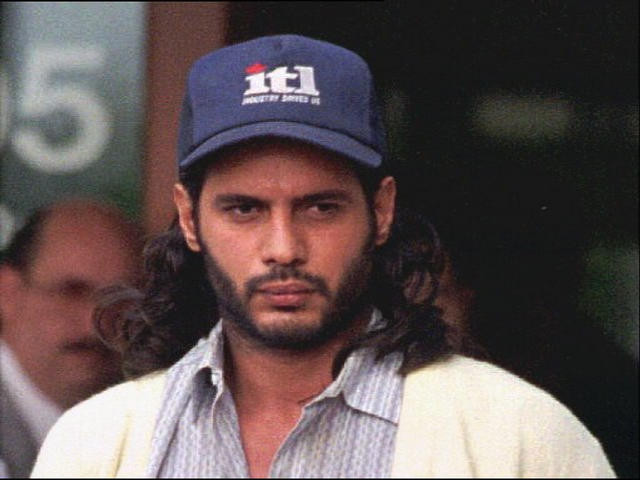
Juan Chavez
Mexican Serial Killer Case
CLASSIFICATION: Serial Homicide
LOCATION
Los Angeles County, California
TIME PERIOD
1986-1990
VICTIMS
6 confirmed
Juan Chavez, a Mexican serial killer, was active in Los Angeles County, California, between 1986 and 1990, where he murdered at least six gay men. His crimes began on July 17, 1986, when he killed 46-year-old Alfred Rowswell in LaFayette Park, subsequently stealing his belongings and car. Over the next few years, Chavez continued his spree, targeting victims such as fashion designer Ruben Panis and Donald Kleeman, both of whom he also strangled and robbed. In 1999, he was sentenced to five consecutive life sentences without the possibility of parole but committed suicide in Folsom State Prison just two months later. Significant evidence included fingerprints found on Rowswell's car, which aided in linking Chavez to the crimes.
Juan Chavez is believed to have targeted gay men due to his own troubled upbringing and possible internalized issues regarding his sexuality. Some speculate that his crimes were fueled by a desire for power and control, stemming from his past experiences of abuse and abandonment. Additionally, there are theories that suggest his method of luring victims to secluded locations indicates a premeditated approach to his killings, reflecting a calculated and predatory nature.
The Dark Path of Juan Chavez: A Tale of Murder and Justice
In the shadowy corners of Los Angeles, a serial killer's reign of terror unfolded between 1986 and 1990, claiming the lives of at least six men. Juan Chavez, born in 1965 in Ciudad Juarez, Mexico, would become infamous for his brutal crimes against gay men in the vibrant yet vulnerable communities of Los Angeles County. His story, punctuated by violence and tragedy, ended with his death in Folsom State Prison in 1999. This is a chilling account of his life and crimes.
Early Life: A Troubled Beginning
Juan Chavez's life began in Ciudad Juarez, a city known for its complexities and challenges. As a young child, Chavez and his half-brother were left in the care of their grandmother. However, this arrangement was marred by violence, as Chavez reportedly suffered abuse, including being hit with a pipe. Fleeing this harsh environment, the brothers became runaways, wandering the streets of Ciudad Juarez. Eventually, their path led them across the border into the United States, where Chavez settled in California.
Lacking formal education, Chavez found himself confined to low-skilled labor jobs in Los Angeles. Despite these challenges, he managed to marry and father two children. Yet, beneath this semblance of normalcy, Chavez's darker impulses simmered.
The Crimes: A Deadly Pattern
Juan Chavez's criminal record began with petty crimes, but it soon escalated into a series of brutal murders. On July 17, 1986, he encountered Alfred Rowswell, a 46-year-old man, at a known pickup spot for male "street hustlers." Chavez accompanied Rowswell back to his apartment in LaFayette Park under the pretense of consensual sex. Once inside, he turned on his host, binding and strangling Rowswell to death. Chavez then ransacked the apartment, stealing belongings and Rowswell's car, which he later gifted to a felon.
The trail of violence continued into 1989 with the murder of Ruben Panis, a respected fashion designer connected to celebrities like Zsa Zsa Gabor. Panis, aged 57, invited Chavez into his home on South Tremaine Avenue, where Chavez repeated his deadly ritual, binding and strangling Panis before stealing his cars. In the same year, Chavez killed Donald Kleeman, Michael Cates, and Leo Hildebrand, each victim suffering the same brutal fate.
Chavez's final known victim was Lynn Penn, a 60-year-old man murdered in July 1990. At the crime scene, investigators discovered a cigarette butt containing DNA, a clue that would remain dormant for years.
Investigation: Piecing the Puzzle
In 1992, Chavez's life took a turn when he was convicted on multiple counts of kidnapping and robbery in unrelated cases, landing him a life sentence. But this incarceration sparked a renewed interest in unsolved murders from 1989. Detectives, suspecting a serial killer targeting gay men, revisited the case of Alfred Rowswell. By 1994, technological advancements allowed investigators to match a fingerprint from Rowswell's stolen car with that of an inmate in a Washington state prison.
This breakthrough pointed directly to Chavez, who had given the car to an inmate, asking him to abandon it. Confronted with this evidence, Chavez confessed to Rowswell's murder and admitted to the other killings. He chillingly claimed his motive was to "clear California of gays," misguidedly associating them with the HIV virus.
On June 21, 1999, Chavez pleaded guilty to five counts of first-degree murder with special circumstances, earning him five consecutive life sentences without parole.
The Aftermath: An Unfinished Story
Tragically, Chavez's life ended by his own hand on September 9, 1999, when he hanged himself in his Folsom State Prison cell. Despite his death, the full extent of his crimes continued to unravel. In 2012, a re-examination of the DNA from the cigarette butt found at Lynn Penn's murder scene matched Chavez, finally linking him to the crime.
Though Chavez's life and crimes ended over a decade earlier, the resolution of Lynn Penn's murder brought a semblance of closure to a case that haunted Los Angeles for years.
Sources
- Folsom inmate accused of killing 5 men in L.A. area. The Sacramento Bee. December 3, 1994.
- "Man Sentenced to Life In Killings of Gay Men". The New York Times. 22 June 1999.
- "Calif. Investigators Examining Dead Killers' DNA". NBC Bay Area. 23 March 2013.
- "Man Who Killed 5 L.A. Gays in 1980s Gets Life Sentence". Los Angeles Times. Associated Press. 22 June 1999.
- "Designer Ruben Panis Found Slain: Flamboyant Clothier Is Strangled in His Wilshire-Area Home". Los Angeles Times. Associated Press. 16 September 1989.
- "Hunting for Long-Gone Serial Killers: Inside the Dead Man Walking Project". The Daily Beast. 25 March 2013.
- "Convict Pleads Guilty in Deaths of 5 Gay Men". Los Angeles Times. Associated Press. 17 March 1999.
- "Serial killer sentenced to life". United Press International. 21 June 1999.
- "Prosecutors hunt for DNA from dead killers, rapists". Los Angeles Times. Associated Press. 22 March 2013.
This narrative captures the grim tale of Juan Chavez, a man whose life of crime ended in tragedy, both for himself and his victims.
No Recent News
No recent news articles found for this case. Check back later for updates.
No Evidence Submitted
No evidence found for this case. Be the first to submit evidence in the comments below.
Join the discussion
Loading comments...
First Murder Committed
Juan Chavez strangles Alfred Rowswell in Los Angeles.
Multiple Murders
Chavez kills Ruben Panis and Donald Kleeman in Los Angeles.
West Hollywood Murder
Chavez strangles Michael Cates in West Hollywood.
Teacher Murdered
Chavez kills Leo Hildebrand in Alhambra.
Last Known Murder
Chavez strangles Lynn Penn in his apartment.
Convicted for Kidnapping
Chavez is sentenced to life imprisonment for unrelated crimes.
Chavez Identified
Fingerprint from Rowswell's car links Chavez to the murder.
Life Sentences Imposed
Chavez receives five consecutive life sentences for murders.
Chavez Commits Suicide
Juan Chavez hangs himself in Folsom State Prison.
Cold Case Solved
DNA links Chavez to the murder of Lynn Penn posthumously.
Juan Chavez, a Mexican serial killer, was active in Los Angeles County, California, between 1986 and 1990, where he murdered at least six gay men. His crimes began on July 17, 1986, when he killed 46-year-old Alfred Rowswell in LaFayette Park, subsequently stealing his belongings and car. Over the next few years, Chavez continued his spree, targeting victims such as fashion designer Ruben Panis and Donald Kleeman, both of whom he also strangled and robbed. In 1999, he was sentenced to five consecutive life sentences without the possibility of parole but committed suicide in Folsom State Prison just two months later. Significant evidence included fingerprints found on Rowswell's car, which aided in linking Chavez to the crimes.
Juan Chavez is believed to have targeted gay men due to his own troubled upbringing and possible internalized issues regarding his sexuality. Some speculate that his crimes were fueled by a desire for power and control, stemming from his past experiences of abuse and abandonment. Additionally, there are theories that suggest his method of luring victims to secluded locations indicates a premeditated approach to his killings, reflecting a calculated and predatory nature.
The Dark Path of Juan Chavez: A Tale of Murder and Justice
In the shadowy corners of Los Angeles, a serial killer's reign of terror unfolded between 1986 and 1990, claiming the lives of at least six men. Juan Chavez, born in 1965 in Ciudad Juarez, Mexico, would become infamous for his brutal crimes against gay men in the vibrant yet vulnerable communities of Los Angeles County. His story, punctuated by violence and tragedy, ended with his death in Folsom State Prison in 1999. This is a chilling account of his life and crimes.
Early Life: A Troubled Beginning
Juan Chavez's life began in Ciudad Juarez, a city known for its complexities and challenges. As a young child, Chavez and his half-brother were left in the care of their grandmother. However, this arrangement was marred by violence, as Chavez reportedly suffered abuse, including being hit with a pipe. Fleeing this harsh environment, the brothers became runaways, wandering the streets of Ciudad Juarez. Eventually, their path led them across the border into the United States, where Chavez settled in California.
Lacking formal education, Chavez found himself confined to low-skilled labor jobs in Los Angeles. Despite these challenges, he managed to marry and father two children. Yet, beneath this semblance of normalcy, Chavez's darker impulses simmered.
The Crimes: A Deadly Pattern
Juan Chavez's criminal record began with petty crimes, but it soon escalated into a series of brutal murders. On July 17, 1986, he encountered Alfred Rowswell, a 46-year-old man, at a known pickup spot for male "street hustlers." Chavez accompanied Rowswell back to his apartment in LaFayette Park under the pretense of consensual sex. Once inside, he turned on his host, binding and strangling Rowswell to death. Chavez then ransacked the apartment, stealing belongings and Rowswell's car, which he later gifted to a felon.
The trail of violence continued into 1989 with the murder of Ruben Panis, a respected fashion designer connected to celebrities like Zsa Zsa Gabor. Panis, aged 57, invited Chavez into his home on South Tremaine Avenue, where Chavez repeated his deadly ritual, binding and strangling Panis before stealing his cars. In the same year, Chavez killed Donald Kleeman, Michael Cates, and Leo Hildebrand, each victim suffering the same brutal fate.
Chavez's final known victim was Lynn Penn, a 60-year-old man murdered in July 1990. At the crime scene, investigators discovered a cigarette butt containing DNA, a clue that would remain dormant for years.
Investigation: Piecing the Puzzle
In 1992, Chavez's life took a turn when he was convicted on multiple counts of kidnapping and robbery in unrelated cases, landing him a life sentence. But this incarceration sparked a renewed interest in unsolved murders from 1989. Detectives, suspecting a serial killer targeting gay men, revisited the case of Alfred Rowswell. By 1994, technological advancements allowed investigators to match a fingerprint from Rowswell's stolen car with that of an inmate in a Washington state prison.
This breakthrough pointed directly to Chavez, who had given the car to an inmate, asking him to abandon it. Confronted with this evidence, Chavez confessed to Rowswell's murder and admitted to the other killings. He chillingly claimed his motive was to "clear California of gays," misguidedly associating them with the HIV virus.
On June 21, 1999, Chavez pleaded guilty to five counts of first-degree murder with special circumstances, earning him five consecutive life sentences without parole.
The Aftermath: An Unfinished Story
Tragically, Chavez's life ended by his own hand on September 9, 1999, when he hanged himself in his Folsom State Prison cell. Despite his death, the full extent of his crimes continued to unravel. In 2012, a re-examination of the DNA from the cigarette butt found at Lynn Penn's murder scene matched Chavez, finally linking him to the crime.
Though Chavez's life and crimes ended over a decade earlier, the resolution of Lynn Penn's murder brought a semblance of closure to a case that haunted Los Angeles for years.
Sources
- Folsom inmate accused of killing 5 men in L.A. area. The Sacramento Bee. December 3, 1994.
- "Man Sentenced to Life In Killings of Gay Men". The New York Times. 22 June 1999.
- "Calif. Investigators Examining Dead Killers' DNA". NBC Bay Area. 23 March 2013.
- "Man Who Killed 5 L.A. Gays in 1980s Gets Life Sentence". Los Angeles Times. Associated Press. 22 June 1999.
- "Designer Ruben Panis Found Slain: Flamboyant Clothier Is Strangled in His Wilshire-Area Home". Los Angeles Times. Associated Press. 16 September 1989.
- "Hunting for Long-Gone Serial Killers: Inside the Dead Man Walking Project". The Daily Beast. 25 March 2013.
- "Convict Pleads Guilty in Deaths of 5 Gay Men". Los Angeles Times. Associated Press. 17 March 1999.
- "Serial killer sentenced to life". United Press International. 21 June 1999.
- "Prosecutors hunt for DNA from dead killers, rapists". Los Angeles Times. Associated Press. 22 March 2013.
This narrative captures the grim tale of Juan Chavez, a man whose life of crime ended in tragedy, both for himself and his victims.
No Recent News
No recent news articles found for this case. Check back later for updates.
No Evidence Submitted
No evidence found for this case. Be the first to submit evidence in the comments below.
Join the discussion
Loading comments...
First Murder Committed
Juan Chavez strangles Alfred Rowswell in Los Angeles.
Multiple Murders
Chavez kills Ruben Panis and Donald Kleeman in Los Angeles.
West Hollywood Murder
Chavez strangles Michael Cates in West Hollywood.
Teacher Murdered
Chavez kills Leo Hildebrand in Alhambra.
Last Known Murder
Chavez strangles Lynn Penn in his apartment.
Convicted for Kidnapping
Chavez is sentenced to life imprisonment for unrelated crimes.
Chavez Identified
Fingerprint from Rowswell's car links Chavez to the murder.
Life Sentences Imposed
Chavez receives five consecutive life sentences for murders.
Chavez Commits Suicide
Juan Chavez hangs himself in Folsom State Prison.
Cold Case Solved
DNA links Chavez to the murder of Lynn Penn posthumously.