ANALYZING EVIDENCE
Processing case files...
Processing case files...
Health Fraud and Manslaughter
CLASSIFICATION: Serial Homicide
LOCATION
Olalla, Washington
TIME PERIOD
early 20th century
VICTIMS
15 confirmed
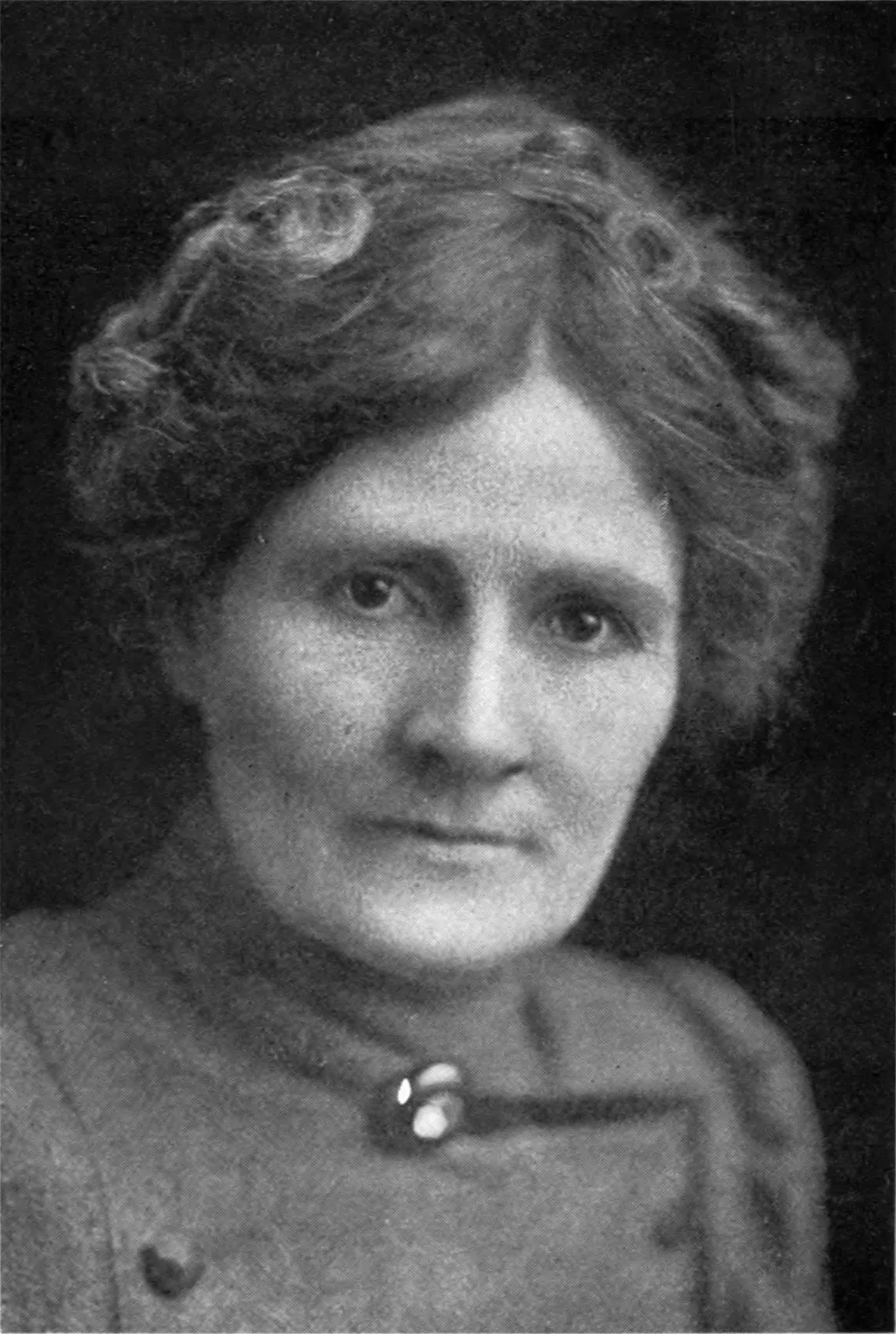
In 1911, Linda Laura Hazzard, operating a sanitarium called Wilderness Heights in Olalla, Washington, was convicted of manslaughter for the deaths of at least 15 patients due to her extreme fasting treatments, which she falsely promoted as cures for various ailments. Hazzard, who had no formal medical training but exploited a legal loophole to practice alternative medicine, was sentenced to 2 to 20 years in prison but served only two years before being paroled in 1915. She received a full pardon in 1916 under the condition of relocating to New Zealand. Hazzard continued her controversial practices until her death from self-imposed starvation in 1938, raising significant concerns about medical ethics and patient safety in alternative medicine practices.
Linda Hazzard is believed to have intentionally starved her patients for financial gain, with theories suggesting that she targeted wealthy individuals who were vulnerable and seeking alternative treatments. Some speculate that her methods were not only a means of profit but also a reflection of her own extreme beliefs about health and wellness. Additionally, there is speculation that her release and subsequent pardon were influenced by her connections and manipulation of the legal system.
In 1911, two wealthy British sisters crossed an ocean for what they believed would be a modern health cure in the forests of the Pacific Northwest. [1] They were Claire and Dora Williamson, heiresses who checked into a secluded sanitorium to undergo the “fasting treatment” of a woman they knew as Dr. Linda Burfield Hazzard. [1]
Victoria Daily Times (1911-08-14) (IA victoriadailytimes19110814).pdf
Wikimedia Commons· Public domain
Long before her name became bound to a true-crime narrative, Linda Burfield Hazzard existed in the dry language of catalogues and medical claims. The Library of Congress records her under the authorized heading “Hazzard, Linda Burfield, 1868–1938,” treating her as a personal name in its official Name Authority File. [2] That same record cites a later book, Starvation Heights, as the source for her birth and death years. [2]
Hazzard wrote not as a cautionary tale but as a believer. She authored Scientific Fasting, a work that would be reissued decades after her death. [2] A 1927 edition, titled Scientific Fasting: The Ancient and Modern Key to Health, lays out her program in confident, almost technical sections: “THE PIONEERS OF THERAPEUTIC FASTING IN AMERICA,” “PART TWO THEORY OF FASTING,” and “PART THREE THE TECHNIC OF FASTING.” [2]
Chapter headings like “UNITY OF DISEASE AND CURE,” “STARVATION,” “WHEN AND WHY TO FAST,” “SYMPTOMS OCCURRING DURING FASTING,” and “DIFFICULTIES ENCOUNTERED IN FASTING” suggest a sweeping claim—that illness could be met, understood, and resolved through controlled deprivation of food. [2] Subsequent sections such as “ILLUSTRATIVE CASES,” “CAUTION AND COUNSEL,” “BREAKING THE FAST,” “FOOD AND DISEASE,” and “DIET” frame fasting not as an emergency measure, but as a complete system of health. [2]
Tropico Interurban Sentinel 1911-11-02 (IA cgl 001072).pdf
Wikimedia Commons· Public domain
It was this system that Claire and Dora Williamson sought out in 1911.
According to the later true-crime account Starvation Heights: A True Story of Murder and Malice in the Woods of the Pacific Northwest, Claire and Dora Williamson arrived that year at Hazzard’s sanitorium to undergo her fasting cure. [1] The facility stood in the woods of the region, remote enough that the surrounding community coined its stark nickname: Starvation Heights. [1]
The book describes the sisters as “two wealthy British heiresses,” drawn not to a backroom charlatan but to a touted health regimen. [1] Hazzard presented fasting as a scientific, even modern key to wellness, the same philosophy she would put in print in Scientific Fasting. [2]
Once they entered her institution, the story darkened quickly.
In the version laid out by journalist and investigative author Gregg Olsen, the Williamson sisters’ treatment was not a gentle diet. [1] Within a month of arriving at Starvation Heights, Claire and Dora endured what the book calls “brutal treatments” and were left skeletal from extreme fasting. [1]
The Enterprise 1913-08-30 (IA cssf 000936).pdf
Wikimedia Commons· Public domain
As their bodies failed, their financial security allegedly went the same way. The book’s description states that their jewelry disappeared while they were in Hazzard’s care. [1] It also alleges that forged bank drafts began moving their wealth into Hazzard’s own accounts, shifting control of the heiresses’ money even as they grew too weak to resist. [1]
Decades after Hazzard’s recorded lifetime, Gregg Olsen’s book fixed her in the cultural imagination as more than an eccentric health reformer. Starvation Heights, published by Crown and running 448 pages, is marketed squarely as true crime, classified under subjects including United States regional history, criminology, and “True Crime / Murder / Serial Killers.” [1]
© Mapbox © OpenStreetMap
In that framing, Olsen describes Linda Burfield Hazzard as a “quack doctor of extraordinary evil and greed,” a woman the book’s blurb claims “would stop at nothing short of murder to achieve her ambitions.” [1] He casts the fasting guru not as a misguided idealist but as a calculating predator, using medical authority and isolation to strip patients of both health and assets. [1]
Victoria Daily Times (1911-12-22) (IA victoriadailytimes19111222).pdf
Wikimedia Commons· Public domain
The power of this portrait is clear in the way institutions now record Hazzard. The Library of Congress Name Authority File—the bureaucratic ledger that decides how authors and historical figures are labeled—relies on Starvation Heights for such basic details as Hazzard’s years of birth and death. [2] A woman who once wrote Scientific Fasting as a manual for health is now cataloged, in part, through the lens of a book that presents her as a serial killer figure. [1][2]
Today, Hazzard’s work and her legend exist in tension. Scientific Fasting: The Ancient and Modern Key to Health continues to circulate in reprints, its table of contents still offering “PREPARATION FOR THE FAST,” “SYMPTOMS OCCURRING DURING FASTING,” and precise instructions for “BREAKING THE FAST.” [2] It preserves the voice she wanted the world to hear: disciplined, confident, and convinced that starvation, controlled correctly, could heal. [2]
Starvation Heights, by contrast, preserves the voices of those who did not live—or did not emerge whole—under her care, with Claire and Dora Williamson at the center. [1] In that narrative, the sanitorium in the Pacific Northwest is less a clinic than a trap, and Linda Burfield Hazzard stands as its architect, a “quack doctor” whose fasting gospel masked what the book claims was lethal greed. [1]
Image of Linda Hazzard
Wikimedia Commons· Public domain
Between those two texts—one a handbook, one a true-crime indictment—lies the enduring, unsettling figure of Hazzard herself: recorded in sober library files as an author born in 1868 and dead in 1938, remembered in the public imagination through the fate of two sisters who walked into Starvation Heights and never truly walked back out. [1][2]
Adapted from Wikipedia: Linda Hazzard.
This case file is an original Bloody Likely narrative synthesis based on the cited sources. Article © Bloody Likely. All rights reserved. Source materials remain the property of their respective owners. Facts, public records, quotations, and cited references are used for reporting, research, commentary, and documentation. Bloody Likely content license
No recent news articles found for this case. Check back later for updates.
No evidence found for this case. Be the first to submit evidence in the comments below.
Join the discussion
Loading comments...
Several patients, including Lenora Wilcox, die under Hazzard's care due to her fasting methods.
Linda Hazzard is convicted of manslaughter for the death of Claire Williamson, a wealthy patient.
Hazzard's trial reveals she forged Williamson's will and stole her valuables.
Hazzard is sentenced to 2 to 20 years in prison for manslaughter.
Hazzard is released on parole after serving two years in prison.
Governor Ernest Lister grants Hazzard a full pardon, allowing her to move to New Zealand.
Hazzard is charged for practicing medicine without a license in New Zealand.
Hazzard's sanitarium, previously known as 'Starvation Heights', burns down.
Linda Hazzard dies of starvation while attempting one of her own fasting cures.