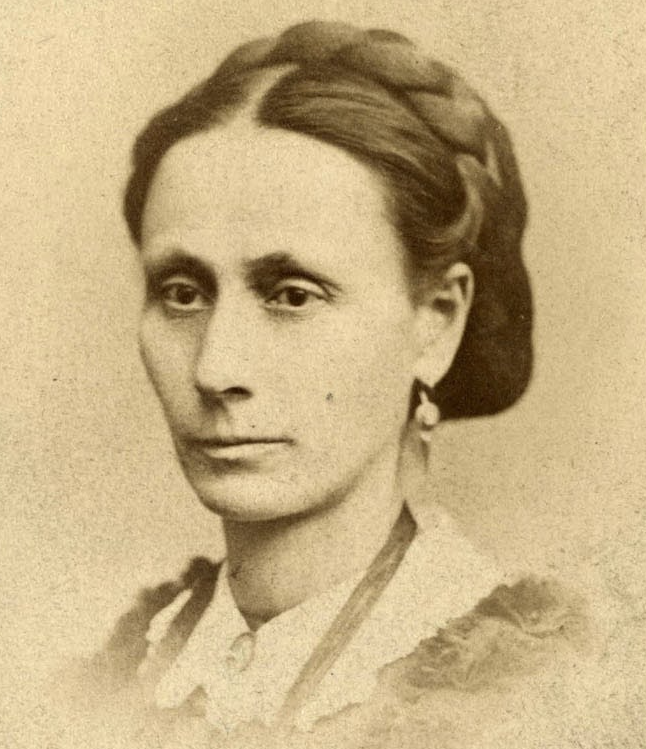
Lydia Sherman
Female Serial Killer
CLASSIFICATION: Serial Homicide
LOCATION
Burlington, New Jersey
TIME PERIOD
1863-1877
VICTIMS
11 confirmed
Lydia Sherman, known as the Derby Poisoner, was an American serial killer who poisoned a total of 11 victims, including six of her own children and three husbands, between 1863 and 1877. The crimes predominantly took place in Connecticut and Rhode Island, with her first known murder occurring in 1864 when she poisoned her first husband, Edward Struck, followed by the deaths of her children, which were initially attributed to typhoid fever. Sherman was apprehended on June 7, 1872, and convicted of second-degree murder, receiving a life sentence. After escaping from prison under the guise of illness, she was recaptured and died in Wethersfield State Prison on May 16, 1878, from cancer. Significant evidence included her confession and the analysis of the victims' remains, which revealed arsenic poisoning.
Lydia Sherman is believed to have poisoned her victims to gain financial benefits through life insurance policies or to eliminate those she perceived as burdens. Some speculate that her troubled upbringing and experiences with loss may have contributed to her actions, suggesting a psychological motive rooted in her childhood trauma. Additionally, there is speculation that her ability to escape prison and secure employment afterward indicates a level of cunning and manipulation that she used throughout her life to evade justice.
The Chilling Tale of Lydia Sherman: The Derby Poisoner
Introduction
Lydia Sherman, known by the ominous moniker "The Derby Poisoner," was a notorious American serial killer whose life was marked by a string of chilling crimes. Born Lydia Danbury on December 24, 1824, in Burlington, New Jersey, she would grow up to become a figure of infamy, leaving a trail of poisoned victims in her wake. Her gruesome acts spanned over a decade, claiming the lives of eleven individuals, including her own children and husbands, before her eventual capture and imprisonment. This narrative delves into the unsettling life and crimes of Lydia Sherman, whose tale is as haunting as it is compelling.
Early Life
Orphaned at a young age, Lydia was raised by her uncle, John Claygay, a farmer who provided her with a modest upbringing. By the age of 16, she had taken up work as a tailor. It was during this time that she crossed paths with Edward Struck, a meeting facilitated by their mutual involvement in the Methodist church. At just 17, Lydia married Edward, and the couple moved to New York City in search of a better life.
First Murders
The early years of their marriage were marred by hardship. Edward fell into a deep depression after losing his job, a situation that weighed heavily on the household. In 1864, Lydia took a dark turn, poisoning Edward with arsenic, leading to his untimely death. The tragedy did not end there. Six weeks later, tragedy struck again when Lydia poisoned three of her young children, attributing their deaths to "typhoid fever" on their death certificates. The following year, in 1865, she repeated this horrifying act, claiming the lives of two more children in the same deceitful manner.
A New Beginning and More Deaths
After these tragic events, Lydia found work as a nurse, a position that perhaps offered her the opportunity to further her sinister intentions. In 1868, she married Dennis Hurlburt, a widower. Observing his declining health, she poisoned him with arsenic, echoing her previous crimes. Not long after, in 1870, Lydia wed Horatio Sherman. Just as with her previous husbands, Horatio met a similar fate, succumbing to poisoning in May 1871.
Capture and Escape
Lydia's reign of terror came to an abrupt halt on June 7, 1872, when she was apprehended and subsequently convicted of second-degree murder. Sentenced to life imprisonment, she was incarcerated at Wethersfield State Prison in Connecticut. However, her story took an unexpected twist when, five years into her sentence, she feigned illness to orchestrate an escape. Under the guise of poor health, she managed to secure employment as a housekeeper for a wealthy widower in Providence.
Recapture and Death
Lydia's freedom was short-lived. Authorities soon recaptured her, returning her to Wethersfield State Prison. Her life came to a quiet end on May 16, 1878, when she died of cancer at the age of 53, leaving behind a legacy of infamy and horror.
Legacy
Lydia Sherman’s story is a chilling reminder of the darkness that can lurk in the human heart. Her calculated and cold-hearted actions earned her a place in the annals of American crime history. Known as "The Derby Poisoner," Lydia's life and crimes continue to captivate and horrify, serving as a testament to her sinister legacy.
Sources
No Recent News
No recent news articles found for this case. Check back later for updates.
No Evidence Submitted
No evidence found for this case. Be the first to submit evidence in the comments below.
Join the discussion
Loading comments...
First Murder Committed
Lydia Sherman poisons her first husband, Edward Struck, with arsenic.
Children Poisoned
Lydia poisons three of her young children, later claiming they died of typhoid fever.
Additional Child Murders
Lydia poisons two more of her children, continuing her pattern of murder.
Second Husband Poisoned
Lydia marries Dennis Hurlburt and poisons him after noticing his declining health.
Third Husband Murdered
Lydia marries Horatio Sherman and poisons him, completing her series of murders.
Arrested
Lydia Sherman is apprehended and charged with the murders of her husbands and children.
Convicted of Murder
Lydia is convicted of second-degree murder and sentenced to life imprisonment.
Escapes Prison
Lydia escapes from prison under the pretext of being sick.
Death in Prison
Lydia Sherman dies from cancer while imprisoned at Wethersfield State Prison.
Lydia Sherman, known as the Derby Poisoner, was an American serial killer who poisoned a total of 11 victims, including six of her own children and three husbands, between 1863 and 1877. The crimes predominantly took place in Connecticut and Rhode Island, with her first known murder occurring in 1864 when she poisoned her first husband, Edward Struck, followed by the deaths of her children, which were initially attributed to typhoid fever. Sherman was apprehended on June 7, 1872, and convicted of second-degree murder, receiving a life sentence. After escaping from prison under the guise of illness, she was recaptured and died in Wethersfield State Prison on May 16, 1878, from cancer. Significant evidence included her confession and the analysis of the victims' remains, which revealed arsenic poisoning.
Lydia Sherman is believed to have poisoned her victims to gain financial benefits through life insurance policies or to eliminate those she perceived as burdens. Some speculate that her troubled upbringing and experiences with loss may have contributed to her actions, suggesting a psychological motive rooted in her childhood trauma. Additionally, there is speculation that her ability to escape prison and secure employment afterward indicates a level of cunning and manipulation that she used throughout her life to evade justice.
The Chilling Tale of Lydia Sherman: The Derby Poisoner
Introduction
Lydia Sherman, known by the ominous moniker "The Derby Poisoner," was a notorious American serial killer whose life was marked by a string of chilling crimes. Born Lydia Danbury on December 24, 1824, in Burlington, New Jersey, she would grow up to become a figure of infamy, leaving a trail of poisoned victims in her wake. Her gruesome acts spanned over a decade, claiming the lives of eleven individuals, including her own children and husbands, before her eventual capture and imprisonment. This narrative delves into the unsettling life and crimes of Lydia Sherman, whose tale is as haunting as it is compelling.
Early Life
Orphaned at a young age, Lydia was raised by her uncle, John Claygay, a farmer who provided her with a modest upbringing. By the age of 16, she had taken up work as a tailor. It was during this time that she crossed paths with Edward Struck, a meeting facilitated by their mutual involvement in the Methodist church. At just 17, Lydia married Edward, and the couple moved to New York City in search of a better life.
First Murders
The early years of their marriage were marred by hardship. Edward fell into a deep depression after losing his job, a situation that weighed heavily on the household. In 1864, Lydia took a dark turn, poisoning Edward with arsenic, leading to his untimely death. The tragedy did not end there. Six weeks later, tragedy struck again when Lydia poisoned three of her young children, attributing their deaths to "typhoid fever" on their death certificates. The following year, in 1865, she repeated this horrifying act, claiming the lives of two more children in the same deceitful manner.
A New Beginning and More Deaths
After these tragic events, Lydia found work as a nurse, a position that perhaps offered her the opportunity to further her sinister intentions. In 1868, she married Dennis Hurlburt, a widower. Observing his declining health, she poisoned him with arsenic, echoing her previous crimes. Not long after, in 1870, Lydia wed Horatio Sherman. Just as with her previous husbands, Horatio met a similar fate, succumbing to poisoning in May 1871.
Capture and Escape
Lydia's reign of terror came to an abrupt halt on June 7, 1872, when she was apprehended and subsequently convicted of second-degree murder. Sentenced to life imprisonment, she was incarcerated at Wethersfield State Prison in Connecticut. However, her story took an unexpected twist when, five years into her sentence, she feigned illness to orchestrate an escape. Under the guise of poor health, she managed to secure employment as a housekeeper for a wealthy widower in Providence.
Recapture and Death
Lydia's freedom was short-lived. Authorities soon recaptured her, returning her to Wethersfield State Prison. Her life came to a quiet end on May 16, 1878, when she died of cancer at the age of 53, leaving behind a legacy of infamy and horror.
Legacy
Lydia Sherman’s story is a chilling reminder of the darkness that can lurk in the human heart. Her calculated and cold-hearted actions earned her a place in the annals of American crime history. Known as "The Derby Poisoner," Lydia's life and crimes continue to captivate and horrify, serving as a testament to her sinister legacy.
Sources
No Recent News
No recent news articles found for this case. Check back later for updates.
No Evidence Submitted
No evidence found for this case. Be the first to submit evidence in the comments below.
Join the discussion
Loading comments...
First Murder Committed
Lydia Sherman poisons her first husband, Edward Struck, with arsenic.
Children Poisoned
Lydia poisons three of her young children, later claiming they died of typhoid fever.
Additional Child Murders
Lydia poisons two more of her children, continuing her pattern of murder.
Second Husband Poisoned
Lydia marries Dennis Hurlburt and poisons him after noticing his declining health.
Third Husband Murdered
Lydia marries Horatio Sherman and poisons him, completing her series of murders.
Arrested
Lydia Sherman is apprehended and charged with the murders of her husbands and children.
Convicted of Murder
Lydia is convicted of second-degree murder and sentenced to life imprisonment.
Escapes Prison
Lydia escapes from prison under the pretext of being sick.
Death in Prison
Lydia Sherman dies from cancer while imprisoned at Wethersfield State Prison.