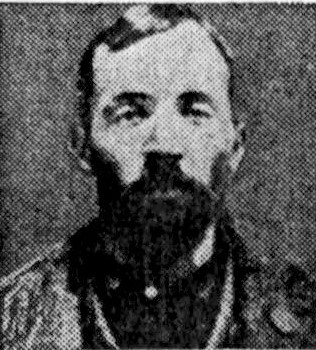
Martin Stickles
Executed Serial Killer Case
CLASSIFICATION: Serial Homicide
LOCATION
Cowlitz County, Washington
TIME PERIOD
1899-1900
VICTIMS
3 confirmed
In 1899 and 1900, Martin Stickles, known as "The Kelso Killer," committed a series of murders in Cowlitz County, Washington, resulting in the deaths of three individuals, including his first victim, William B. Shanklin, who was shot and robbed in his home. Stickles was apprehended in 1900, convicted of the murders, and subsequently executed by hanging on January 25, 1901. The case is considered solved, with Stickles' execution concluding the investigation.
The content discusses the case of Martin Stickles, known as The Kelso Killer, highlighting theories surrounding his mental health and the circumstances leading to his violent behavior. Speculation arises from his mother's claims about his "unnatural" temperament and illness during childhood, suggesting that these factors may have contributed to his later actions. Additionally, there is concern regarding the fairness of his trial and execution, given the possible influence of mental illness on his criminal behavior.
Martin Stickles
The Kelso Killer: An American Nightmare
Martin Stickles (February 7, 1870 – January 25, 1901), infamously known as The Kelso Killer, was an American serial killer whose heinous crimes left an indelible mark on Cowlitz County, Washington, in the late 19th century. Over the course of 1899 and 1900, Stickles murdered three individuals, ultimately facing execution for these atrocities just a year later. His case raised serious questions about mental health and criminal responsibility in the justice system.
Quick Facts
- Born: February 7, 1870, Adams County, Iowa, U.S.
- Died: January 25, 1901 (aged 30), Kalama, Washington, U.S.
- Cause of Death: Execution by hanging
- Other Names: The Kelso Killer
- Conviction: Murder (3 counts)
- Criminal Penalty: Death
- Victims: 3
- Span of Crimes: 1899–1900
- Country: United States
- State: Washington
- Date Apprehended: 1900
Early Life
Martin Stickles was born into a troubled existence; his family relocated to Washington when he was just 18 months old. His mother described him as a sickly child, prone to unexplained fits of anger, which she considered "unnatural." This early onset of troubling behavior set the stage for a life that would culminate in unimaginable violence. By the time of his murders, Stickles had become a recluse, living on a scow and earning a meager living as a fisherman, navigating the Columbia, Cowlitz, and Coweeman Rivers.
The Murders
William Shanklin
The chilling saga of Stickles began on November 22, 1899, when he targeted William B. Shanklin, a bachelor farmer and former neighbor. While Shanklin sat down for supper in his cabin in Kelso, Stickles, lurking in the shadows, shot him through the window with a rifle, killing him instantly. This wasn’t just a murder; it was a calculated act of betrayal. After the killing, Stickles ransacked the home for valuables before setting it ablaze to obliterate any evidence. Despite a $300 reward offered by Governor John Rankin Rogers and extensive investigation efforts, no one was convicted. An innocent weaver was initially tried but later released, adding a layer of confusion to an already twisted case.
The Knapp Couple
Fast forward to November 28, 1900, and Stickles struck again. This time, he traveled to Castle Rock to murder an elderly couple, Cornelius and his wife, who were quietly enjoying their supper. In a manner eerily reminiscent of Shanklin's murder, both were shot through the window with a rifle. Stickles again looted the house, but this time, he refrained from setting it on fire. The similarities between the two crimes left investigators desperate for answers, and suspicion began to mount around Stickles.
Trial, Imprisonment, and Execution
The break in the case came when Stickles was interrogated about the murders. Initially, he protested his innocence, but everything changed when investigators revealed they had recovered a watch and keys belonging to Shanklin. Faced with undeniable evidence, Stickles confessed to all three murders but attempted to shift blame onto a neighbor, Edward Pierce, claiming he was merely an accomplice. His claims of being led astray by the allure of stolen goods fell flat, especially since investigators had found only a single set of footprints leading away from the crime scenes—believed to be Stickles’s own.
As the case unfolded, Stickles displayed a disturbing lack of remorse. His recounting of the murders was marked by a childish indifference, punctuated by laughter and a bizarre sense of joy, even as he contradicted himself.
While awaiting trial at the Pierce County jail in December 1900, Stickles had a moment of apparent reflection when members of The Salvation Army visited. After being moved by their sermon, he converted to Christianity, admitting to the clergy that he had committed the murders alone. With impending execution looming, Stickles exhibited an unsettling cheerfulness, claiming he would accept whatever sentence the court imposed.
On the day of his arraignment, he pleaded not guilty, a stark contrast to the confessions made earlier. His defense team argued for leniency, citing his "unsound mind" and "unnatural" behavior. However, the jury deliberated for just an hour before finding him guilty of all charges. Judge Miller sentenced him to hang.
On January 25, 1901, as the gallows awaited, Stickles delivered a brief speech, expressing a wish for Jesus to embrace him in heaven. The execution itself was tragically botched; the drop was miscalculated, resulting in severe injuries to Stickles’s neck and causing blood to spurt from the wounds. After a few agonizing minutes, a team of psychiatrists confirmed his death, and his body was quickly turned over to family for burial.
An intriguing detail emerged during the execution: a mysterious veiled woman was reported to have attended, later identified as someone to whom Stickles had promised marriage via a newspaper ad. This final twist only added to the sordid tale of The Kelso Killer.
Stickles's execution became part of a broader conversation around botched executions in Washington State, alongside other infamous cases, highlighting the complexities and ethical dilemmas of capital punishment.
See Also
- List of serial killers in the United States
- List of people executed in Washington
- Capital punishment in Washington (state)
- List of botched executions
Sources
- "HANGING OF STICKEL" . Condon Globe. January 31, 1901.
- "KNAPP MURDERER JAILED" . Seattle Post-Intelligencer . December 6, 1900.
- "STICKEL TO BE HANGED FOR THREE MURDERS" . The San Francisco Call. December 20, 1900.
- "SENTENCED TO HANG" . Waterbury Democrat. December 20, 1900.
- "STICKEL STILL CALLOUS" . Seattle Post-Intelligencer. December 10, 1900.
- "CONFESSES AFTER HIS CONVERSION TO CHRISTIAN FAITH" . The San Francisco Call . December 11, 1900.
- "HANGMAN DOES BUNGLING WORK" . The San Francisco Call. January 26, 1901.
- "News section" . The Oregon Mist. March 1, 1901.
- Gordon Newell. "Executions never pleasant, some worse than others".
For further reading, check out the original Wikipedia article here.
No Recent News
No recent news articles found for this case. Check back later for updates.
No Evidence Submitted
No evidence found for this case. Be the first to submit evidence in the comments below.
Join the discussion
Loading comments...
First Murder: William Shanklin
Martin Stickles shoots William Shanklin through a window and steals valuables.
Second Murder: Knapp Couple
Stickles murders Cornelius and his wife during supper, stealing their valuables.
Arrest of Martin Stickles
Stickles is apprehended after evidence links him to the murders.
Confession to Murders
Stickles confesses to the murders after a religious conversion.
Trial Verdict
Stickles is found guilty of three counts of murder after a brief deliberation.
Execution of Stickles
Martin Stickles is executed by hanging, resulting in a botched execution.
In 1899 and 1900, Martin Stickles, known as "The Kelso Killer," committed a series of murders in Cowlitz County, Washington, resulting in the deaths of three individuals, including his first victim, William B. Shanklin, who was shot and robbed in his home. Stickles was apprehended in 1900, convicted of the murders, and subsequently executed by hanging on January 25, 1901. The case is considered solved, with Stickles' execution concluding the investigation.
The content discusses the case of Martin Stickles, known as The Kelso Killer, highlighting theories surrounding his mental health and the circumstances leading to his violent behavior. Speculation arises from his mother's claims about his "unnatural" temperament and illness during childhood, suggesting that these factors may have contributed to his later actions. Additionally, there is concern regarding the fairness of his trial and execution, given the possible influence of mental illness on his criminal behavior.
Martin Stickles
The Kelso Killer: An American Nightmare
Martin Stickles (February 7, 1870 – January 25, 1901), infamously known as The Kelso Killer, was an American serial killer whose heinous crimes left an indelible mark on Cowlitz County, Washington, in the late 19th century. Over the course of 1899 and 1900, Stickles murdered three individuals, ultimately facing execution for these atrocities just a year later. His case raised serious questions about mental health and criminal responsibility in the justice system.
Quick Facts
- Born: February 7, 1870, Adams County, Iowa, U.S.
- Died: January 25, 1901 (aged 30), Kalama, Washington, U.S.
- Cause of Death: Execution by hanging
- Other Names: The Kelso Killer
- Conviction: Murder (3 counts)
- Criminal Penalty: Death
- Victims: 3
- Span of Crimes: 1899–1900
- Country: United States
- State: Washington
- Date Apprehended: 1900
Early Life
Martin Stickles was born into a troubled existence; his family relocated to Washington when he was just 18 months old. His mother described him as a sickly child, prone to unexplained fits of anger, which she considered "unnatural." This early onset of troubling behavior set the stage for a life that would culminate in unimaginable violence. By the time of his murders, Stickles had become a recluse, living on a scow and earning a meager living as a fisherman, navigating the Columbia, Cowlitz, and Coweeman Rivers.
The Murders
William Shanklin
The chilling saga of Stickles began on November 22, 1899, when he targeted William B. Shanklin, a bachelor farmer and former neighbor. While Shanklin sat down for supper in his cabin in Kelso, Stickles, lurking in the shadows, shot him through the window with a rifle, killing him instantly. This wasn’t just a murder; it was a calculated act of betrayal. After the killing, Stickles ransacked the home for valuables before setting it ablaze to obliterate any evidence. Despite a $300 reward offered by Governor John Rankin Rogers and extensive investigation efforts, no one was convicted. An innocent weaver was initially tried but later released, adding a layer of confusion to an already twisted case.
The Knapp Couple
Fast forward to November 28, 1900, and Stickles struck again. This time, he traveled to Castle Rock to murder an elderly couple, Cornelius and his wife, who were quietly enjoying their supper. In a manner eerily reminiscent of Shanklin's murder, both were shot through the window with a rifle. Stickles again looted the house, but this time, he refrained from setting it on fire. The similarities between the two crimes left investigators desperate for answers, and suspicion began to mount around Stickles.
Trial, Imprisonment, and Execution
The break in the case came when Stickles was interrogated about the murders. Initially, he protested his innocence, but everything changed when investigators revealed they had recovered a watch and keys belonging to Shanklin. Faced with undeniable evidence, Stickles confessed to all three murders but attempted to shift blame onto a neighbor, Edward Pierce, claiming he was merely an accomplice. His claims of being led astray by the allure of stolen goods fell flat, especially since investigators had found only a single set of footprints leading away from the crime scenes—believed to be Stickles’s own.
As the case unfolded, Stickles displayed a disturbing lack of remorse. His recounting of the murders was marked by a childish indifference, punctuated by laughter and a bizarre sense of joy, even as he contradicted himself.
While awaiting trial at the Pierce County jail in December 1900, Stickles had a moment of apparent reflection when members of The Salvation Army visited. After being moved by their sermon, he converted to Christianity, admitting to the clergy that he had committed the murders alone. With impending execution looming, Stickles exhibited an unsettling cheerfulness, claiming he would accept whatever sentence the court imposed.
On the day of his arraignment, he pleaded not guilty, a stark contrast to the confessions made earlier. His defense team argued for leniency, citing his "unsound mind" and "unnatural" behavior. However, the jury deliberated for just an hour before finding him guilty of all charges. Judge Miller sentenced him to hang.
On January 25, 1901, as the gallows awaited, Stickles delivered a brief speech, expressing a wish for Jesus to embrace him in heaven. The execution itself was tragically botched; the drop was miscalculated, resulting in severe injuries to Stickles’s neck and causing blood to spurt from the wounds. After a few agonizing minutes, a team of psychiatrists confirmed his death, and his body was quickly turned over to family for burial.
An intriguing detail emerged during the execution: a mysterious veiled woman was reported to have attended, later identified as someone to whom Stickles had promised marriage via a newspaper ad. This final twist only added to the sordid tale of The Kelso Killer.
Stickles's execution became part of a broader conversation around botched executions in Washington State, alongside other infamous cases, highlighting the complexities and ethical dilemmas of capital punishment.
See Also
- List of serial killers in the United States
- List of people executed in Washington
- Capital punishment in Washington (state)
- List of botched executions
Sources
- "HANGING OF STICKEL" . Condon Globe. January 31, 1901.
- "KNAPP MURDERER JAILED" . Seattle Post-Intelligencer . December 6, 1900.
- "STICKEL TO BE HANGED FOR THREE MURDERS" . The San Francisco Call. December 20, 1900.
- "SENTENCED TO HANG" . Waterbury Democrat. December 20, 1900.
- "STICKEL STILL CALLOUS" . Seattle Post-Intelligencer. December 10, 1900.
- "CONFESSES AFTER HIS CONVERSION TO CHRISTIAN FAITH" . The San Francisco Call . December 11, 1900.
- "HANGMAN DOES BUNGLING WORK" . The San Francisco Call. January 26, 1901.
- "News section" . The Oregon Mist. March 1, 1901.
- Gordon Newell. "Executions never pleasant, some worse than others".
For further reading, check out the original Wikipedia article here.
No Recent News
No recent news articles found for this case. Check back later for updates.
No Evidence Submitted
No evidence found for this case. Be the first to submit evidence in the comments below.
Join the discussion
Loading comments...
First Murder: William Shanklin
Martin Stickles shoots William Shanklin through a window and steals valuables.
Second Murder: Knapp Couple
Stickles murders Cornelius and his wife during supper, stealing their valuables.
Arrest of Martin Stickles
Stickles is apprehended after evidence links him to the murders.
Confession to Murders
Stickles confesses to the murders after a religious conversion.
Trial Verdict
Stickles is found guilty of three counts of murder after a brief deliberation.
Execution of Stickles
Martin Stickles is executed by hanging, resulting in a botched execution.