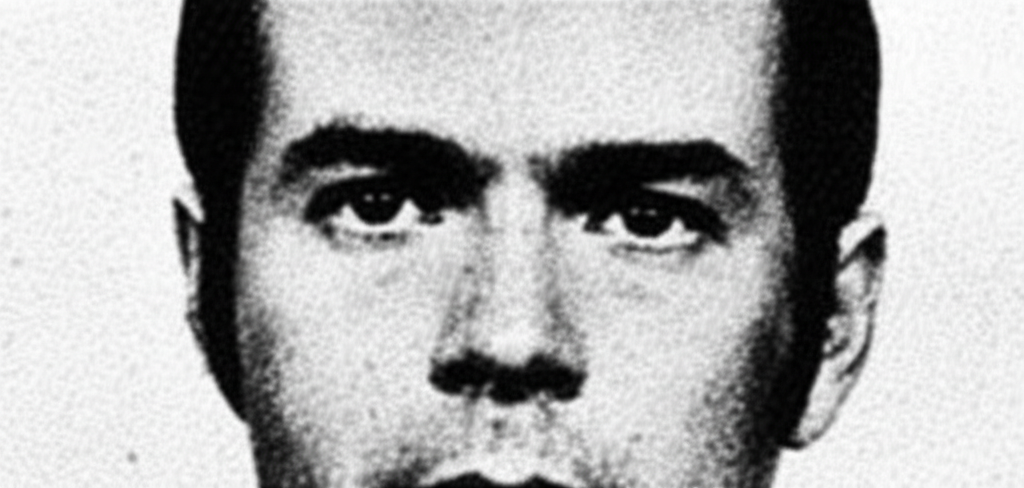
Marvin Gray
Serial Killer Incarcerated Prisoner
CLASSIFICATION: Serial Homicide
LOCATION
Cañon City, Colorado
TIME PERIOD
1971-1992
VICTIMS
41 confirmed
Marvin Gayle Gray, an American serial killer, was active from 1971 to 1992, committing multiple rapes and murders across eight states, including Kentucky, Indiana, and Colorado. He was apprehended in July 1992 and subsequently convicted of second-degree murder, aggravated robbery, and attempted aggravated robbery, receiving a life sentence without parole. Gray claimed to have killed 41 individuals, though the credibility of these confessions remains disputed. He died on July 23, 2013, while serving his sentence at the Colorado State Penitentiary, where he was considered one of the most dangerous inmates due to his violent history and physical strength, which led to his placement in solitary confinement. Significant evidence includes his confessions and the corroboration of at least three confirmed murders, prompting extensive investigations into his claims and activities during his criminal career.
Marvin Gray is believed to have committed as many as 41 murders across multiple states, with some speculating that his claims may be exaggerated or fabricated. Investigators have debated the credibility of his confessions, leading to uncertainty about the true number of his victims. Additionally, his physical strength and history of violent behavior in prison have contributed to perceptions of him as an exceptionally dangerous individual.
The Dark Path of Marvin Gray
Marvin Gayle Gray's story unfolds like a chilling saga of crime and chaos. Born on August 7, 1954, in the rural town of Princeton, Kentucky, Gray's life seemed destined for darkness from the start. By the age of four, he was already battling panic attacks so severe that they required heavy doses of methamphetamines, a struggle that persisted for seven years. Growing up as the seventh of ten children, Marvin found himself in a household fraught with challenges, especially after his father's heart attack in 1965, which left his mother as the sole provider. Freed from his father’s oversight, Marvin's behavior took a turn for the worse, with his academic performance and discipline deteriorating rapidly.
Early Life and First Arrest
Marvin’s first brush with the law came at just 12 years old, when he was caught infiltrating property and theft, landing him in a juvenile detention center. There, he encountered a brutal hierarchy among the minors, fostering a deep-seated rage and hatred towards authority and those stronger than him. By the time he was released in 1968, Marvin had transformed, possessing a newfound sense of cruelty and a penchant for violence. His first day back at school ended in expulsion for carrying deadly weapons and making threats, setting the stage for a life marred by criminal activity.
The Criminal Career Begins
In 1970, Marvin's criminal pursuits escalated when he broke into a neighbor’s garage, stealing a weapon from a car. This marked the beginning of a spree of thefts and attacks that culminated in an arrest for robbery, burglary, and illegal possession of weapons. Consequently, in 1971, at 17, he received a five-year prison sentence and was sent to Kentucky State Prison, ominously nicknamed "The Castle."
While incarcerated, Marvin immersed himself in powerlifting and emerged even stronger, his physique impressive at over 220 pounds and 6 feet 3 inches tall. Upon his release in early 1975, he moved to Denver, Colorado, at the behest of his brother Eugene, and began working at the O'Neal Hotel.
The Denver Incident
In the summer of 1975, Marvin, along with his friend William Felder, found himself embroiled in a violent encounter with law enforcement. Officer James Datsman, investigating the murder of Joseph Didier, was shot at by Marvin and Felder. Although Datsman survived and identified Felder as the shooter, Marvin was only convicted of theft and complicity, receiving a four-year sentence, while Felder was sentenced to 20 years.
During his imprisonment, Marvin was implicated in the murder of fellow inmate David Cook, who was found beaten and strangled. Despite several inmates initially pointing to Marvin as the suspect, they later recanted their statements, and he was never charged.
The Escapes and Murders
Marvin's release in 1978 led him back to Kentucky, where he fathered a son with Sheila Olsbrook. However, his violent tendencies persisted, resulting in his arrest in 1979 for car theft, aided by William Purdue. In March 1980, Marvin, Purdue, and another inmate, Jerry Keller, escaped from prison, leading to a violent altercation where Marvin killed Keller. Purdue vanished without a trace, suspected to be Marvin's victim.
Marvin’s criminal activities continued unabated. After another arrest in 1982, he murdered Joleen Sue Gardner in Denver, stabbing her 14 times. Convicted in 1984, he received a 16-year sentence. Allegations of rape followed in 1986, but the lack of evidence led to only administrative penalties.
The Confessions
By 1991, Marvin was out on parole, but his freedom was short-lived. Violating parole conditions, he traveled to Kentucky, where his family, wary of his violent reputation, sent him back to Colorado. In 1992, a burglary arrest led to a life sentence as a habitual offender.
While incarcerated, Marvin's notoriety grew. He confessed to numerous murders, claiming responsibility for 41 killings across eight states between 1971 and 1992. His admissions included the murder of Joseph Didier and the disappearance of William Purdue. Despite his detailed confessions and a polygraph test that initially supported his claims, inconsistencies and the influence of medication cast doubt on his credibility.
Investigation and Final Years
The FBI’s investigation into Marvin’s claims was fraught with challenges, as many confessions lacked corroborating evidence. Marvin's mental state, shaped by years in solitary confinement, was scrutinized, with experts suggesting his confessions might be a bid to escape isolation. Diagnosed with antisocial personality disorder, Marvin's mental health only complicated the investigation further.
In 2002, Marvin made another bold claim, confessing to the murder of five women in his hometown of Princeton, Kentucky, but the truth of his crimes remained elusive.
Death and Legacy
Marvin Gayle Gray passed away on July 19, 2013, from heart failure at the Colorado State Penitentiary, leaving behind a legacy of violence and mystery. His confessions and the unanswered questions surrounding his crimes continue to haunt those who seek the truth about his life and the lives he claimed.
Sources
No Recent News
No recent news articles found for this case. Check back later for updates.
No Evidence Submitted
No evidence found for this case. Be the first to submit evidence in the comments below.
Join the discussion
Loading comments...
First Murder Committed
Marvin Gray claims to have committed his first murder at age 17.
Murder of Joleen Gardner
Gray stabs Joleen Sue Gardner 14 times, killing her.
Released on Parole
Gray is released on parole after serving time for previous crimes.
Arrested for Burglary
Gray is arrested for burglary, leading to life imprisonment as a habitual offender.
Charged with Prison Murder
Gray is charged with the murder of inmate Daniel Green.
Confession of 23 Murders
Gray confesses to 23 murders, claiming responsibility for multiple killings.
Confession of 31 Murders
Gray increases his confession to 31 murders, detailing his criminal history.
Confession of 5 More Murders
Gray confesses to killing five women in his hometown, seeking to show burial sites.
Death in Prison
Marvin Gray dies from heart failure while imprisoned.
Marvin Gayle Gray, an American serial killer, was active from 1971 to 1992, committing multiple rapes and murders across eight states, including Kentucky, Indiana, and Colorado. He was apprehended in July 1992 and subsequently convicted of second-degree murder, aggravated robbery, and attempted aggravated robbery, receiving a life sentence without parole. Gray claimed to have killed 41 individuals, though the credibility of these confessions remains disputed. He died on July 23, 2013, while serving his sentence at the Colorado State Penitentiary, where he was considered one of the most dangerous inmates due to his violent history and physical strength, which led to his placement in solitary confinement. Significant evidence includes his confessions and the corroboration of at least three confirmed murders, prompting extensive investigations into his claims and activities during his criminal career.
Marvin Gray is believed to have committed as many as 41 murders across multiple states, with some speculating that his claims may be exaggerated or fabricated. Investigators have debated the credibility of his confessions, leading to uncertainty about the true number of his victims. Additionally, his physical strength and history of violent behavior in prison have contributed to perceptions of him as an exceptionally dangerous individual.
The Dark Path of Marvin Gray
Marvin Gayle Gray's story unfolds like a chilling saga of crime and chaos. Born on August 7, 1954, in the rural town of Princeton, Kentucky, Gray's life seemed destined for darkness from the start. By the age of four, he was already battling panic attacks so severe that they required heavy doses of methamphetamines, a struggle that persisted for seven years. Growing up as the seventh of ten children, Marvin found himself in a household fraught with challenges, especially after his father's heart attack in 1965, which left his mother as the sole provider. Freed from his father’s oversight, Marvin's behavior took a turn for the worse, with his academic performance and discipline deteriorating rapidly.
Early Life and First Arrest
Marvin’s first brush with the law came at just 12 years old, when he was caught infiltrating property and theft, landing him in a juvenile detention center. There, he encountered a brutal hierarchy among the minors, fostering a deep-seated rage and hatred towards authority and those stronger than him. By the time he was released in 1968, Marvin had transformed, possessing a newfound sense of cruelty and a penchant for violence. His first day back at school ended in expulsion for carrying deadly weapons and making threats, setting the stage for a life marred by criminal activity.
The Criminal Career Begins
In 1970, Marvin's criminal pursuits escalated when he broke into a neighbor’s garage, stealing a weapon from a car. This marked the beginning of a spree of thefts and attacks that culminated in an arrest for robbery, burglary, and illegal possession of weapons. Consequently, in 1971, at 17, he received a five-year prison sentence and was sent to Kentucky State Prison, ominously nicknamed "The Castle."
While incarcerated, Marvin immersed himself in powerlifting and emerged even stronger, his physique impressive at over 220 pounds and 6 feet 3 inches tall. Upon his release in early 1975, he moved to Denver, Colorado, at the behest of his brother Eugene, and began working at the O'Neal Hotel.
The Denver Incident
In the summer of 1975, Marvin, along with his friend William Felder, found himself embroiled in a violent encounter with law enforcement. Officer James Datsman, investigating the murder of Joseph Didier, was shot at by Marvin and Felder. Although Datsman survived and identified Felder as the shooter, Marvin was only convicted of theft and complicity, receiving a four-year sentence, while Felder was sentenced to 20 years.
During his imprisonment, Marvin was implicated in the murder of fellow inmate David Cook, who was found beaten and strangled. Despite several inmates initially pointing to Marvin as the suspect, they later recanted their statements, and he was never charged.
The Escapes and Murders
Marvin's release in 1978 led him back to Kentucky, where he fathered a son with Sheila Olsbrook. However, his violent tendencies persisted, resulting in his arrest in 1979 for car theft, aided by William Purdue. In March 1980, Marvin, Purdue, and another inmate, Jerry Keller, escaped from prison, leading to a violent altercation where Marvin killed Keller. Purdue vanished without a trace, suspected to be Marvin's victim.
Marvin’s criminal activities continued unabated. After another arrest in 1982, he murdered Joleen Sue Gardner in Denver, stabbing her 14 times. Convicted in 1984, he received a 16-year sentence. Allegations of rape followed in 1986, but the lack of evidence led to only administrative penalties.
The Confessions
By 1991, Marvin was out on parole, but his freedom was short-lived. Violating parole conditions, he traveled to Kentucky, where his family, wary of his violent reputation, sent him back to Colorado. In 1992, a burglary arrest led to a life sentence as a habitual offender.
While incarcerated, Marvin's notoriety grew. He confessed to numerous murders, claiming responsibility for 41 killings across eight states between 1971 and 1992. His admissions included the murder of Joseph Didier and the disappearance of William Purdue. Despite his detailed confessions and a polygraph test that initially supported his claims, inconsistencies and the influence of medication cast doubt on his credibility.
Investigation and Final Years
The FBI’s investigation into Marvin’s claims was fraught with challenges, as many confessions lacked corroborating evidence. Marvin's mental state, shaped by years in solitary confinement, was scrutinized, with experts suggesting his confessions might be a bid to escape isolation. Diagnosed with antisocial personality disorder, Marvin's mental health only complicated the investigation further.
In 2002, Marvin made another bold claim, confessing to the murder of five women in his hometown of Princeton, Kentucky, but the truth of his crimes remained elusive.
Death and Legacy
Marvin Gayle Gray passed away on July 19, 2013, from heart failure at the Colorado State Penitentiary, leaving behind a legacy of violence and mystery. His confessions and the unanswered questions surrounding his crimes continue to haunt those who seek the truth about his life and the lives he claimed.
Sources
No Recent News
No recent news articles found for this case. Check back later for updates.
No Evidence Submitted
No evidence found for this case. Be the first to submit evidence in the comments below.
Join the discussion
Loading comments...
First Murder Committed
Marvin Gray claims to have committed his first murder at age 17.
Murder of Joleen Gardner
Gray stabs Joleen Sue Gardner 14 times, killing her.
Released on Parole
Gray is released on parole after serving time for previous crimes.
Arrested for Burglary
Gray is arrested for burglary, leading to life imprisonment as a habitual offender.
Charged with Prison Murder
Gray is charged with the murder of inmate Daniel Green.
Confession of 23 Murders
Gray confesses to 23 murders, claiming responsibility for multiple killings.
Confession of 31 Murders
Gray increases his confession to 31 murders, detailing his criminal history.
Confession of 5 More Murders
Gray confesses to killing five women in his hometown, seeking to show burial sites.
Death in Prison
Marvin Gray dies from heart failure while imprisoned.