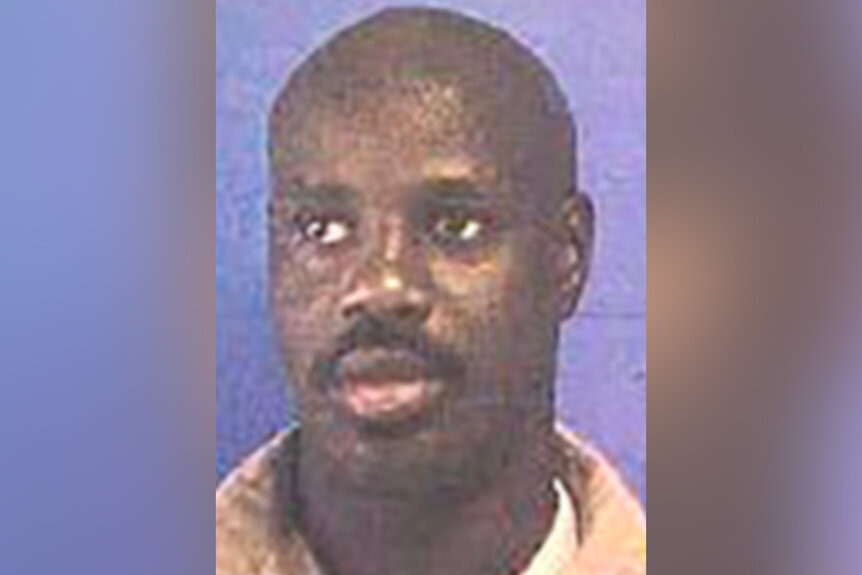
Matthew Steven Johnson
Serial Killer and Rapist
CLASSIFICATION: Serial Homicide
LOCATION
Hartford, Connecticut
TIME PERIOD
2000-2001
VICTIMS
3 confirmed
Matthew Steven Johnson, an American serial killer and rapist, is responsible for the murders of at least three female sex workers between 2000 and 2001 in Hartford, Connecticut. Johnson, born on May 24, 1963, was apprehended on January 13, 2002, and subsequently convicted of three counts of murder, receiving a sentence of 180 years in prison. He is also a suspect in the deaths of two additional women but has not been charged in those cases. Johnson's modus operandi involved luring vulnerable women to isolated locations, where he would sexually assault and then brutally murder them, often using strangulation and physical violence. He is currently incarcerated at Cheshire Correctional Institution.
Matthew Steven Johnson is theorized to have targeted vulnerable women, specifically sex workers, due to their perceived lower social status and reduced likelihood of being reported missing. Some speculate that his early life experiences, including his intellectual disability and aggressive behavior, contributed to his violent tendencies. Additionally, there is speculation that he may be connected to more unsolved cases, suggesting a broader pattern of violence beyond the confirmed murders.
The Dark Path of Matthew Steven Johnson
In the shadowy streets of Hartford, Connecticut, between the years 2000 and 2001, a sinister figure emerged—a man whose heinous acts would forever haunt the city's history. Matthew Steven Johnson, born on May 24, 1963, would become known as a ruthless serial killer, targeting the vulnerable and leaving a trail of terror and death in his wake.
Early Life: A Troubled Beginning
Matthew Steven Johnson's life began in the bustling neighborhoods of Blue Hills and Asylum Hill, where he grew up alongside nine siblings, including his twin. From a young age, Johnson faced adversity. At just 12 years old, a pellet gun accident robbed him of sight in one eye, a physical manifestation of the chaotic path his life would take. Described as a sweet yet immature child, Johnson exhibited troubling behaviors—sucking his thumb when resistant and displaying aggression when faced with denial. His kindergarten teacher noted these alarming traits, foreshadowing the storm to come.
As Johnson transitioned into his teenage years, his challenges only deepened. Despite showing promise in music and physical education, his academic progress was stunted by an intellectual disability and debilitating seizures. By the age of 17, he had distanced himself from his father, turning to drugs and alcohol to cope with his growing depression. Despite these struggles, Johnson sought solace at The Institute of Living in Hartford, where he earned a high school equivalency diploma and briefly worked as a laborer.
The Descent Into Crime
Johnson's early adulthood was marred by violence and crime. At 19, he attempted a robbery at Asylum Hill's Cathedral of St. Joseph, nearly killing a security guard in the process. This act of violence earned him a 10-year prison sentence, of which he served only four. Earlier, in May 1980, he had already assaulted a pregnant woman, and his reign of terror continued with the forcible restraint of one woman in 1988 and the brutal rape and beating of another two years later. Each time, his victims' courage led to his capture and conviction.
Upon his release, Johnson drifted into homelessness. It was during this period that he crossed a terrifying line, luring drug-addicted sex workers to isolated areas of Hartford. After engaging in sexual acts, he would strangle and viciously stomp his victims, crushing their necks and skulls. His known victims included Aida Quinones, Rosali Jimenez, and Alesia Ford, whose lives were brutally ended in 2000 and 2001. Johnson is also suspected in the deaths of LaDawn Roberts and Rosalind A. Casey, although charges were never filed in these cases.
The Investigation and Arrest
The relentless pursuit of justice was led by forensic scientist Henry Lee, who meticulously connected the dots between the similar deaths through DNA evidence. The breakthrough came from semen, blood splatters, and cigarette butts found at the crime scenes, which were matched to Johnson through a database of convicted sex offenders. On January 13, 2002, authorities apprehended Johnson, setting the stage for his trial.
The Trial and Sentence
In the courtroom, emotions ran high. Gabriel Jimenez, the brother of victim Rosali Jimenez, implored the jury to deliver the maximum penalty. Despite the overwhelming evidence, Johnson maintained his innocence, expressing sympathy for the victims' families yet denying his guilt. As the judge delivered the verdict, Johnson remained impassive, staring ahead without a trace of reaction.
Connecticut law dictated a maximum sentence of 60 years for murder unless special circumstances applied. Johnson received three consecutive 60-year sentences, totaling 180 years, ensuring he would never walk free again. In 2008, the Connecticut Supreme Court upheld this verdict, rejecting Johnson's appeal for separate trials and his implausible claim of celibacy since 1982.
The Legacy of Terror
Matthew Steven Johnson's legacy is one of brutality and heartbreak. His calculated and savage attacks on some of society's most vulnerable individuals left an indelible scar on Hartford. As he serves his sentence at Cheshire Correctional Institution, the city continues to grapple with the dark memories of his reign of terror.
Sources
For further reading on Matthew Steven Johnson, you can access the original Wikipedia article here.
No Recent News
No recent news articles found for this case. Check back later for updates.
No Evidence Submitted
No evidence found for this case. Be the first to submit evidence in the comments below.
Join the discussion
Loading comments...
First Murder Committed
Matthew Steven Johnson murders Aida Quinones, a sex worker, in Hartford.
Second Murder Committed
Johnson kills Rosali Jimenez, another sex worker, in Hartford.
Third Murder Committed
Johnson murders Alesia Ford, completing his known killing spree.
Arrest Made
Matthew Steven Johnson is arrested after DNA evidence links him to the murders.
Guilty Verdict
Johnson is found guilty of three counts of murder in court.
Sentenced to 180 Years
Johnson receives a 180-year prison sentence for his crimes.
Appeal Denied
Connecticut's Supreme Court upholds Johnson's conviction and sentence.
Matthew Steven Johnson, an American serial killer and rapist, is responsible for the murders of at least three female sex workers between 2000 and 2001 in Hartford, Connecticut. Johnson, born on May 24, 1963, was apprehended on January 13, 2002, and subsequently convicted of three counts of murder, receiving a sentence of 180 years in prison. He is also a suspect in the deaths of two additional women but has not been charged in those cases. Johnson's modus operandi involved luring vulnerable women to isolated locations, where he would sexually assault and then brutally murder them, often using strangulation and physical violence. He is currently incarcerated at Cheshire Correctional Institution.
Matthew Steven Johnson is theorized to have targeted vulnerable women, specifically sex workers, due to their perceived lower social status and reduced likelihood of being reported missing. Some speculate that his early life experiences, including his intellectual disability and aggressive behavior, contributed to his violent tendencies. Additionally, there is speculation that he may be connected to more unsolved cases, suggesting a broader pattern of violence beyond the confirmed murders.
The Dark Path of Matthew Steven Johnson
In the shadowy streets of Hartford, Connecticut, between the years 2000 and 2001, a sinister figure emerged—a man whose heinous acts would forever haunt the city's history. Matthew Steven Johnson, born on May 24, 1963, would become known as a ruthless serial killer, targeting the vulnerable and leaving a trail of terror and death in his wake.
Early Life: A Troubled Beginning
Matthew Steven Johnson's life began in the bustling neighborhoods of Blue Hills and Asylum Hill, where he grew up alongside nine siblings, including his twin. From a young age, Johnson faced adversity. At just 12 years old, a pellet gun accident robbed him of sight in one eye, a physical manifestation of the chaotic path his life would take. Described as a sweet yet immature child, Johnson exhibited troubling behaviors—sucking his thumb when resistant and displaying aggression when faced with denial. His kindergarten teacher noted these alarming traits, foreshadowing the storm to come.
As Johnson transitioned into his teenage years, his challenges only deepened. Despite showing promise in music and physical education, his academic progress was stunted by an intellectual disability and debilitating seizures. By the age of 17, he had distanced himself from his father, turning to drugs and alcohol to cope with his growing depression. Despite these struggles, Johnson sought solace at The Institute of Living in Hartford, where he earned a high school equivalency diploma and briefly worked as a laborer.
The Descent Into Crime
Johnson's early adulthood was marred by violence and crime. At 19, he attempted a robbery at Asylum Hill's Cathedral of St. Joseph, nearly killing a security guard in the process. This act of violence earned him a 10-year prison sentence, of which he served only four. Earlier, in May 1980, he had already assaulted a pregnant woman, and his reign of terror continued with the forcible restraint of one woman in 1988 and the brutal rape and beating of another two years later. Each time, his victims' courage led to his capture and conviction.
Upon his release, Johnson drifted into homelessness. It was during this period that he crossed a terrifying line, luring drug-addicted sex workers to isolated areas of Hartford. After engaging in sexual acts, he would strangle and viciously stomp his victims, crushing their necks and skulls. His known victims included Aida Quinones, Rosali Jimenez, and Alesia Ford, whose lives were brutally ended in 2000 and 2001. Johnson is also suspected in the deaths of LaDawn Roberts and Rosalind A. Casey, although charges were never filed in these cases.
The Investigation and Arrest
The relentless pursuit of justice was led by forensic scientist Henry Lee, who meticulously connected the dots between the similar deaths through DNA evidence. The breakthrough came from semen, blood splatters, and cigarette butts found at the crime scenes, which were matched to Johnson through a database of convicted sex offenders. On January 13, 2002, authorities apprehended Johnson, setting the stage for his trial.
The Trial and Sentence
In the courtroom, emotions ran high. Gabriel Jimenez, the brother of victim Rosali Jimenez, implored the jury to deliver the maximum penalty. Despite the overwhelming evidence, Johnson maintained his innocence, expressing sympathy for the victims' families yet denying his guilt. As the judge delivered the verdict, Johnson remained impassive, staring ahead without a trace of reaction.
Connecticut law dictated a maximum sentence of 60 years for murder unless special circumstances applied. Johnson received three consecutive 60-year sentences, totaling 180 years, ensuring he would never walk free again. In 2008, the Connecticut Supreme Court upheld this verdict, rejecting Johnson's appeal for separate trials and his implausible claim of celibacy since 1982.
The Legacy of Terror
Matthew Steven Johnson's legacy is one of brutality and heartbreak. His calculated and savage attacks on some of society's most vulnerable individuals left an indelible scar on Hartford. As he serves his sentence at Cheshire Correctional Institution, the city continues to grapple with the dark memories of his reign of terror.
Sources
For further reading on Matthew Steven Johnson, you can access the original Wikipedia article here.
No Recent News
No recent news articles found for this case. Check back later for updates.
No Evidence Submitted
No evidence found for this case. Be the first to submit evidence in the comments below.
Join the discussion
Loading comments...
First Murder Committed
Matthew Steven Johnson murders Aida Quinones, a sex worker, in Hartford.
Second Murder Committed
Johnson kills Rosali Jimenez, another sex worker, in Hartford.
Third Murder Committed
Johnson murders Alesia Ford, completing his known killing spree.
Arrest Made
Matthew Steven Johnson is arrested after DNA evidence links him to the murders.
Guilty Verdict
Johnson is found guilty of three counts of murder in court.
Sentenced to 180 Years
Johnson receives a 180-year prison sentence for his crimes.
Appeal Denied
Connecticut's Supreme Court upholds Johnson's conviction and sentence.