Michael Bruce Ross
American Serial Killer Case
CLASSIFICATION: Serial Homicide
LOCATION
Putnam, Connecticut
TIME PERIOD
1981-1984
VICTIMS
8 confirmed
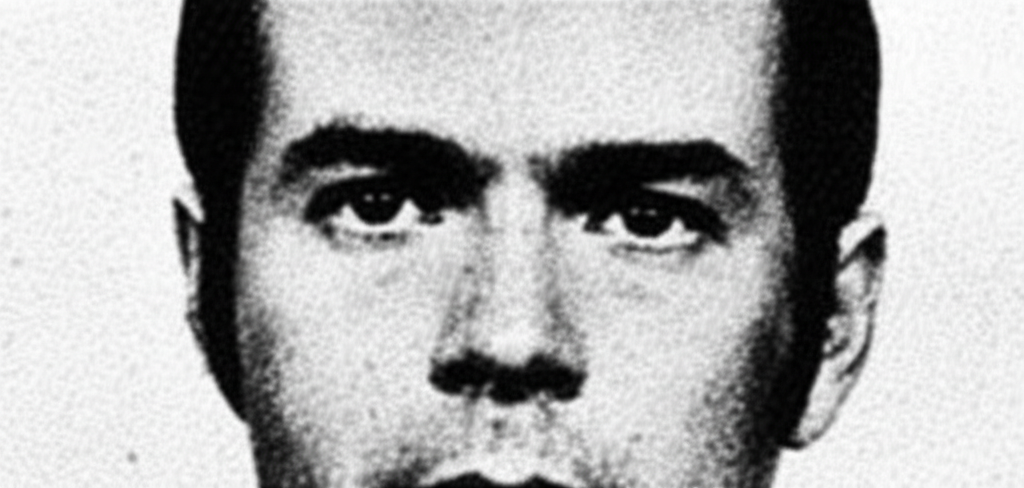
Michael Bruce Ross, known as "The Roadside Strangler," was an American serial killer responsible for the murders of at least eight young women between May 12, 1981, and June 13, 1984, primarily in Connecticut and New York. He was apprehended on June 29, 1984, and subsequently convicted of capital felony charges in Connecticut, receiving a death sentence on July 6, 1987. Ross was executed by lethal injection on May 13, 2005, at the Osborn Correctional Institution in Somers, Connecticut, marking the last execution in the state before the abolition of capital punishment in 2015. Significant evidence included his confessions and the recovery of remains linked to the victims, which established a pattern of his criminal behavior and led to his convictions.
Investigators and the public speculate that Michael Bruce Ross's violent behavior may have stemmed from a traumatic and dysfunctional childhood, including allegations of abuse and neglect. Some theorize that his early experiences of molestation and family instability contributed to his later criminal actions. Additionally, there is discussion about whether he may have committed more murders than the eight for which he was convicted, with some suggesting he could be linked to unsolved cases in Indiana.
The Haunting Life and Crimes of Michael Bruce Ross
On July 26, 1959, in the seemingly peaceful town of Putnam, Connecticut, Michael Bruce Ross entered the world. Little did anyone know this child would grow up to become one of America's most notorious serial killers, earning the chilling nickname, "The Roadside Strangler." His life of crime, spanning from 1981 to 1984, left a trail of at least eight victims across Connecticut and New York. Ross was executed in 2005, marking the end of an era as the last person to face the death penalty in Connecticut before its eventual abolition in 2015. This is the gripping tale of Michael Bruce Ross, the man who terrorized the Northeast and the complex life that led him there.
Early Life: A Troubled Beginning
Michael Bruce Ross was the eldest of four children born to Patricia Hilda Laine and Dan Graeme Ross. The family resided on a chicken farm in Brooklyn, Connecticut, but their home was far from idyllic. It was marred by dysfunction and violence. Ross's mother, who had a history of institutionalization, was known to abandon the family and physically abuse her children. There were whispers among family and friends that young Michael might have been sexually molested by his teenage uncle, who tragically took his own life when Ross was just six years old.
By the age of 12, Ross exhibited troubling behavior, molesting two young girls. His father's response was to beat him as punishment, following his mother's directive. Despite these dark moments, Ross was intelligent and excelled academically, graduating from Killingly High School in 1977 and later from Cornell University in 1981, where he studied economics.
Descent into Darkness: The Path of a Killer
During his college years, Ross's antisocial behavior escalated. He began stalking women in his sophomore year, culminating in his first rape and murder in his senior year. Between 1981 and 1984, Ross murdered eight girls and women aged 14 to 25 in Connecticut and New York. His killing spree was finally halted on June 29, 1984, when he was apprehended.
Ross confessed to all eight murders, yet he was convicted of only the last four. Among his victims were Dzung Ngoc Tu, a Vietnamese student at Cornell University, whose death was ruled a suicide despite Ross's later confession to her murder. Others included Tammy Williams, Paula Perrera, Debra Smith Taylor, Robin Dawn Stavinsky, April Brunais, Leslie Shelley, and Wendy Baribeault, all of whom were raped and strangled by Ross.
Imprisonment and Final Days
Once incarcerated, Ross's life took a spiritual turn. He became a devout Catholic, spending his days translating documents into Braille, mentoring fellow inmates, and sponsoring a child from the Dominican Republic. He even found love behind bars with Susan Powers, though their engagement ended in 2003.
Despite opposing the death penalty, Ross supported his own execution, believing it would bring peace to his victims' families. His lawyer fought for a stay of execution, citing Ross's potential mental incompetency due to "death row syndrome." Nevertheless, on May 13, 2005, Ross was executed by lethal injection at Osborn Correctional Institution in Somers, Connecticut. He declined a special last meal, opting instead for the standard prison fare of turkey à la king. His last words were a simple, "No, thank you," when asked if he wished to make a final statement.
Aftermath and Legacy
Ross's execution was a historical event—Connecticut's first since 1960 and the first by lethal injection. It would also be the last, following the state's abolition of the death penalty in 2012. In 2015, Connecticut's Supreme Court ruled capital punishment unconstitutional, commuting the sentences of all remaining death row inmates to life without parole.
This case left an indelible mark on those involved, including Vivian Dobson, an alleged victim who became a vocal opponent of the death penalty. Ross's life and crimes have since been the subject of documentaries and books, including Martha Elliott's "The Man in the Monster," which delves into her decade-long relationship with Ross.
Michael Bruce Ross's life was a harrowing journey from a troubled childhood to a feared serial killer, his story serving as a chilling reminder of the darkness that can lurk beneath a seemingly ordinary facade.
Sources
For more detailed information, visit the original Wikipedia article: Michael Bruce Ross
No Recent News
No recent news articles found for this case. Check back later for updates.
No Evidence Submitted
No evidence found for this case. Be the first to submit evidence in the comments below.
Join the discussion
Loading comments...
First Murder Committed
Michael Bruce Ross abducts and murders Dzung Ngoc Tu, a Cornell University student.
Tammy Williams Abducted
17-year-old Tammy Williams is abducted and later found raped and strangled.
Paula Perrera Abducted
16-year-old Paula Perrera is abducted while hitchhiking and later found dead.
Debra Smith Taylor Murdered
23-year-old Debra Smith Taylor is abducted, raped, and strangled.
Robin Dawn Stavinsky Murdered
19-year-old Robin Dawn Stavinsky is abducted, raped, and strangled.
April Brunais and Leslie Shelley Abducted
14-year-olds April Brunais and Leslie Shelley are kidnapped, sexually assaulted, and murdered.
Wendy Baribeault Murdered
17-year-old Wendy Baribeault is abducted, raped, and strangled.
Ross Arrested
Michael Bruce Ross is apprehended by police as a suspect in the murders.
Sentenced to Death
Michael Bruce Ross is sentenced to death for his crimes in Connecticut.
Execution by Lethal Injection
Michael Bruce Ross is executed by lethal injection, becoming the last person executed in Connecticut.
Michael Bruce Ross, known as "The Roadside Strangler," was an American serial killer responsible for the murders of at least eight young women between May 12, 1981, and June 13, 1984, primarily in Connecticut and New York. He was apprehended on June 29, 1984, and subsequently convicted of capital felony charges in Connecticut, receiving a death sentence on July 6, 1987. Ross was executed by lethal injection on May 13, 2005, at the Osborn Correctional Institution in Somers, Connecticut, marking the last execution in the state before the abolition of capital punishment in 2015. Significant evidence included his confessions and the recovery of remains linked to the victims, which established a pattern of his criminal behavior and led to his convictions.
Investigators and the public speculate that Michael Bruce Ross's violent behavior may have stemmed from a traumatic and dysfunctional childhood, including allegations of abuse and neglect. Some theorize that his early experiences of molestation and family instability contributed to his later criminal actions. Additionally, there is discussion about whether he may have committed more murders than the eight for which he was convicted, with some suggesting he could be linked to unsolved cases in Indiana.
The Haunting Life and Crimes of Michael Bruce Ross
On July 26, 1959, in the seemingly peaceful town of Putnam, Connecticut, Michael Bruce Ross entered the world. Little did anyone know this child would grow up to become one of America's most notorious serial killers, earning the chilling nickname, "The Roadside Strangler." His life of crime, spanning from 1981 to 1984, left a trail of at least eight victims across Connecticut and New York. Ross was executed in 2005, marking the end of an era as the last person to face the death penalty in Connecticut before its eventual abolition in 2015. This is the gripping tale of Michael Bruce Ross, the man who terrorized the Northeast and the complex life that led him there.
Early Life: A Troubled Beginning
Michael Bruce Ross was the eldest of four children born to Patricia Hilda Laine and Dan Graeme Ross. The family resided on a chicken farm in Brooklyn, Connecticut, but their home was far from idyllic. It was marred by dysfunction and violence. Ross's mother, who had a history of institutionalization, was known to abandon the family and physically abuse her children. There were whispers among family and friends that young Michael might have been sexually molested by his teenage uncle, who tragically took his own life when Ross was just six years old.
By the age of 12, Ross exhibited troubling behavior, molesting two young girls. His father's response was to beat him as punishment, following his mother's directive. Despite these dark moments, Ross was intelligent and excelled academically, graduating from Killingly High School in 1977 and later from Cornell University in 1981, where he studied economics.
Descent into Darkness: The Path of a Killer
During his college years, Ross's antisocial behavior escalated. He began stalking women in his sophomore year, culminating in his first rape and murder in his senior year. Between 1981 and 1984, Ross murdered eight girls and women aged 14 to 25 in Connecticut and New York. His killing spree was finally halted on June 29, 1984, when he was apprehended.
Ross confessed to all eight murders, yet he was convicted of only the last four. Among his victims were Dzung Ngoc Tu, a Vietnamese student at Cornell University, whose death was ruled a suicide despite Ross's later confession to her murder. Others included Tammy Williams, Paula Perrera, Debra Smith Taylor, Robin Dawn Stavinsky, April Brunais, Leslie Shelley, and Wendy Baribeault, all of whom were raped and strangled by Ross.
Imprisonment and Final Days
Once incarcerated, Ross's life took a spiritual turn. He became a devout Catholic, spending his days translating documents into Braille, mentoring fellow inmates, and sponsoring a child from the Dominican Republic. He even found love behind bars with Susan Powers, though their engagement ended in 2003.
Despite opposing the death penalty, Ross supported his own execution, believing it would bring peace to his victims' families. His lawyer fought for a stay of execution, citing Ross's potential mental incompetency due to "death row syndrome." Nevertheless, on May 13, 2005, Ross was executed by lethal injection at Osborn Correctional Institution in Somers, Connecticut. He declined a special last meal, opting instead for the standard prison fare of turkey à la king. His last words were a simple, "No, thank you," when asked if he wished to make a final statement.
Aftermath and Legacy
Ross's execution was a historical event—Connecticut's first since 1960 and the first by lethal injection. It would also be the last, following the state's abolition of the death penalty in 2012. In 2015, Connecticut's Supreme Court ruled capital punishment unconstitutional, commuting the sentences of all remaining death row inmates to life without parole.
This case left an indelible mark on those involved, including Vivian Dobson, an alleged victim who became a vocal opponent of the death penalty. Ross's life and crimes have since been the subject of documentaries and books, including Martha Elliott's "The Man in the Monster," which delves into her decade-long relationship with Ross.
Michael Bruce Ross's life was a harrowing journey from a troubled childhood to a feared serial killer, his story serving as a chilling reminder of the darkness that can lurk beneath a seemingly ordinary facade.
Sources
For more detailed information, visit the original Wikipedia article: Michael Bruce Ross
No Recent News
No recent news articles found for this case. Check back later for updates.
No Evidence Submitted
No evidence found for this case. Be the first to submit evidence in the comments below.
Join the discussion
Loading comments...
First Murder Committed
Michael Bruce Ross abducts and murders Dzung Ngoc Tu, a Cornell University student.
Tammy Williams Abducted
17-year-old Tammy Williams is abducted and later found raped and strangled.
Paula Perrera Abducted
16-year-old Paula Perrera is abducted while hitchhiking and later found dead.
Debra Smith Taylor Murdered
23-year-old Debra Smith Taylor is abducted, raped, and strangled.
Robin Dawn Stavinsky Murdered
19-year-old Robin Dawn Stavinsky is abducted, raped, and strangled.
April Brunais and Leslie Shelley Abducted
14-year-olds April Brunais and Leslie Shelley are kidnapped, sexually assaulted, and murdered.
Wendy Baribeault Murdered
17-year-old Wendy Baribeault is abducted, raped, and strangled.
Ross Arrested
Michael Bruce Ross is apprehended by police as a suspect in the murders.
Sentenced to Death
Michael Bruce Ross is sentenced to death for his crimes in Connecticut.
Execution by Lethal Injection
Michael Bruce Ross is executed by lethal injection, becoming the last person executed in Connecticut.