Michael Darnell Harris
Michigan Serial Killer Case
CLASSIFICATION: Serial Homicide
LOCATION
Michigan, United States
TIME PERIOD
1981-1982
VICTIMS
4 confirmed
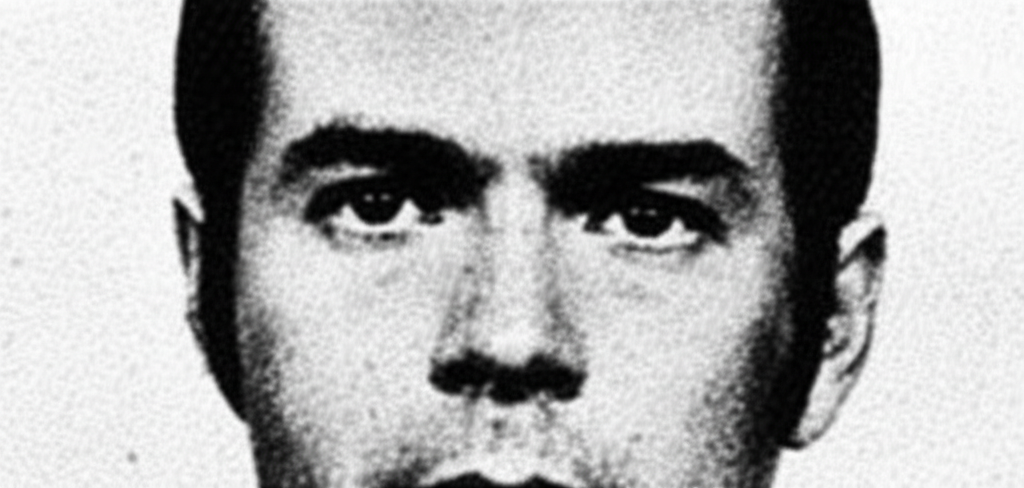
Michael Darnell Harris, born March 7, 1963, is a convicted serial killer and rapist, sentenced to life imprisonment for four murders and one rape committed in Michigan between 1981 and 1982. He was apprehended on December 7, 1982, at a homeless shelter in Jackson, Michigan, following an incident involving the assault of 68-year-old Lenora Nayrhardt. Harris was subsequently linked to the murders of 85-year-old Margorie Upson and 84-year-old Louise Koebnick, both of whom were raped and strangled in Ypsilanti in late September 1982. Although his convictions have been upheld, DNA testing in the mid-2010s raised questions about his guilt, leading to an investigation by the Michigan State Police into potential evidence tampering. Harris continues to maintain his innocence, and his case remains a subject of controversy and debate regarding wrongful conviction.
Michael Darnell Harris is believed by some to be innocent of the crimes for which he was convicted, particularly after DNA testing raised questions about his guilt. There is speculation that his first conviction may have influenced subsequent trials, leading to a perception of falsified evidence against him. Additionally, he is suspected of being involved in several other murders beyond the four for which he was convicted.
The Enigmatic Case of Michael Darnell Harris
Born on March 7, 1963, in Muskegon Heights, Michigan, Michael Darnell Harris emerged from the shadows of a tumultuous childhood to become one of Michigan's most controversial figures. Known also by the alias Michael Stiggles, Harris's life took a dark turn, culminating in convictions for four murders and a rape committed between 1981 and 1982. Despite these convictions, whispers of his innocence have persisted, fueled by mid-2010s DNA analyses that cast doubt upon his guilt. This narrative unravels the complex tapestry of Harris's life, crimes, and ongoing claims of innocence.
Early Years
Michael Harris, the eldest of five, grew up in Muskegon, Michigan. His childhood, though initially stable, took a challenging turn in 1973 when his mother took a high-paying job at a veterans hospital in Ann Arbor, relocating the family to live with a new stepfather. This change heralded a period of conflict and turmoil. Harris clashed frequently with his stepfather, who was physically abusive. The late 1970s saw Harris drop out of school, drifting through the streets and staying in friends' homes and shelters. By 1980, he had relocated to Lansing, where he fathered a daughter. His life was marked by financial struggle, low-skilled labor, and a nomadic existence.
Arrest, Investigation, and Trial
The turning point came on December 7, 1982, when Harris was apprehended at a Jackson homeless shelter. He was accused of breaking into the home of 68-year-old Lenora Nayrhardt, whom he allegedly beat and raped. Following this arrest, Harris became a suspect in a string of heinous crimes, including the murders of Margorie Upson and Louise Koebnick in Ypsilanti. Authorities in Lansing also implicated him in a series of rapes and strangulations there, involving victims Edna Ryckaert, Edith Crossette, Ula Curdy, and Denise Swanson.
The suspicion surrounding Harris intensified when he was linked to the murder of Florence Bell, a 91-year-old neighbor of Upson, found with her throat slit on January 8, 1982. Harris's previous residence in Lansing, where the killings ceased after his departure, and the subsequent uptick in Jackson, where he moved, fueled the allegations.
On December 14, 1982, Harris was identified as Nayrhardt's assailant during a visual identification procedure. Despite his plea of innocence and an alibi supported by a shelter attendant, Harris faced mounting charges when his fingerprints were discovered on a chair at the scene of Ula Curdy's murder. After a psychiatric evaluation deemed him sane, he was also charged with murdering Denise Swanson.
March 28, 1983, saw Harris stand trial for Nayrhardt's assault and rape. Prosecutors presented evidence of blood type and seminal fluid matches, and cat hairs on Harris's clothing matched those of Nayrhardt's pets. Nineteen witnesses, including Nayrhardt, identified Harris as the perpetrator. In a moment of desperation, Harris attempted suicide in his cell, but his improvised rope broke. This led to his transfer to a psychiatric hospital for depression treatment.
On May 19, Harris was found guilty of Nayrhardt's assault and rape, receiving a 60-to-90-year sentence. Emotionless during sentencing, Harris later faced trial for the murders of Swanson and Curdy. Convicted in both cases, he was sentenced to life without parole.
Imprisonment, New Revelations, and Current Status
Harris's incarceration at Muskegon Correctional Facility did not quench the controversy. The late 1990s saw DNA tests on evidence from Upson, Koebnick, and Bell's cases confirm Harris's genotypic profile, leading to additional charges and life sentences for Upson and Koebnick's murders. Bell's case was not prosecuted due to Harris's existing life terms.
Persistent in his claims of innocence, Harris alleged evidence fabrication by authorities, including the tampering of blood samples. His appeals, however, were consistently dismissed. In 2015, Harris sought DNA testing on Ula Curdy's belt, a critical piece of evidence in her murder. The 2016 results revealed a DNA match to another individual, igniting public outcry and fresh doubts about Harris's conviction.
The Michigan State Police launched an investigation into potential evidence tampering, and a court hearing was scheduled for September 23, 2016, to review the new evidence. Harris's attorneys argued for conviction reversal, citing the alleged mishandling of physical evidence and racial bias in the jury composition.
Despite these revelations, a second DNA test in early 2017 confirmed Harris's DNA at Curdy's crime scene. Judge Aquilina dismissed the evidentiary hearing, upholding the conviction. Harris, steadfast in his innocence claim, sought a hearing to question crime lab technicians, but this was denied.
Sources
For further reading, visit the original article on Wikipedia.
No Recent News
No recent news articles found for this case. Check back later for updates.
No Evidence Submitted
No evidence found for this case. Be the first to submit evidence in the comments below.
Join the discussion
Loading comments...
Arrest of Michael Darnell Harris
Harris is arrested at a homeless shelter for breaking and entering, later linked to multiple murders.
Charged with Curdy's Murder
Harris is charged with the murder of Ula Curdy after fingerprints are found at the crime scene.
Trial for Nayrhardt's Assault
Harris's trial begins for the assault and rape of Lenora Nayrhardt, with significant evidence presented.
Convicted of Nayrhardt's Assault
Harris is found guilty of assaulting and raping Nayrhardt, sentenced to 60-90 years imprisonment.
Convicted of Curdy's Murder
Harris is found guilty of Ula Curdy's murder and sentenced to life imprisonment without parole.
Convicted of Swanson's Murder
Harris is convicted of Denise Swanson's murder, receiving another life sentence without parole.
Charged in Additional Murders
Harris is charged with the murders of Margorie Upson and Louise Koebnick based on DNA evidence.
Hearing for New Evidence
A hearing is set to consider new DNA evidence that could potentially overturn Harris's conviction.
Evidentiary Hearing Dismissed
The court dismisses the evidentiary hearing, upholding Harris's convictions despite new DNA findings.
Michael Darnell Harris, born March 7, 1963, is a convicted serial killer and rapist, sentenced to life imprisonment for four murders and one rape committed in Michigan between 1981 and 1982. He was apprehended on December 7, 1982, at a homeless shelter in Jackson, Michigan, following an incident involving the assault of 68-year-old Lenora Nayrhardt. Harris was subsequently linked to the murders of 85-year-old Margorie Upson and 84-year-old Louise Koebnick, both of whom were raped and strangled in Ypsilanti in late September 1982. Although his convictions have been upheld, DNA testing in the mid-2010s raised questions about his guilt, leading to an investigation by the Michigan State Police into potential evidence tampering. Harris continues to maintain his innocence, and his case remains a subject of controversy and debate regarding wrongful conviction.
Michael Darnell Harris is believed by some to be innocent of the crimes for which he was convicted, particularly after DNA testing raised questions about his guilt. There is speculation that his first conviction may have influenced subsequent trials, leading to a perception of falsified evidence against him. Additionally, he is suspected of being involved in several other murders beyond the four for which he was convicted.
The Enigmatic Case of Michael Darnell Harris
Born on March 7, 1963, in Muskegon Heights, Michigan, Michael Darnell Harris emerged from the shadows of a tumultuous childhood to become one of Michigan's most controversial figures. Known also by the alias Michael Stiggles, Harris's life took a dark turn, culminating in convictions for four murders and a rape committed between 1981 and 1982. Despite these convictions, whispers of his innocence have persisted, fueled by mid-2010s DNA analyses that cast doubt upon his guilt. This narrative unravels the complex tapestry of Harris's life, crimes, and ongoing claims of innocence.
Early Years
Michael Harris, the eldest of five, grew up in Muskegon, Michigan. His childhood, though initially stable, took a challenging turn in 1973 when his mother took a high-paying job at a veterans hospital in Ann Arbor, relocating the family to live with a new stepfather. This change heralded a period of conflict and turmoil. Harris clashed frequently with his stepfather, who was physically abusive. The late 1970s saw Harris drop out of school, drifting through the streets and staying in friends' homes and shelters. By 1980, he had relocated to Lansing, where he fathered a daughter. His life was marked by financial struggle, low-skilled labor, and a nomadic existence.
Arrest, Investigation, and Trial
The turning point came on December 7, 1982, when Harris was apprehended at a Jackson homeless shelter. He was accused of breaking into the home of 68-year-old Lenora Nayrhardt, whom he allegedly beat and raped. Following this arrest, Harris became a suspect in a string of heinous crimes, including the murders of Margorie Upson and Louise Koebnick in Ypsilanti. Authorities in Lansing also implicated him in a series of rapes and strangulations there, involving victims Edna Ryckaert, Edith Crossette, Ula Curdy, and Denise Swanson.
The suspicion surrounding Harris intensified when he was linked to the murder of Florence Bell, a 91-year-old neighbor of Upson, found with her throat slit on January 8, 1982. Harris's previous residence in Lansing, where the killings ceased after his departure, and the subsequent uptick in Jackson, where he moved, fueled the allegations.
On December 14, 1982, Harris was identified as Nayrhardt's assailant during a visual identification procedure. Despite his plea of innocence and an alibi supported by a shelter attendant, Harris faced mounting charges when his fingerprints were discovered on a chair at the scene of Ula Curdy's murder. After a psychiatric evaluation deemed him sane, he was also charged with murdering Denise Swanson.
March 28, 1983, saw Harris stand trial for Nayrhardt's assault and rape. Prosecutors presented evidence of blood type and seminal fluid matches, and cat hairs on Harris's clothing matched those of Nayrhardt's pets. Nineteen witnesses, including Nayrhardt, identified Harris as the perpetrator. In a moment of desperation, Harris attempted suicide in his cell, but his improvised rope broke. This led to his transfer to a psychiatric hospital for depression treatment.
On May 19, Harris was found guilty of Nayrhardt's assault and rape, receiving a 60-to-90-year sentence. Emotionless during sentencing, Harris later faced trial for the murders of Swanson and Curdy. Convicted in both cases, he was sentenced to life without parole.
Imprisonment, New Revelations, and Current Status
Harris's incarceration at Muskegon Correctional Facility did not quench the controversy. The late 1990s saw DNA tests on evidence from Upson, Koebnick, and Bell's cases confirm Harris's genotypic profile, leading to additional charges and life sentences for Upson and Koebnick's murders. Bell's case was not prosecuted due to Harris's existing life terms.
Persistent in his claims of innocence, Harris alleged evidence fabrication by authorities, including the tampering of blood samples. His appeals, however, were consistently dismissed. In 2015, Harris sought DNA testing on Ula Curdy's belt, a critical piece of evidence in her murder. The 2016 results revealed a DNA match to another individual, igniting public outcry and fresh doubts about Harris's conviction.
The Michigan State Police launched an investigation into potential evidence tampering, and a court hearing was scheduled for September 23, 2016, to review the new evidence. Harris's attorneys argued for conviction reversal, citing the alleged mishandling of physical evidence and racial bias in the jury composition.
Despite these revelations, a second DNA test in early 2017 confirmed Harris's DNA at Curdy's crime scene. Judge Aquilina dismissed the evidentiary hearing, upholding the conviction. Harris, steadfast in his innocence claim, sought a hearing to question crime lab technicians, but this was denied.
Sources
For further reading, visit the original article on Wikipedia.
No Recent News
No recent news articles found for this case. Check back later for updates.
No Evidence Submitted
No evidence found for this case. Be the first to submit evidence in the comments below.
Join the discussion
Loading comments...
Arrest of Michael Darnell Harris
Harris is arrested at a homeless shelter for breaking and entering, later linked to multiple murders.
Charged with Curdy's Murder
Harris is charged with the murder of Ula Curdy after fingerprints are found at the crime scene.
Trial for Nayrhardt's Assault
Harris's trial begins for the assault and rape of Lenora Nayrhardt, with significant evidence presented.
Convicted of Nayrhardt's Assault
Harris is found guilty of assaulting and raping Nayrhardt, sentenced to 60-90 years imprisonment.
Convicted of Curdy's Murder
Harris is found guilty of Ula Curdy's murder and sentenced to life imprisonment without parole.
Convicted of Swanson's Murder
Harris is convicted of Denise Swanson's murder, receiving another life sentence without parole.
Charged in Additional Murders
Harris is charged with the murders of Margorie Upson and Louise Koebnick based on DNA evidence.
Hearing for New Evidence
A hearing is set to consider new DNA evidence that could potentially overturn Harris's conviction.
Evidentiary Hearing Dismissed
The court dismisses the evidentiary hearing, upholding Harris's convictions despite new DNA findings.