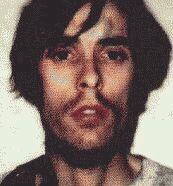
Richard Chase
Sacramento Serial Killer and Cannibal
CLASSIFICATION: Serial Homicide
LOCATION
Sacramento, California
TIME PERIOD
December 1977 - January 1978
VICTIMS
6 confirmed
Richard Trenton Chase, known as the "Vampire of Sacramento," committed a series of gruesome murders in Sacramento, California, between December 29, 1977, and January 27, 1978, resulting in the deaths of six individuals. Chase, who exhibited severe mental health issues, was apprehended on January 27, 1978, following a violent spree where he not only killed his victims but also engaged in acts of cannibalism and necrophilia, drinking their blood and mutilating their bodies. He was convicted of six counts of first-degree murder with special circumstances and sentenced to death, although he died by suicide in prison on December 26, 1980. Key evidence included the brutal nature of the crimes, forensic analysis of the crime scenes, and witness testimonies linking Chase to the murders, establishing him as a significant figure in American criminal history.
Richard Chase is believed to have been influenced by his severe mental health issues, particularly schizophrenia, which may have contributed to his violent behavior and cannibalistic tendencies. Some speculate that his childhood experiences, including family dysfunction and possible abuse, played a significant role in shaping his disturbed psyche. Additionally, there are theories that Chase's acts of murder and cannibalism were not only driven by his delusions but also by a desire for sexual gratification linked to blood and death.
The Vampire of Sacramento: The Terrifying Tale of Richard Chase
A Killer's Origins
Richard Trenton Chase was born into a seemingly ordinary world on May 23, 1950, in Santa Clara County, California. Yet, beneath the surface of his early life in Sacramento simmered a dark chaos that would eventually earn him the chilling moniker, "The Vampire of Sacramento." His parents, Richard Sr. and Beatrice, often found themselves embroiled in heated arguments, casting a shadow over Chase's formative years. This turbulent family dynamic was punctuated by odd episodes, such as Beatrice's accusations of infidelity against her husband during a camping trip in Oregon and bizarre claims of being drugged in her sleep.
At the tender age of five, Chase began to show signs of what the Macdonald triad theory identifies as precursors to violent psychopathy: cruelty to animals, fascination with fire-setting, and persistent bedwetting. Although these behaviors remained hidden from public view, they hinted at the darkness that would later surface. Despite these ominous signs, young Richard appeared to enjoy a normal childhood, even hosting a birthday party attended by over 60 children.
As Chase entered adolescence, his life took a darker turn. His experimentation with drugs like marijuana and LSD intensified, and he grappled with impotence, a condition that thwarted his attempts at sexual relationships. His inability to perform eventually led to the dissolution of his high school romance with a young woman who later used the pseudonym "Libby Christopher" in interviews.
Descent into Madness
Chase's peculiar behavior escalated during his teenage years. He became fixated on the outlaw James-Younger Gang, pasting his own face onto their images and even attempting to sell these altered photographs. He implored his mother for a cowboy hat, a request she denied. His eccentricities extended to his home life, where he would sometimes sleep naked in the family lounge, turning the heater to its maximum and flinging open the windows.
Despite his oddities, Chase managed to maintain a popular and clean-cut image throughout high school. However, adulthood brought about a transformation. His appearance became increasingly disheveled, and he withdrew from social circles, his mental health gradually unraveling. By 1965, he was dating "Libby Christopher," but the relationship faltered due to his impotence, leading to a breakup in 1966.
Chase enrolled at American River College between 1968 and 1971, but his academic performance deteriorated, and he eventually dropped out. During this time, he developed hypochondria, convinced that his heart intermittently stopped beating and that someone had stolen his pulmonary artery. In a bizarre attempt to absorb Vitamin C, he even held oranges against his head, believing it would diffuse into his brain.
Early Adulthood and Isolation
In 1969, Chase found temporary employment with the Retailers Credit Association, but his erratic behavior and heavy drug use led to a string of short-lived jobs. By 1971, he had moved in with roommates Cyd Evans DeMarchi and Rachel Statum, to whom he presented himself as a charming yet troubled soul. However, his drug-induced antics and penchant for nudity alienated them, prompting them to move out.
Chase's instability reached new heights when his parents divorced in 1972. He vacillated between living with his mother and father, but his presence was an increasing burden. His paranoia led him to believe his mother was poisoning him, echoing her earlier accusations against her husband. In one altercation, he struck his mother with a phone, prompting her to call the police. Although she declined to press charges, the incident marked a turning point in their relationship.
His grandmother in Los Angeles offered temporary refuge, but even she noted his disturbing behavior. Chase's second stint with her ended when he returned to Sacramento in 1973, now obsessed with medical books and convinced his body was disintegrating. He frequently called ambulances to his home, claiming life-threatening conditions, yet medical professionals found no physical cause for his ailments. Psychiatrist Dr. Donald Ansel diagnosed Chase with a severe psychiatric disturbance, but without a concrete treatment plan, he continued to spiral.
Institutionalization and Release
Chase's condition deteriorated further, leading to his first psychiatric hospitalization in December 1973. At American River Hospital, he presented a litany of imagined ailments, prompting staff to diagnose him with acute paranoid schizophrenia. Despite the severity of his condition, he was discharged after two days when his mother intervened, dismissing the hospital's concerns.
For a brief period, Chase's mental health appeared to improve with medication, but his mother's decision to wean him off it led to a swift decline. In 1976, Chase's father discovered him in a near-comatose state after he injected himself with rabbit blood. This incident resulted in another hospitalization, where he was dubbed "Dracula" by staff for his blood-drinking habits. Despite the institution's objections, a doctor released him to his mother's custody, a decision later criticized by staff members who feared for public safety.
The Murders
Freed from institutional care, Chase's behavior became increasingly erratic. He transitioned from consuming small animals to larger prey, ultimately culminating in a series of brutal murders that terrified Sacramento. Between December 1977 and January 1978, Chase claimed the lives of six individuals. His gruesome methods—drinking their blood and cannibalizing their remains—earned him the grim nickname "The Vampire of Sacramento."
Chase was finally apprehended on January 27, 1978, the same day as his last murder. His trial resulted in a conviction for six counts of first-degree murder with special circumstances, and he was sentenced to death. On December 26, 1980, at the age of 30, Richard Chase was found dead in his cell at San Quentin State Prison, ending the reign of terror of the man who believed he needed to consume blood to survive.
Sources
This narrative was constructed using the detailed account available on Wikipedia.
No Recent News
No recent news articles found for this case. Check back later for updates.
No Evidence Submitted
No evidence found for this case. Be the first to submit evidence in the comments below.
Join the discussion
Loading comments...
First Murder
Richard Chase kills Ambrose Griffin in a drive-by shooting.
Wallin Murder
Chase murders Teresa Wallin, mutilating her body and engaging in necrophilia.
Miroth Family Murder
Chase kills Evelyn Miroth and her two children, committing further acts of mutilation.
Arrest of Richard Chase
Chase is arrested after police connect him to the Miroth murder and find evidence in his apartment.
Trial Verdict
Chase is found guilty of six counts of first-degree murder and sentenced to death.
Death in Prison
Richard Chase is found dead in his cell from an overdose of prescribed medication.
Richard Trenton Chase, known as the "Vampire of Sacramento," committed a series of gruesome murders in Sacramento, California, between December 29, 1977, and January 27, 1978, resulting in the deaths of six individuals. Chase, who exhibited severe mental health issues, was apprehended on January 27, 1978, following a violent spree where he not only killed his victims but also engaged in acts of cannibalism and necrophilia, drinking their blood and mutilating their bodies. He was convicted of six counts of first-degree murder with special circumstances and sentenced to death, although he died by suicide in prison on December 26, 1980. Key evidence included the brutal nature of the crimes, forensic analysis of the crime scenes, and witness testimonies linking Chase to the murders, establishing him as a significant figure in American criminal history.
Richard Chase is believed to have been influenced by his severe mental health issues, particularly schizophrenia, which may have contributed to his violent behavior and cannibalistic tendencies. Some speculate that his childhood experiences, including family dysfunction and possible abuse, played a significant role in shaping his disturbed psyche. Additionally, there are theories that Chase's acts of murder and cannibalism were not only driven by his delusions but also by a desire for sexual gratification linked to blood and death.
The Vampire of Sacramento: The Terrifying Tale of Richard Chase
A Killer's Origins
Richard Trenton Chase was born into a seemingly ordinary world on May 23, 1950, in Santa Clara County, California. Yet, beneath the surface of his early life in Sacramento simmered a dark chaos that would eventually earn him the chilling moniker, "The Vampire of Sacramento." His parents, Richard Sr. and Beatrice, often found themselves embroiled in heated arguments, casting a shadow over Chase's formative years. This turbulent family dynamic was punctuated by odd episodes, such as Beatrice's accusations of infidelity against her husband during a camping trip in Oregon and bizarre claims of being drugged in her sleep.
At the tender age of five, Chase began to show signs of what the Macdonald triad theory identifies as precursors to violent psychopathy: cruelty to animals, fascination with fire-setting, and persistent bedwetting. Although these behaviors remained hidden from public view, they hinted at the darkness that would later surface. Despite these ominous signs, young Richard appeared to enjoy a normal childhood, even hosting a birthday party attended by over 60 children.
As Chase entered adolescence, his life took a darker turn. His experimentation with drugs like marijuana and LSD intensified, and he grappled with impotence, a condition that thwarted his attempts at sexual relationships. His inability to perform eventually led to the dissolution of his high school romance with a young woman who later used the pseudonym "Libby Christopher" in interviews.
Descent into Madness
Chase's peculiar behavior escalated during his teenage years. He became fixated on the outlaw James-Younger Gang, pasting his own face onto their images and even attempting to sell these altered photographs. He implored his mother for a cowboy hat, a request she denied. His eccentricities extended to his home life, where he would sometimes sleep naked in the family lounge, turning the heater to its maximum and flinging open the windows.
Despite his oddities, Chase managed to maintain a popular and clean-cut image throughout high school. However, adulthood brought about a transformation. His appearance became increasingly disheveled, and he withdrew from social circles, his mental health gradually unraveling. By 1965, he was dating "Libby Christopher," but the relationship faltered due to his impotence, leading to a breakup in 1966.
Chase enrolled at American River College between 1968 and 1971, but his academic performance deteriorated, and he eventually dropped out. During this time, he developed hypochondria, convinced that his heart intermittently stopped beating and that someone had stolen his pulmonary artery. In a bizarre attempt to absorb Vitamin C, he even held oranges against his head, believing it would diffuse into his brain.
Early Adulthood and Isolation
In 1969, Chase found temporary employment with the Retailers Credit Association, but his erratic behavior and heavy drug use led to a string of short-lived jobs. By 1971, he had moved in with roommates Cyd Evans DeMarchi and Rachel Statum, to whom he presented himself as a charming yet troubled soul. However, his drug-induced antics and penchant for nudity alienated them, prompting them to move out.
Chase's instability reached new heights when his parents divorced in 1972. He vacillated between living with his mother and father, but his presence was an increasing burden. His paranoia led him to believe his mother was poisoning him, echoing her earlier accusations against her husband. In one altercation, he struck his mother with a phone, prompting her to call the police. Although she declined to press charges, the incident marked a turning point in their relationship.
His grandmother in Los Angeles offered temporary refuge, but even she noted his disturbing behavior. Chase's second stint with her ended when he returned to Sacramento in 1973, now obsessed with medical books and convinced his body was disintegrating. He frequently called ambulances to his home, claiming life-threatening conditions, yet medical professionals found no physical cause for his ailments. Psychiatrist Dr. Donald Ansel diagnosed Chase with a severe psychiatric disturbance, but without a concrete treatment plan, he continued to spiral.
Institutionalization and Release
Chase's condition deteriorated further, leading to his first psychiatric hospitalization in December 1973. At American River Hospital, he presented a litany of imagined ailments, prompting staff to diagnose him with acute paranoid schizophrenia. Despite the severity of his condition, he was discharged after two days when his mother intervened, dismissing the hospital's concerns.
For a brief period, Chase's mental health appeared to improve with medication, but his mother's decision to wean him off it led to a swift decline. In 1976, Chase's father discovered him in a near-comatose state after he injected himself with rabbit blood. This incident resulted in another hospitalization, where he was dubbed "Dracula" by staff for his blood-drinking habits. Despite the institution's objections, a doctor released him to his mother's custody, a decision later criticized by staff members who feared for public safety.
The Murders
Freed from institutional care, Chase's behavior became increasingly erratic. He transitioned from consuming small animals to larger prey, ultimately culminating in a series of brutal murders that terrified Sacramento. Between December 1977 and January 1978, Chase claimed the lives of six individuals. His gruesome methods—drinking their blood and cannibalizing their remains—earned him the grim nickname "The Vampire of Sacramento."
Chase was finally apprehended on January 27, 1978, the same day as his last murder. His trial resulted in a conviction for six counts of first-degree murder with special circumstances, and he was sentenced to death. On December 26, 1980, at the age of 30, Richard Chase was found dead in his cell at San Quentin State Prison, ending the reign of terror of the man who believed he needed to consume blood to survive.
Sources
This narrative was constructed using the detailed account available on Wikipedia.
No Recent News
No recent news articles found for this case. Check back later for updates.
No Evidence Submitted
No evidence found for this case. Be the first to submit evidence in the comments below.
Join the discussion
Loading comments...
First Murder
Richard Chase kills Ambrose Griffin in a drive-by shooting.
Wallin Murder
Chase murders Teresa Wallin, mutilating her body and engaging in necrophilia.
Miroth Family Murder
Chase kills Evelyn Miroth and her two children, committing further acts of mutilation.
Arrest of Richard Chase
Chase is arrested after police connect him to the Miroth murder and find evidence in his apartment.
Trial Verdict
Chase is found guilty of six counts of first-degree murder and sentenced to death.
Death in Prison
Richard Chase is found dead in his cell from an overdose of prescribed medication.