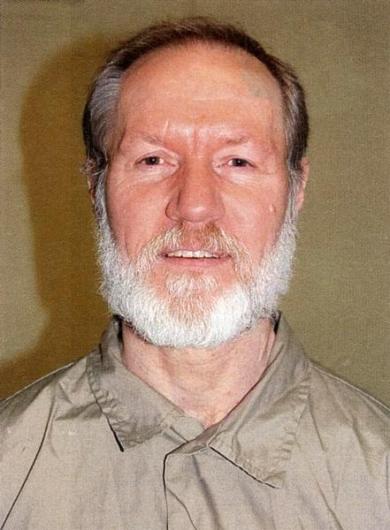
Thomas Silverstein
Prison Murder Case
CLASSIFICATION: Murder
LOCATION
Marion, Illinois
TIME PERIOD
1981-1983
VICTIMS
4 confirmed
Thomas Edward Silverstein, born February 4, 1952, in Long Beach, California, was an American criminal who was convicted of four murders and suspected of a fifth while incarcerated. His criminal activities spanned from 1981 to 1983, primarily occurring at the United States Penitentiary in Marion, Illinois, where he was serving time for armed robbery. Silverstein was notably responsible for the murder of corrections officer Merle Clutts, which led to his placement in solitary confinement for 36 years, making him the longest-held prisoner in such conditions within the Bureau of Prisons until his death on May 11, 2019, in Lakewood, Colorado. His involvement with the Aryan Brotherhood prison gang and his claims regarding the dehumanizing conditions of prison life have been significant aspects of his case, which remains a focal point in discussions about prison reform and solitary confinement practices.
Investigators and the public theorize that the brutal conditions of solitary confinement significantly contributed to Silverstein's violent behavior, with some arguing that his time in isolation exacerbated his mental health issues. Additionally, there is speculation that his involvement with the Aryan Brotherhood may have influenced his criminal actions and mindset, leading to a cycle of violence within the prison system. Some believe that the refusal of corrections officers to engage with him was a reflection of the deep respect for the officer he killed, indicating a complex relationship between inmates and staff in high-stakes environments like Marion Penitentiary.
The Life and Crimes of Thomas Silverstein: America's Most Isolated Prisoner
Early Life and Path to Crime
Thomas Edward Silverstein's life began on February 4, 1952, in Long Beach, California. Born Thomas Edward Conway, his mother Virginia Conway was pregnant with him when she ended her first marriage. Shortly after, she wed Thomas Conway, whom Silverstein believed was his biological father. However, at the age of four, Virginia divorced Conway and married Sid Silverstein, who adopted young Thomas.
Growing up in a middle-class neighborhood, Silverstein was shy and often victimized by bullies, largely due to misconceptions about his heritage. His mother, Virginia, instilled in him a fierce resolve to fight back, warning him of further punishment at home if he returned defeated. This early exposure to violence set the stage for Silverstein's troubled future. By fourteen, he found himself in a California Youth Authority reformatory, a place where the harsh realities of violence were reinforced.
At nineteen, Silverstein's criminal career escalated when he was sent to San Quentin Prison for armed robbery. After a brief parole, he was arrested again with his father and cousin for a series of armed robberies totaling less than $11,000—equivalent to $85,000 today. In 1977, he was sentenced to fifteen years at the United States Penitentiary in Leavenworth, Kansas.
Murders Behind Bars
While serving time at Leavenworth, Silverstein became entwined with the Aryan Brotherhood, a notorious prison gang. In 1980, he was convicted for the murder of inmate Danny Atwell, who allegedly refused to transport heroin. This conviction led to a life sentence and Silverstein's transfer to the high-security United States Penitentiary in Marion, Illinois (USP Marion). However, in 1985, his conviction was overturned due to perjured testimonies by jailhouse informants.
At Marion, Silverstein was placed in the "Control Unit," a form of solitary confinement reserved for highly disruptive inmates. Here, he was under continuous surveillance with minimal human contact. During this period, in 1981, he was accused of murdering Robert Chappelle, a member of the D.C. Blacks gang. Silverstein, alongside Clayton Fountain, was convicted and received another life sentence, although he insisted on his innocence.
The prison environment was tense, particularly after the arrival of Raymond Lee "Cadillac" Smith, the national leader of the D.C. Blacks. Smith, believing Silverstein was responsible for Chappelle's death, attempted to kill him. Silverstein and Fountain retaliated, brutally murdering Smith and dragging his body in front of their fellow inmates. This act of violence resulted in another life sentence for Silverstein.
The Murder of Officer Clutts
On October 22, 1983, Silverstein's violence reached a new peak when he killed correction officer Merle Clutts. During a routine shower, Silverstein, under the pretense of a ruse, managed to arm himself with a weapon passed by fellow inmate Randy Gometz. He then attacked Clutts, citing ongoing harassment as his motive. Hours later, Fountain applied a similar tactic to murder officer Robert Hoffmann. These killings spurred U.S. Attorney General William French Smith to call for the reinstatement of the federal death penalty, noting the inmates' apparent impunity.
Following these events, USP Marion went into an indefinite lockdown, and Silverstein was moved to the United States Penitentiary in Atlanta, Georgia, under a "no human contact" status. His actions inspired the creation of the federal supermax prison, USP Florence ADMAX, designed to contain the most dangerous prisoners.
Imprisonment and Allegations of Torture
During the 1987 Atlanta Prison Riots, Silverstein was temporarily released by Cuban detainees but was returned to the authorities unharmed. He spent the subsequent 18 years at Leavenworth until it was downgraded, prompting his transfer to ADX Florence in 2005. Despite his extreme isolation, Silverstein claimed that such conditions were a form of torture, a sentiment echoed by others who viewed his punishments as excessively harsh.
A federal court in 2014 upheld his solitary confinement, citing his violent history and leadership within the Aryan Brotherhood as justification. Despite this, the debate over the ethics of his treatment continued, with some arguing that it amounted to cruel and unusual punishment.
Death and Legacy
Thomas Silverstein passed away on May 11, 2019, at the age of 67, after complications from heart surgery in Lakewood, Colorado. He had spent an unprecedented 36 years in solitary confinement. In the wake of his death, Norman Carlson, the former federal prison director, acknowledged the cruelty of Silverstein's imprisonment but maintained that there were no alternatives at the time to prevent further violence.
Silverstein's life remains a stark illustration of the brutal realities within the prison system and the complexities of administering justice to those who seem beyond redemption.
Sources
No Recent News
No recent news articles found for this case. Check back later for updates.
No Evidence Submitted
No evidence found for this case. Be the first to submit evidence in the comments below.
Join the discussion
Loading comments...
First Armed Robbery Conviction
Thomas Silverstein is sentenced to prison for armed robbery at San Quentin.
Murder of Danny Atwell
Silverstein is convicted of murdering inmate Danny Atwell at Leavenworth.
Murder of Robert Chappelle
Silverstein is convicted for the murder of Robert Chappelle, receiving an additional life sentence.
Murder of Officer Clutts
Silverstein kills correction officer Merle Clutts at USP Marion, leading to a lockdown.
Atlanta Prison Riot
During the Atlanta Prison Riots, Silverstein is released from isolation and later transferred.
Transfer to ADX Florence
Silverstein is moved to the supermax facility ADX Florence after Leavenworth is downgraded.
Court Rejects Claims
A federal court rejects Silverstein's claims of cruel and unusual punishment due to his confinement.
Death of Thomas Silverstein
Silverstein dies at age 67 after complications from heart surgery, ending his 36 years in solitary.
Thomas Edward Silverstein, born February 4, 1952, in Long Beach, California, was an American criminal who was convicted of four murders and suspected of a fifth while incarcerated. His criminal activities spanned from 1981 to 1983, primarily occurring at the United States Penitentiary in Marion, Illinois, where he was serving time for armed robbery. Silverstein was notably responsible for the murder of corrections officer Merle Clutts, which led to his placement in solitary confinement for 36 years, making him the longest-held prisoner in such conditions within the Bureau of Prisons until his death on May 11, 2019, in Lakewood, Colorado. His involvement with the Aryan Brotherhood prison gang and his claims regarding the dehumanizing conditions of prison life have been significant aspects of his case, which remains a focal point in discussions about prison reform and solitary confinement practices.
Investigators and the public theorize that the brutal conditions of solitary confinement significantly contributed to Silverstein's violent behavior, with some arguing that his time in isolation exacerbated his mental health issues. Additionally, there is speculation that his involvement with the Aryan Brotherhood may have influenced his criminal actions and mindset, leading to a cycle of violence within the prison system. Some believe that the refusal of corrections officers to engage with him was a reflection of the deep respect for the officer he killed, indicating a complex relationship between inmates and staff in high-stakes environments like Marion Penitentiary.
The Life and Crimes of Thomas Silverstein: America's Most Isolated Prisoner
Early Life and Path to Crime
Thomas Edward Silverstein's life began on February 4, 1952, in Long Beach, California. Born Thomas Edward Conway, his mother Virginia Conway was pregnant with him when she ended her first marriage. Shortly after, she wed Thomas Conway, whom Silverstein believed was his biological father. However, at the age of four, Virginia divorced Conway and married Sid Silverstein, who adopted young Thomas.
Growing up in a middle-class neighborhood, Silverstein was shy and often victimized by bullies, largely due to misconceptions about his heritage. His mother, Virginia, instilled in him a fierce resolve to fight back, warning him of further punishment at home if he returned defeated. This early exposure to violence set the stage for Silverstein's troubled future. By fourteen, he found himself in a California Youth Authority reformatory, a place where the harsh realities of violence were reinforced.
At nineteen, Silverstein's criminal career escalated when he was sent to San Quentin Prison for armed robbery. After a brief parole, he was arrested again with his father and cousin for a series of armed robberies totaling less than $11,000—equivalent to $85,000 today. In 1977, he was sentenced to fifteen years at the United States Penitentiary in Leavenworth, Kansas.
Murders Behind Bars
While serving time at Leavenworth, Silverstein became entwined with the Aryan Brotherhood, a notorious prison gang. In 1980, he was convicted for the murder of inmate Danny Atwell, who allegedly refused to transport heroin. This conviction led to a life sentence and Silverstein's transfer to the high-security United States Penitentiary in Marion, Illinois (USP Marion). However, in 1985, his conviction was overturned due to perjured testimonies by jailhouse informants.
At Marion, Silverstein was placed in the "Control Unit," a form of solitary confinement reserved for highly disruptive inmates. Here, he was under continuous surveillance with minimal human contact. During this period, in 1981, he was accused of murdering Robert Chappelle, a member of the D.C. Blacks gang. Silverstein, alongside Clayton Fountain, was convicted and received another life sentence, although he insisted on his innocence.
The prison environment was tense, particularly after the arrival of Raymond Lee "Cadillac" Smith, the national leader of the D.C. Blacks. Smith, believing Silverstein was responsible for Chappelle's death, attempted to kill him. Silverstein and Fountain retaliated, brutally murdering Smith and dragging his body in front of their fellow inmates. This act of violence resulted in another life sentence for Silverstein.
The Murder of Officer Clutts
On October 22, 1983, Silverstein's violence reached a new peak when he killed correction officer Merle Clutts. During a routine shower, Silverstein, under the pretense of a ruse, managed to arm himself with a weapon passed by fellow inmate Randy Gometz. He then attacked Clutts, citing ongoing harassment as his motive. Hours later, Fountain applied a similar tactic to murder officer Robert Hoffmann. These killings spurred U.S. Attorney General William French Smith to call for the reinstatement of the federal death penalty, noting the inmates' apparent impunity.
Following these events, USP Marion went into an indefinite lockdown, and Silverstein was moved to the United States Penitentiary in Atlanta, Georgia, under a "no human contact" status. His actions inspired the creation of the federal supermax prison, USP Florence ADMAX, designed to contain the most dangerous prisoners.
Imprisonment and Allegations of Torture
During the 1987 Atlanta Prison Riots, Silverstein was temporarily released by Cuban detainees but was returned to the authorities unharmed. He spent the subsequent 18 years at Leavenworth until it was downgraded, prompting his transfer to ADX Florence in 2005. Despite his extreme isolation, Silverstein claimed that such conditions were a form of torture, a sentiment echoed by others who viewed his punishments as excessively harsh.
A federal court in 2014 upheld his solitary confinement, citing his violent history and leadership within the Aryan Brotherhood as justification. Despite this, the debate over the ethics of his treatment continued, with some arguing that it amounted to cruel and unusual punishment.
Death and Legacy
Thomas Silverstein passed away on May 11, 2019, at the age of 67, after complications from heart surgery in Lakewood, Colorado. He had spent an unprecedented 36 years in solitary confinement. In the wake of his death, Norman Carlson, the former federal prison director, acknowledged the cruelty of Silverstein's imprisonment but maintained that there were no alternatives at the time to prevent further violence.
Silverstein's life remains a stark illustration of the brutal realities within the prison system and the complexities of administering justice to those who seem beyond redemption.
Sources
No Recent News
No recent news articles found for this case. Check back later for updates.
No Evidence Submitted
No evidence found for this case. Be the first to submit evidence in the comments below.
Join the discussion
Loading comments...
First Armed Robbery Conviction
Thomas Silverstein is sentenced to prison for armed robbery at San Quentin.
Murder of Danny Atwell
Silverstein is convicted of murdering inmate Danny Atwell at Leavenworth.
Murder of Robert Chappelle
Silverstein is convicted for the murder of Robert Chappelle, receiving an additional life sentence.
Murder of Officer Clutts
Silverstein kills correction officer Merle Clutts at USP Marion, leading to a lockdown.
Atlanta Prison Riot
During the Atlanta Prison Riots, Silverstein is released from isolation and later transferred.
Transfer to ADX Florence
Silverstein is moved to the supermax facility ADX Florence after Leavenworth is downgraded.
Court Rejects Claims
A federal court rejects Silverstein's claims of cruel and unusual punishment due to his confinement.
Death of Thomas Silverstein
Silverstein dies at age 67 after complications from heart surgery, ending his 36 years in solitary.