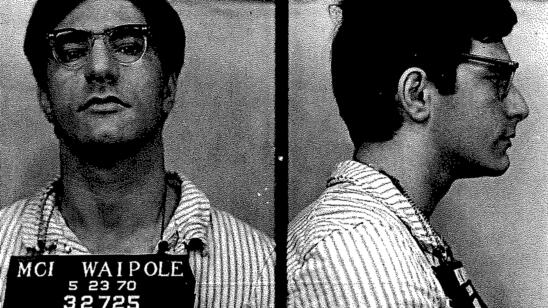
Tony Costa
Cape Cod Serial Killer
CLASSIFICATION: Serial Homicide
LOCATION
Truro, Massachusetts
TIME PERIOD
1968-1969
VICTIMS
4 confirmed
On March 6, 1969, Tony Costa, an American serial killer, was apprehended in Truro, Massachusetts, following the discovery of dismembered remains of four women in a forest clearing associated with his marijuana cultivation. The victims, Patricia Walsh, Mary Anne Wysocki, Susan Perry, and Sydney Monzon, were reported missing between September 1968 and February 1969, with their bodies exhibiting signs of mutilation and necrophilia. Costa, who had a history of violent offenses and was known to the victims, became the primary suspect due to his fingerprints found on evidence at the crime scene. He was convicted of two murders and sentenced to life imprisonment, with his case drawing significant media attention due to sensational claims made by the district attorney regarding the nature of the crimes.
Tony Costa is believed to have had a possible connection to a larger network of missing women in the Cape Cod area, with some speculating that he may not have acted alone in his crimes. There are also theories that his drug use may have contributed to his violent behavior, leading to a disorganized pattern of killings. The media's portrayal of Costa as a "vampire" or "cannibal" has fueled speculation about the extent of his depravity and the motivations behind his actions.
The Chilling Tale of Tony Costa: The Cape Cod Cannibal
Early Life and Initial Crimes
Antone Charles "Tony" Costa was born on a seemingly ordinary day, August 2, 1944, in Cambridge, Massachusetts. Yet, his life would soon veer into an extraordinary and dark path. At just 17 years old, in November 1961, Costa committed his first known violent offense. He broke into a house and attacked a teenage girl, an act that landed him a charge of burglary and assault. The court handed him a sentence of three years' probation and a one-year suspended sentence—a slap on the wrist that did little to curb his burgeoning criminal tendencies.
Costa's life seemed to take a conventional turn when he married in 1963 and became a father of three. However, the facade of normalcy crumbled as his drug use grew more rampant, leading to the dissolution of his marriage. In 1966, he left Massachusetts for California, a journey that foreshadowed more sinister events.
The Killings and Media Frenzy
By the summer of 1968, Costa had returned to Massachusetts. No sooner had he settled back than he began to attract law enforcement's attention with the theft of thousands of dollars worth of medical equipment. It was a prelude to graver crimes. On February 8, 1969, a search party was organized for Patricia Walsh and Mary Anne Wysocki, two women who had mysteriously vanished. Their last known location was ominously close to a woods where Walsh's Volkswagen van had been abandoned.
As police scoured the area, they stumbled upon a gruesome discovery—the dismembered remains of Susan Perry, a woman who had been missing since the previous Labor Day in September 1968. Her body had been brutally cut into eight pieces. The horror deepened when, about a month later, parts of Wysocki's body were found. The forest clearing then yielded the mutilated remains of Walsh and more of Wysocki, both victims of fatal gunshot wounds to the head. Beneath their bodies lay Sydney Monzon, another victim of Costa's savagery. Disturbingly, the bodies bore signs of necrophilia.
The forest clearing, known to be Costa's marijuana growing site, placed him squarely in the crosshairs of the investigation. His fingerprints were discovered on the torn cover of Walsh's Volkswagen owner's manual, further tightening the noose around him. Despite the already appalling nature of the crimes, the case gained sensational media attention due to the district attorney, Edmund Dinis, who falsely alleged cannibalism, claiming that the victims' hearts had been removed and that toothmarks were found on the bodies.
Notoriety and Cultural Impact
The case reached beyond the borders of Massachusetts, capturing international interest. Kurt Vonnegut, a prominent author whose daughter had met Costa, drew chilling parallels between Costa and the infamous Jack the Ripper in an article for Life Magazine. Vonnegut maintained a correspondence with Costa, who professed his innocence in letters, claiming, "a person as intent on being virtuous as he could not possibly have hurt a fly."
Suspicions Extend Beyond Massachusetts
Costa's name arose in connection with the deaths of 16 women on the West Coast, including hitchhikers Bonnie Williams and Diane Federoff, and his San Francisco girlfriend, Barbara Spaulding. However, these potential links disintegrated when all three women were found alive.
Trial and Imprisonment
On June 12, 1969, Costa faced arraignment on murder charges for the deaths of three women. By May 1970, the courts convicted him for the murders of Wysocki and Walsh, sentencing him to life imprisonment at the Massachusetts Walpole Correctional Institution. His life ended tragically on May 12, 1974, when he was found hanged in his cell. Although officially ruled a suicide, some speculated about the possibility of murder.
Costa's Own Narrative
While imprisoned, Costa penned an unpublished novel, "Resurrection," offering his version of events. In his account, Costa and a friend, referred to only as "Carl," indulged in LSD and Dilaudid with Walsh and Wysocki. Costa claimed Carl shot the women, and he, discovering Wysocki still alive, used a knife to end her suffering. He alleged they buried the bodies together. The deaths of Susan Perry and Sydney Monzon, Costa wrote, resulted from overdoses, with Carl dismembering and burying them without Costa's prior knowledge.
Legacy in Popular Culture
The gruesome tale of Tony Costa inspired the true-crime book "In His Garden: The Anatomy of a Murderer" by Leo Damore, highlighting Costa's marijuana garden as a macabre symbol. Norman Mailer's 1984 novel "Tough Guys Don't Dance" also drew inspiration from Costa's infamous crimes. In 2021, Liza Rodman shared her chilling childhood memories of Costa, who had been her summer babysitter, in the book "The Babysitter: My Summers with a Serial Killer." The saga of Tony Costa's crimes continues to captivate audiences, including an episode feature on the true-crime TV show "Born to Kill?" in 2014.
Sources
No Recent News
No recent news articles found for this case. Check back later for updates.
No Evidence Submitted
No evidence found for this case. Be the first to submit evidence in the comments below.
Join the discussion
Loading comments...
First Violent Offense
Tony Costa attacks a teenage girl during a burglary.
Return to Massachusetts
Costa returns to Massachusetts after living in California.
Search for Missing Women
Police search for Patricia Walsh and Mary Anne Wysocki, discovering remains of Susan Perry.
Costa Apprehended
Tony Costa is arrested as the main suspect in the murders.
Arraignment
Costa is arraigned on charges of murder for three victims.
Conviction
Costa is convicted of the murders of Wysocki and Walsh, sentenced to life imprisonment.
Costa's Death
Tony Costa dies in prison from an apparent suicide.
On March 6, 1969, Tony Costa, an American serial killer, was apprehended in Truro, Massachusetts, following the discovery of dismembered remains of four women in a forest clearing associated with his marijuana cultivation. The victims, Patricia Walsh, Mary Anne Wysocki, Susan Perry, and Sydney Monzon, were reported missing between September 1968 and February 1969, with their bodies exhibiting signs of mutilation and necrophilia. Costa, who had a history of violent offenses and was known to the victims, became the primary suspect due to his fingerprints found on evidence at the crime scene. He was convicted of two murders and sentenced to life imprisonment, with his case drawing significant media attention due to sensational claims made by the district attorney regarding the nature of the crimes.
Tony Costa is believed to have had a possible connection to a larger network of missing women in the Cape Cod area, with some speculating that he may not have acted alone in his crimes. There are also theories that his drug use may have contributed to his violent behavior, leading to a disorganized pattern of killings. The media's portrayal of Costa as a "vampire" or "cannibal" has fueled speculation about the extent of his depravity and the motivations behind his actions.
The Chilling Tale of Tony Costa: The Cape Cod Cannibal
Early Life and Initial Crimes
Antone Charles "Tony" Costa was born on a seemingly ordinary day, August 2, 1944, in Cambridge, Massachusetts. Yet, his life would soon veer into an extraordinary and dark path. At just 17 years old, in November 1961, Costa committed his first known violent offense. He broke into a house and attacked a teenage girl, an act that landed him a charge of burglary and assault. The court handed him a sentence of three years' probation and a one-year suspended sentence—a slap on the wrist that did little to curb his burgeoning criminal tendencies.
Costa's life seemed to take a conventional turn when he married in 1963 and became a father of three. However, the facade of normalcy crumbled as his drug use grew more rampant, leading to the dissolution of his marriage. In 1966, he left Massachusetts for California, a journey that foreshadowed more sinister events.
The Killings and Media Frenzy
By the summer of 1968, Costa had returned to Massachusetts. No sooner had he settled back than he began to attract law enforcement's attention with the theft of thousands of dollars worth of medical equipment. It was a prelude to graver crimes. On February 8, 1969, a search party was organized for Patricia Walsh and Mary Anne Wysocki, two women who had mysteriously vanished. Their last known location was ominously close to a woods where Walsh's Volkswagen van had been abandoned.
As police scoured the area, they stumbled upon a gruesome discovery—the dismembered remains of Susan Perry, a woman who had been missing since the previous Labor Day in September 1968. Her body had been brutally cut into eight pieces. The horror deepened when, about a month later, parts of Wysocki's body were found. The forest clearing then yielded the mutilated remains of Walsh and more of Wysocki, both victims of fatal gunshot wounds to the head. Beneath their bodies lay Sydney Monzon, another victim of Costa's savagery. Disturbingly, the bodies bore signs of necrophilia.
The forest clearing, known to be Costa's marijuana growing site, placed him squarely in the crosshairs of the investigation. His fingerprints were discovered on the torn cover of Walsh's Volkswagen owner's manual, further tightening the noose around him. Despite the already appalling nature of the crimes, the case gained sensational media attention due to the district attorney, Edmund Dinis, who falsely alleged cannibalism, claiming that the victims' hearts had been removed and that toothmarks were found on the bodies.
Notoriety and Cultural Impact
The case reached beyond the borders of Massachusetts, capturing international interest. Kurt Vonnegut, a prominent author whose daughter had met Costa, drew chilling parallels between Costa and the infamous Jack the Ripper in an article for Life Magazine. Vonnegut maintained a correspondence with Costa, who professed his innocence in letters, claiming, "a person as intent on being virtuous as he could not possibly have hurt a fly."
Suspicions Extend Beyond Massachusetts
Costa's name arose in connection with the deaths of 16 women on the West Coast, including hitchhikers Bonnie Williams and Diane Federoff, and his San Francisco girlfriend, Barbara Spaulding. However, these potential links disintegrated when all three women were found alive.
Trial and Imprisonment
On June 12, 1969, Costa faced arraignment on murder charges for the deaths of three women. By May 1970, the courts convicted him for the murders of Wysocki and Walsh, sentencing him to life imprisonment at the Massachusetts Walpole Correctional Institution. His life ended tragically on May 12, 1974, when he was found hanged in his cell. Although officially ruled a suicide, some speculated about the possibility of murder.
Costa's Own Narrative
While imprisoned, Costa penned an unpublished novel, "Resurrection," offering his version of events. In his account, Costa and a friend, referred to only as "Carl," indulged in LSD and Dilaudid with Walsh and Wysocki. Costa claimed Carl shot the women, and he, discovering Wysocki still alive, used a knife to end her suffering. He alleged they buried the bodies together. The deaths of Susan Perry and Sydney Monzon, Costa wrote, resulted from overdoses, with Carl dismembering and burying them without Costa's prior knowledge.
Legacy in Popular Culture
The gruesome tale of Tony Costa inspired the true-crime book "In His Garden: The Anatomy of a Murderer" by Leo Damore, highlighting Costa's marijuana garden as a macabre symbol. Norman Mailer's 1984 novel "Tough Guys Don't Dance" also drew inspiration from Costa's infamous crimes. In 2021, Liza Rodman shared her chilling childhood memories of Costa, who had been her summer babysitter, in the book "The Babysitter: My Summers with a Serial Killer." The saga of Tony Costa's crimes continues to captivate audiences, including an episode feature on the true-crime TV show "Born to Kill?" in 2014.
Sources
No Recent News
No recent news articles found for this case. Check back later for updates.
No Evidence Submitted
No evidence found for this case. Be the first to submit evidence in the comments below.
Join the discussion
Loading comments...
First Violent Offense
Tony Costa attacks a teenage girl during a burglary.
Return to Massachusetts
Costa returns to Massachusetts after living in California.
Search for Missing Women
Police search for Patricia Walsh and Mary Anne Wysocki, discovering remains of Susan Perry.
Costa Apprehended
Tony Costa is arrested as the main suspect in the murders.
Arraignment
Costa is arraigned on charges of murder for three victims.
Conviction
Costa is convicted of the murders of Wysocki and Walsh, sentenced to life imprisonment.
Costa's Death
Tony Costa dies in prison from an apparent suicide.