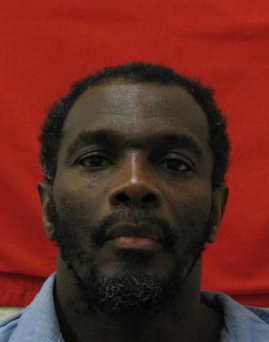
Vernon Lee Clark
Baltimore Serial Killer Case
CLASSIFICATION: Serial Homicide
LOCATION
Greater Baltimore, Maryland
TIME PERIOD
1980-1989
VICTIMS
4 confirmed
Vernon Lee Clark, born December 28, 1955, is a convicted serial killer responsible for the sexual assault and murder of at least four women in the Greater Baltimore area between 1980 and 1989. His first known victim, 70-year-old Rebecca H. "Dolly" Davis, was murdered on February 16, 1980, followed by 68-year-old Evelyn Dieterich on March 29, 1981, and 81-year-old Iva Myrtle Watson on December 29, 1984. Clark was apprehended on January 26, 1990, and subsequently sentenced to multiple life terms in prison. He remains a suspect in several cold cases, and significant evidence linking him to the crimes includes DNA analysis and witness testimonies from the time of the murders.
Vernon Lee Clark is believed to have potentially committed more murders than the four for which he was convicted, with investigators considering him a suspect in several cold cases. Some speculate that his criminal behavior may have escalated from earlier offenses, suggesting a pattern of violence that could link him to additional unsolved cases in the Greater Baltimore area. There is also a theory that his choice of victims, often older women, indicates a specific predilection or psychological profile that could offer insights into his motivations.
The Dark Legacy of Vernon Lee Clark
Early Life
Born on December 28, 1955, Vernon Lee Clark emerged from Elkridge, Maryland, a small town that would eventually become a notorious backdrop for his heinous crimes. Clark's childhood, marked by a series of troubled behaviors, hinted at a future shadowed by criminal acts. He navigated through Elkridge Elementary School, Waterloo Middle School, and finally Howard High, where he was known for getting into trouble both at school and with the law. His penchant for mischief followed him into adulthood, leading to convictions for drug possession, burglary, and assault. In the early 1980s, Clark took on an unusual job as an animal skinner and worked as a day laborer. Briefly, he also found employment at C & S Faulkner Inc.
The Murders
The string of brutal murders that would define Clark's legacy began with a woman named Rebecca H. "Dolly" Davis. Born in 1909, Davis was a cultured and educated woman, having graduated from Bryn Mawr College in Philadelphia in 1932 with a Bachelor of Arts degree. She taught art at The Baldwin School in Bryn Mawr, Pennsylvania, and continued her passion by studying painting at the Pennsylvania Academy of Fine Arts. In 1937, her artistic journey took her to Europe to visit art museums, but by 1941, she ceased painting, believing it inappropriate during wartime. By the 1970s, Vernon Lee Clark was doing yard work for her.
On February 16, 1980, the tranquility of Davis's life was shattered. Clark attacked the 70-year-old outside her Elkridge home, sexually assaulted her, and stabbed her to death. He hid her body in the woods behind her house, where it was discovered a week later. The gruesome find sent ripples of fear throughout the community, prompting many women to install deadbolt locks for their safety.
Despite the terror he inflicted, Clark evaded suspicion. On March 29, 1981, he was believed to have taken handyman work for 68-year-old Evelyn Dieterich in Catonsville. It was there he repeated his horrific acts, sexually assaulting and murdering her. Once again, Clark slipped through the cracks of justice and spent the next three years without committing any known crimes.
The next brutal attack occurred on December 29, 1984, when Clark broke into the Ellicott City home of 81-year-old Iva Myrtle Watson. He chased her into the woods, where he sexually assaulted and beat her to death. In 1989, Clark borrowed a shotgun from the Bruan Carroll Co. animal rendering plant where he worked. On July 4 of that year, he broke into the apartment of 23-year-old Kathleen Patricia Gouldin, whom he sexually assaulted and shot to death.
Arrest and Investigation
The investigation into Gouldin's murder became a turning point. A pizza box found outside her apartment led detectives to a woman Clark had been chatting with hours before the murder. She confirmed Clark took the box home along with some slices of pizza. Neighbors reported seeing someone prowling around the complex at the time of Gouldin's murder. A small semen sample collected from her body provided the crucial evidence needed.
Armed with a search warrant, police confronted Clark at his home. The encounter turned violent when he punched and bit the officers, resulting in his arrest on assault charges from August 9 to September 22. While incarcerated, his DNA was stored in the crime lab. With a $6,000 reward offered for information leading to his arrest, the investigation gained momentum. By January 1990, DNA comparisons between samples from Gouldin's body and Clark's proved a complete match. Clark was arrested on January 26, 1990, and charged with first-degree murder. This arrest prompted police to consider his involvement in other unsolved cases dating back to the mid-1970s, although evidence was lacking at the time.
Trial and Imprisonment
As the trial approached, Clark's defense hinged on his heavy drug use, claiming he was with prostitutes on the night of Gouldin's murder. He also alleged racial discrimination led to his arrest. During proceedings, the defense requested that Gouldin's mother be barred from attending the trial, citing a sequestration order for witnesses. The judge controversially agreed.
On April 17, 1991, the jury found Clark guilty of murder. Sentencing was postponed in August after an anonymous letter claimed to witness the murder and insisted on Clark's innocence. Despite the pause, Clark was ultimately sentenced to life imprisonment.
The years that followed saw the emergence of new evidence. On March 10, 1999, DNA technology identified Clark as Evelyn Dieterich's killer. Detective Keith Fisher urged Baltimore County officials to conduct similar tests on other cases. On August 5, 1999, DNA testing linked Clark to Rebecca Davis's murder, leading to two additional life sentences in 2001. Suspicions regarding Clark's involvement in Iva Watson's murder lingered, but identification was elusive until 2015, when DNA evidence conclusively named him her killer, earning him another life sentence.
Clark remains a suspect in numerous other unsolved murders in Howard County, dating back to the mid-1970s, including the 1979 murders of Carvel Faulkner, 58, and his wife Sara, 56.
Sources
For further details, please visit Vernon Lee Clark's Wikipedia page.
No Recent News
No recent news articles found for this case. Check back later for updates.
No Evidence Submitted
No evidence found for this case. Be the first to submit evidence in the comments below.
Join the discussion
Loading comments...
First Murder Committed
Vernon Lee Clark sexually assaults and murders 70-year-old Rebecca H. 'Dolly' Davis.
Second Murder Committed
Clark attacks and kills 68-year-old Evelyn Dieterich in Catonsville.
Third Murder Committed
Clark murders 81-year-old Iva Myrtle Watson after breaking into her home.
Fourth Murder Committed
Clark sexually assaults and murders 23-year-old Kathleen Patricia Gouldin.
Arrest Made
Clark is arrested after DNA evidence links him to the murder of Kathleen Gouldin.
Conviction
Clark is found guilty of first-degree murder for the killing of Kathleen Gouldin.
DNA Links to Second Murder
DNA evidence identifies Clark as the killer of Evelyn Dieterich.
Charged with Third Murder
Clark is charged with the murder of Rebecca Davis following DNA testing.
Identified as Watson's Killer
Clark is identified as the killer of Iva Myrtle Watson via DNA testing.
Vernon Lee Clark, born December 28, 1955, is a convicted serial killer responsible for the sexual assault and murder of at least four women in the Greater Baltimore area between 1980 and 1989. His first known victim, 70-year-old Rebecca H. "Dolly" Davis, was murdered on February 16, 1980, followed by 68-year-old Evelyn Dieterich on March 29, 1981, and 81-year-old Iva Myrtle Watson on December 29, 1984. Clark was apprehended on January 26, 1990, and subsequently sentenced to multiple life terms in prison. He remains a suspect in several cold cases, and significant evidence linking him to the crimes includes DNA analysis and witness testimonies from the time of the murders.
Vernon Lee Clark is believed to have potentially committed more murders than the four for which he was convicted, with investigators considering him a suspect in several cold cases. Some speculate that his criminal behavior may have escalated from earlier offenses, suggesting a pattern of violence that could link him to additional unsolved cases in the Greater Baltimore area. There is also a theory that his choice of victims, often older women, indicates a specific predilection or psychological profile that could offer insights into his motivations.
The Dark Legacy of Vernon Lee Clark
Early Life
Born on December 28, 1955, Vernon Lee Clark emerged from Elkridge, Maryland, a small town that would eventually become a notorious backdrop for his heinous crimes. Clark's childhood, marked by a series of troubled behaviors, hinted at a future shadowed by criminal acts. He navigated through Elkridge Elementary School, Waterloo Middle School, and finally Howard High, where he was known for getting into trouble both at school and with the law. His penchant for mischief followed him into adulthood, leading to convictions for drug possession, burglary, and assault. In the early 1980s, Clark took on an unusual job as an animal skinner and worked as a day laborer. Briefly, he also found employment at C & S Faulkner Inc.
The Murders
The string of brutal murders that would define Clark's legacy began with a woman named Rebecca H. "Dolly" Davis. Born in 1909, Davis was a cultured and educated woman, having graduated from Bryn Mawr College in Philadelphia in 1932 with a Bachelor of Arts degree. She taught art at The Baldwin School in Bryn Mawr, Pennsylvania, and continued her passion by studying painting at the Pennsylvania Academy of Fine Arts. In 1937, her artistic journey took her to Europe to visit art museums, but by 1941, she ceased painting, believing it inappropriate during wartime. By the 1970s, Vernon Lee Clark was doing yard work for her.
On February 16, 1980, the tranquility of Davis's life was shattered. Clark attacked the 70-year-old outside her Elkridge home, sexually assaulted her, and stabbed her to death. He hid her body in the woods behind her house, where it was discovered a week later. The gruesome find sent ripples of fear throughout the community, prompting many women to install deadbolt locks for their safety.
Despite the terror he inflicted, Clark evaded suspicion. On March 29, 1981, he was believed to have taken handyman work for 68-year-old Evelyn Dieterich in Catonsville. It was there he repeated his horrific acts, sexually assaulting and murdering her. Once again, Clark slipped through the cracks of justice and spent the next three years without committing any known crimes.
The next brutal attack occurred on December 29, 1984, when Clark broke into the Ellicott City home of 81-year-old Iva Myrtle Watson. He chased her into the woods, where he sexually assaulted and beat her to death. In 1989, Clark borrowed a shotgun from the Bruan Carroll Co. animal rendering plant where he worked. On July 4 of that year, he broke into the apartment of 23-year-old Kathleen Patricia Gouldin, whom he sexually assaulted and shot to death.
Arrest and Investigation
The investigation into Gouldin's murder became a turning point. A pizza box found outside her apartment led detectives to a woman Clark had been chatting with hours before the murder. She confirmed Clark took the box home along with some slices of pizza. Neighbors reported seeing someone prowling around the complex at the time of Gouldin's murder. A small semen sample collected from her body provided the crucial evidence needed.
Armed with a search warrant, police confronted Clark at his home. The encounter turned violent when he punched and bit the officers, resulting in his arrest on assault charges from August 9 to September 22. While incarcerated, his DNA was stored in the crime lab. With a $6,000 reward offered for information leading to his arrest, the investigation gained momentum. By January 1990, DNA comparisons between samples from Gouldin's body and Clark's proved a complete match. Clark was arrested on January 26, 1990, and charged with first-degree murder. This arrest prompted police to consider his involvement in other unsolved cases dating back to the mid-1970s, although evidence was lacking at the time.
Trial and Imprisonment
As the trial approached, Clark's defense hinged on his heavy drug use, claiming he was with prostitutes on the night of Gouldin's murder. He also alleged racial discrimination led to his arrest. During proceedings, the defense requested that Gouldin's mother be barred from attending the trial, citing a sequestration order for witnesses. The judge controversially agreed.
On April 17, 1991, the jury found Clark guilty of murder. Sentencing was postponed in August after an anonymous letter claimed to witness the murder and insisted on Clark's innocence. Despite the pause, Clark was ultimately sentenced to life imprisonment.
The years that followed saw the emergence of new evidence. On March 10, 1999, DNA technology identified Clark as Evelyn Dieterich's killer. Detective Keith Fisher urged Baltimore County officials to conduct similar tests on other cases. On August 5, 1999, DNA testing linked Clark to Rebecca Davis's murder, leading to two additional life sentences in 2001. Suspicions regarding Clark's involvement in Iva Watson's murder lingered, but identification was elusive until 2015, when DNA evidence conclusively named him her killer, earning him another life sentence.
Clark remains a suspect in numerous other unsolved murders in Howard County, dating back to the mid-1970s, including the 1979 murders of Carvel Faulkner, 58, and his wife Sara, 56.
Sources
For further details, please visit Vernon Lee Clark's Wikipedia page.
No Recent News
No recent news articles found for this case. Check back later for updates.
No Evidence Submitted
No evidence found for this case. Be the first to submit evidence in the comments below.
Join the discussion
Loading comments...
First Murder Committed
Vernon Lee Clark sexually assaults and murders 70-year-old Rebecca H. 'Dolly' Davis.
Second Murder Committed
Clark attacks and kills 68-year-old Evelyn Dieterich in Catonsville.
Third Murder Committed
Clark murders 81-year-old Iva Myrtle Watson after breaking into her home.
Fourth Murder Committed
Clark sexually assaults and murders 23-year-old Kathleen Patricia Gouldin.
Arrest Made
Clark is arrested after DNA evidence links him to the murder of Kathleen Gouldin.
Conviction
Clark is found guilty of first-degree murder for the killing of Kathleen Gouldin.
DNA Links to Second Murder
DNA evidence identifies Clark as the killer of Evelyn Dieterich.
Charged with Third Murder
Clark is charged with the murder of Rebecca Davis following DNA testing.
Identified as Watson's Killer
Clark is identified as the killer of Iva Myrtle Watson via DNA testing.