LOCATION
Parkville, Missouri
TIME PERIOD
2000-2001
VICTIMS
1 confirmed
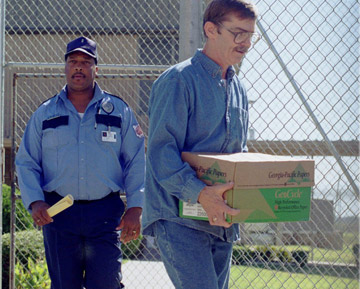
Wayne Eugene DuMond, an American serial killer and rapist, was convicted of multiple crimes, including first-degree murder and rape, primarily occurring in Arkansas during the 1970s and 1980s. Notably, in 1984, DuMond raped Ashley Stevens, a 17-year-old cheerleader related to then-Governor Bill Clinton, leading to his incarceration. DuMond's criminal history includes a 1972 murder charge in Oklahoma, where he was not prosecuted after agreeing to testify against his accomplices. His life sentence for rape drew national attention in 2007 when his potential parole became a political issue during the 2008 presidential campaign, particularly affecting Mike Huckabee's candidacy. DuMond died in prison on August 31, 2005, while serving his sentence at Crossroads Correctional Center in Cameron, Missouri, with his case remaining a point of discussion regarding criminal justice and parole policies.
Wayne DuMond's case has led to speculation that his military background and violent tendencies contributed to his criminal behavior. Some believe that his early release from prison could have been avoided if not for political pressures during the 2008 presidential campaign, particularly concerning Mike Huckabee's involvement. Additionally, there are theories that DuMond's manipulation of victims, including using acquaintances to lure them, indicates a calculated pattern of predatory behavior.
The Troubled Life and Crimes of Wayne DuMond
Early Life and Military Service
Wayne Eugene DuMond was born on September 10, 1949, in DeWitt, Arkansas. His life would become a grim tale of crime and controversy, culminating in his death on August 31, 2005, at the Crossroads Correctional Center in Cameron, Missouri. DuMond's journey from Vietnam War soldier to convicted rapist and murderer is marked by a series of violent acts and legal battles that would capture the nation’s attention.
After serving in Vietnam, where DuMond claimed to have participated in the massacre of a Cambodian village, he returned to the United States to work as a handyman and carpenter around DeWitt, Forrest City, and Texas. Despite being a decorated veteran, DuMond’s life would soon spiral into a series of criminal activities.
A Pattern of Violence
DuMond's brush with the law began on August 8, 1972, when he was charged with murder in Lawton, Oklahoma. He, along with two accomplices, used a 17-year-old girl to lure their victim to an isolated area where they beat him to death with a claw hammer. In a twist of justice, DuMond avoided charges by agreeing to testify against his accomplices.
But this was only the beginning. On October 19, 1973, DuMond faced charges of molesting a teenage girl in Tacoma, Washington, which resulted in a five-year deferred sentence and mandatory drug counseling. Just a few years later, on September 28, 1976, he was charged with raping a woman in DeWitt, Arkansas, though these charges were dropped after he agreed to counseling.
The Arkansas Rape Case
DuMond's most infamous crime occurred in 1984 in Forrest City, Arkansas, when he raped 17-year-old Ashley Stevens, a distant cousin of then-Governor Bill Clinton. The case would draw significant political attention, especially after DuMond’s arrest in March 1985.
Before his trial, DuMond was reportedly attacked and castrated in his own home by two unknown assailants. The investigation, led by Arkansas State Police investigator Phil Ostermann, revealed that Dr. Jeff Whitfield of the Elvis Presley Trauma Center examined DuMond post-incident. Whitfield suggested the possibility that DuMond's injuries could have been self-inflicted, a theory supported by the lack of struggle evidence and the presence of a half-empty whiskey bottle at the scene.
Despite these suspicions, DuMond successfully sued St. Francis County and Sheriff Coolidge Conlee for displaying his severed testicles, which were later flushed down a toilet. Ultimately, DuMond was sentenced to life plus 20 years for the rape of Stevens.
Political and Legal Controversies
The conviction became a political hotbed when a right-wing campaign suggested that Clinton had framed DuMond. Supporters, including author Guy Reel, New York Post columnist Steve Dunleavy, and Baptist pastor Jay Cole, pushed for DuMond's pardon, claiming the case was manipulated politically.
Key arguments from DuMond's advocates were debunked over time. For instance, contrary to claims, DNA evidence did not exonerate DuMond, and the victim had indeed identified DuMond in a lineup. Despite these truths, the narrative that DuMond was wrongfully imprisoned persisted.
In September 1990, then-Governor Bill Clinton refused to commute DuMond's life sentence, leaving the decision to the appeals court. After Clinton became president, Lieutenant Governor Jim Guy Tucker reduced DuMond's sentence to slightly over 39 years because the jury had not considered his castration.
When Mike Huckabee became governor, he supported DuMond's release, despite opposition and concerns about Huckabee's reliance on biased sources. In January 1997, Huckabee wrote to DuMond, expressing his desire for DuMond's release.
Missouri Murders
After being paroled in 1999, DuMond moved to Smithville, Missouri. He married Terry Sue, a woman he met through a church group during his incarceration. However, DuMond's criminal activities resumed with the September 20, 2000, rape and murder of Carol Sue Shields. By 2003, he was convicted of this heinous act.
DuMond's story ended on September 1, 2005, when he died of cancer in his prison cell. At the time, he was under investigation for another crime, the June 21, 2001, rape and murder of Sara Andrasek, who was pregnant.
The Political Aftermath
DuMond's case resurfaced during the 2008 presidential campaign, when Lois Davidson, the mother of victim Carol Sue Shields, appeared in a video condemning Huckabee's role in DuMond's release. The video, which went viral on YouTube, was likened to the infamous Willie Horton ad of 1988, casting a long shadow over Huckabee's candidacy.
Personal Life
Wayne DuMond married three times and had six children. His second wife, Dusty, died in a car crash shortly after his parole was approved but before his release. His third wife, Terry Sue, remained with him until his death.
Sources
No Recent News
No recent news articles found for this case. Check back later for updates.
No Evidence Submitted
No evidence found for this case. Be the first to submit evidence in the comments below.
Join the discussion
Loading comments...
First Murder Charge
Wayne DuMond charged with murder in Oklahoma after beating a victim to death with a claw hammer.
Rape Charge Filed
DuMond charged with raping a woman in DeWitt, Arkansas; charges dropped after he underwent counseling.
Second Rape Conviction
DuMond convicted of raping 17-year-old Ashley Stevens, cousin of then-Governor Bill Clinton.
Clinton Denies Parole
Governor Bill Clinton overrides parole board's recommendation to commute DuMond's sentence.
Sentence Commuted
Governor Jim Guy Tucker commutes DuMond's life sentence to 39.5 years, making him eligible for parole.
Paroled to Missouri
DuMond released on parole and moves to Smithville, Missouri.
Arrest for New Crimes
DuMond arrested for the rape and murder of Carol Sue Shields in Parkville, Missouri.
Convicted Again
DuMond convicted of the rape and murder of Carol Sue Shields.
DuMond Dies in Prison
Wayne DuMond found dead in his cell from cancer at Crossroads Correctional Center.
Huckabee Controversy
A video highlighting DuMond's case goes viral, impacting Mike Huckabee's presidential campaign.
Wayne Eugene DuMond, an American serial killer and rapist, was convicted of multiple crimes, including first-degree murder and rape, primarily occurring in Arkansas during the 1970s and 1980s. Notably, in 1984, DuMond raped Ashley Stevens, a 17-year-old cheerleader related to then-Governor Bill Clinton, leading to his incarceration. DuMond's criminal history includes a 1972 murder charge in Oklahoma, where he was not prosecuted after agreeing to testify against his accomplices. His life sentence for rape drew national attention in 2007 when his potential parole became a political issue during the 2008 presidential campaign, particularly affecting Mike Huckabee's candidacy. DuMond died in prison on August 31, 2005, while serving his sentence at Crossroads Correctional Center in Cameron, Missouri, with his case remaining a point of discussion regarding criminal justice and parole policies.
Wayne DuMond's case has led to speculation that his military background and violent tendencies contributed to his criminal behavior. Some believe that his early release from prison could have been avoided if not for political pressures during the 2008 presidential campaign, particularly concerning Mike Huckabee's involvement. Additionally, there are theories that DuMond's manipulation of victims, including using acquaintances to lure them, indicates a calculated pattern of predatory behavior.
The Troubled Life and Crimes of Wayne DuMond
Early Life and Military Service
Wayne Eugene DuMond was born on September 10, 1949, in DeWitt, Arkansas. His life would become a grim tale of crime and controversy, culminating in his death on August 31, 2005, at the Crossroads Correctional Center in Cameron, Missouri. DuMond's journey from Vietnam War soldier to convicted rapist and murderer is marked by a series of violent acts and legal battles that would capture the nation’s attention.
After serving in Vietnam, where DuMond claimed to have participated in the massacre of a Cambodian village, he returned to the United States to work as a handyman and carpenter around DeWitt, Forrest City, and Texas. Despite being a decorated veteran, DuMond’s life would soon spiral into a series of criminal activities.
A Pattern of Violence
DuMond's brush with the law began on August 8, 1972, when he was charged with murder in Lawton, Oklahoma. He, along with two accomplices, used a 17-year-old girl to lure their victim to an isolated area where they beat him to death with a claw hammer. In a twist of justice, DuMond avoided charges by agreeing to testify against his accomplices.
But this was only the beginning. On October 19, 1973, DuMond faced charges of molesting a teenage girl in Tacoma, Washington, which resulted in a five-year deferred sentence and mandatory drug counseling. Just a few years later, on September 28, 1976, he was charged with raping a woman in DeWitt, Arkansas, though these charges were dropped after he agreed to counseling.
The Arkansas Rape Case
DuMond's most infamous crime occurred in 1984 in Forrest City, Arkansas, when he raped 17-year-old Ashley Stevens, a distant cousin of then-Governor Bill Clinton. The case would draw significant political attention, especially after DuMond’s arrest in March 1985.
Before his trial, DuMond was reportedly attacked and castrated in his own home by two unknown assailants. The investigation, led by Arkansas State Police investigator Phil Ostermann, revealed that Dr. Jeff Whitfield of the Elvis Presley Trauma Center examined DuMond post-incident. Whitfield suggested the possibility that DuMond's injuries could have been self-inflicted, a theory supported by the lack of struggle evidence and the presence of a half-empty whiskey bottle at the scene.
Despite these suspicions, DuMond successfully sued St. Francis County and Sheriff Coolidge Conlee for displaying his severed testicles, which were later flushed down a toilet. Ultimately, DuMond was sentenced to life plus 20 years for the rape of Stevens.
Political and Legal Controversies
The conviction became a political hotbed when a right-wing campaign suggested that Clinton had framed DuMond. Supporters, including author Guy Reel, New York Post columnist Steve Dunleavy, and Baptist pastor Jay Cole, pushed for DuMond's pardon, claiming the case was manipulated politically.
Key arguments from DuMond's advocates were debunked over time. For instance, contrary to claims, DNA evidence did not exonerate DuMond, and the victim had indeed identified DuMond in a lineup. Despite these truths, the narrative that DuMond was wrongfully imprisoned persisted.
In September 1990, then-Governor Bill Clinton refused to commute DuMond's life sentence, leaving the decision to the appeals court. After Clinton became president, Lieutenant Governor Jim Guy Tucker reduced DuMond's sentence to slightly over 39 years because the jury had not considered his castration.
When Mike Huckabee became governor, he supported DuMond's release, despite opposition and concerns about Huckabee's reliance on biased sources. In January 1997, Huckabee wrote to DuMond, expressing his desire for DuMond's release.
Missouri Murders
After being paroled in 1999, DuMond moved to Smithville, Missouri. He married Terry Sue, a woman he met through a church group during his incarceration. However, DuMond's criminal activities resumed with the September 20, 2000, rape and murder of Carol Sue Shields. By 2003, he was convicted of this heinous act.
DuMond's story ended on September 1, 2005, when he died of cancer in his prison cell. At the time, he was under investigation for another crime, the June 21, 2001, rape and murder of Sara Andrasek, who was pregnant.
The Political Aftermath
DuMond's case resurfaced during the 2008 presidential campaign, when Lois Davidson, the mother of victim Carol Sue Shields, appeared in a video condemning Huckabee's role in DuMond's release. The video, which went viral on YouTube, was likened to the infamous Willie Horton ad of 1988, casting a long shadow over Huckabee's candidacy.
Personal Life
Wayne DuMond married three times and had six children. His second wife, Dusty, died in a car crash shortly after his parole was approved but before his release. His third wife, Terry Sue, remained with him until his death.
Sources
No Recent News
No recent news articles found for this case. Check back later for updates.
No Evidence Submitted
No evidence found for this case. Be the first to submit evidence in the comments below.
Join the discussion
Loading comments...
First Murder Charge
Wayne DuMond charged with murder in Oklahoma after beating a victim to death with a claw hammer.
Rape Charge Filed
DuMond charged with raping a woman in DeWitt, Arkansas; charges dropped after he underwent counseling.
Second Rape Conviction
DuMond convicted of raping 17-year-old Ashley Stevens, cousin of then-Governor Bill Clinton.
Clinton Denies Parole
Governor Bill Clinton overrides parole board's recommendation to commute DuMond's sentence.
Sentence Commuted
Governor Jim Guy Tucker commutes DuMond's life sentence to 39.5 years, making him eligible for parole.
Paroled to Missouri
DuMond released on parole and moves to Smithville, Missouri.
Arrest for New Crimes
DuMond arrested for the rape and murder of Carol Sue Shields in Parkville, Missouri.
Convicted Again
DuMond convicted of the rape and murder of Carol Sue Shields.
DuMond Dies in Prison
Wayne DuMond found dead in his cell from cancer at Crossroads Correctional Center.
Huckabee Controversy
A video highlighting DuMond's case goes viral, impacting Mike Huckabee's presidential campaign.