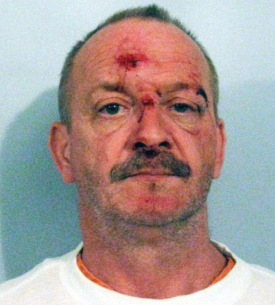
William Clyde Gibson
Serial Killer on Death Row
CLASSIFICATION: Serial Homicide
LOCATION
New Albany, Indiana
TIME PERIOD
2002-2012
VICTIMS
3 confirmed
William Clyde Gibson III, born October 10, 1957, is an American serial killer currently on death row in Indiana for the sexually motivated murders of two women in 2002 and 2012, along with a third murder for which he is serving a 65-year sentence. Gibson was apprehended on April 19, 2012, in New Albany, Indiana, and has claimed responsibility for up to 30 additional murders across various states, though these claims remain unverified. His criminal history includes multiple convictions for murder and rape, and he is currently incarcerated at Indiana State Prison in Michigan City, Indiana. Significant evidence leading to his convictions includes DNA analysis and witness testimonies linking him to the crimes.
William Clyde Gibson is believed to have committed upwards of 30 additional murders across multiple states, although none of these claims have been confirmed. Some theorize that his violent tendencies may stem from his childhood experiences, including bullying and a combative alcoholic father. Investigators and the public speculate that his pattern of escalating violence and the sexually motivated nature of his confirmed murders indicate a deep-seated psychological issue that may have contributed to his criminal behavior.
The Dark Path of William Clyde Gibson
A Killer's Early Years
Born on October 10, 1957, in Raleigh, North Carolina, William Clyde Gibson III arrived as the youngest of four children to William Jr., a foreman, and Jeraline "Geri" Gibson, a cashier. When he was just two, the family relocated to New Albany, Indiana, where Gibson would spend his formative years. In later interviews, Gibson reflected on his childhood, denying any abuse or neglect but acknowledging his father's battle with alcoholism, which often turned the elder Gibson combative.
From an early age, Gibson displayed peculiar behaviors. Struggling to communicate and having a hard time at school, he preferred the company of his mother over peers. Bullying was a constant until the sixth grade when Gibson grew strong enough to become the bully. His school life was marred by fights and defiance, with a childhood friend, Melodie Schultz, claiming he once shot another child with a pellet gun. By 13, Gibson was drinking, and that same year, he was arrested for stealing a motorbike.
Gibson's life veered further off course after he dropped out of school. His teenage years were characterized by petty crimes, including a drunk driving incident that ended in a crash. Shortly after, he joined the Army, serving in West Germany as a mechanic. Despite earning badges for marksmanship and grenade use, Gibson's time there was tainted by a growing addiction to heroin, cocaine, LSD, and alcohol. His service ended in disgrace; in 1979, he was dishonorably discharged for car theft and imprisoned at Fort Leavenworth, where he attempted suicide.
A History of Crime
Gibson's criminal activities continued unabated. On January 26, 1991, he collided with another vehicle while reversing his pickup truck. The situation escalated into a high-speed chase, ending with another crash that injured both Gibson and the other driver. Eight months later, he faced charges of robbery and sexual battery for assaulting a 21-year-old woman in Louisville, Kentucky. At trial, his lawyer argued for a competency evaluation, revealing an IQ of 79 and a tendency to blame his actions on alcoholism, though no mental illness was found.
Despite this, Gibson was found competent to stand trial and accepted an Alford plea, resulting in a seven-year sentence at Luther Luckett Correctional Complex in La Grange. His refusal to accept responsibility kept him from participating in a sex offender program. While incarcerated, Gibson obtained an associate degree in art but was deemed unlikely to re-offend, leading to his release on April 5, 1999, and his addition to the Indiana Sex and Violent Offender Registry.
Post-release, Gibson's life continued on a rocky path. He dated Kelly Bailey and moved to Borden, Indiana, but she left him in 2000 due to his drug issues. That year, Bailey accused him of assault and theft, but the case wasn't pursued due to insufficient evidence. In 2001, he was caught stealing a Harley-Davidson and sentenced to three years, with time served at Madison State Hospital for addiction treatment. Released on March 12, 2002, Gibson's criminality would soon escalate to an unimaginable level.
The Murders Begin
The tragic saga of William Clyde Gibson's confirmed murders began on October 10, 2002. While drinking in Jeffersonville, he met Karen Sue Hodella, a visiting beautician from Florida. A night of bar-hopping turned deadly at a New Albany apartment complex when a dispute over medication led Gibson to stab Hodella in the throat repeatedly. He disposed of her body in Clarksville, later marking his arm with a tattoo of the date and a knife. Her decomposed remains surfaced on January 7, 2003, identified through dental records.
Gibson's life continued its troubled trajectory. After another arrest for drunk driving and a failed lawsuit against prison authorities for poor conditions, he returned to a life of crime. In 2006, he was imprisoned for stealing a purse and $300, serving until mid-2009. Gibson found work at C&C Hardwood Flooring in Borden and attended church, but he remained unsettling to those around him.
The death of his mother on January 18, 2012, seemed to tip Gibson over the edge. On March 24, he met Stephanie Marie Kirk at a bar in New Albany. A day of drugs and intimacy culminated in Gibson's violent rage; he raped, strangled, and sexually assaulted her, burying her in his backyard. Less than a month later, he murdered Christine Whitis, a 75-year-old family friend, mutilating her body and leaving it in his garage.
Arrest and Legal Proceedings
The discovery of Whitis' body on April 19, 2012, by Gibson's sister led to his arrest for drunk driving in Whitis' car and subsequent murder charges. Gibson confessed to Hodella's murder and guided authorities to Kirk's grave. By May 23, he faced charges for all three murders, with prosecutors seeking the death penalty.
During his trial, Gibson's statement about an "evil" force surfaced, but it didn't sway the jury. On October 25, 2013, they found him guilty of Whitis' murder in just 20 minutes. In November, he received a death sentence, which he accepted with a chilling nonchalance.
Gibson continued to plead guilty in subsequent trials, resulting in another death sentence for Kirk's murder. His ominous tattoo, "Death Row X3," threatened to prejudice jurors, leading the court to ban haircuts to hide it.
Aftermath and Continuing Claims
Since his incarceration, Gibson has repeatedly appealed his death sentences, but the Indiana Supreme Court upheld his convictions. His notoriety grew through media appearances, including the documentary "Inside Death Row" and podcast interviews where he claimed responsibility for 30 additional murders, though none have been confirmed. Among his alleged victims is Elizabeth Banister, murdered in 2000, but no charges have been brought.
Gibson's legacy remains a chilling reminder of the darkness that can inhabit the human soul, leaving behind a trail of violence and unanswered questions.
Sources
For further details, visit the Wikipedia article on William Clyde Gibson.
No Recent News
No recent news articles found for this case. Check back later for updates.
No Evidence Submitted
No evidence found for this case. Be the first to submit evidence in the comments below.
Join the discussion
Loading comments...
First Murder Committed
William Clyde Gibson murders Karen Sue Hodella after an argument over stolen medication.
Hodella's Body Found
The decomposed body of Karen Sue Hodella is discovered and identified via dental records.
Gibson Arrested
William Clyde Gibson is arrested for drunk driving in a car belonging to a murder victim.
Confession to Murders
Gibson confesses to the murders of Karen Sue Hodella and Stephanie Marie Kirk.
Kirk's Body Discovered
Authorities recover the body of Stephanie Marie Kirk from Gibson's backyard.
Guilty Verdict for Whitis
Gibson is found guilty of the murder of Christine Whitis after a jury trial.
Death Sentence Imposed
Gibson is sentenced to death for the murder of Christine Whitis.
Second Death Sentence
Gibson receives a second death sentence for the murder of Stephanie Marie Kirk.
Appeals Rejected
The Indiana Supreme Court rejects Gibson's appeals against his death sentences.
William Clyde Gibson III, born October 10, 1957, is an American serial killer currently on death row in Indiana for the sexually motivated murders of two women in 2002 and 2012, along with a third murder for which he is serving a 65-year sentence. Gibson was apprehended on April 19, 2012, in New Albany, Indiana, and has claimed responsibility for up to 30 additional murders across various states, though these claims remain unverified. His criminal history includes multiple convictions for murder and rape, and he is currently incarcerated at Indiana State Prison in Michigan City, Indiana. Significant evidence leading to his convictions includes DNA analysis and witness testimonies linking him to the crimes.
William Clyde Gibson is believed to have committed upwards of 30 additional murders across multiple states, although none of these claims have been confirmed. Some theorize that his violent tendencies may stem from his childhood experiences, including bullying and a combative alcoholic father. Investigators and the public speculate that his pattern of escalating violence and the sexually motivated nature of his confirmed murders indicate a deep-seated psychological issue that may have contributed to his criminal behavior.
The Dark Path of William Clyde Gibson
A Killer's Early Years
Born on October 10, 1957, in Raleigh, North Carolina, William Clyde Gibson III arrived as the youngest of four children to William Jr., a foreman, and Jeraline "Geri" Gibson, a cashier. When he was just two, the family relocated to New Albany, Indiana, where Gibson would spend his formative years. In later interviews, Gibson reflected on his childhood, denying any abuse or neglect but acknowledging his father's battle with alcoholism, which often turned the elder Gibson combative.
From an early age, Gibson displayed peculiar behaviors. Struggling to communicate and having a hard time at school, he preferred the company of his mother over peers. Bullying was a constant until the sixth grade when Gibson grew strong enough to become the bully. His school life was marred by fights and defiance, with a childhood friend, Melodie Schultz, claiming he once shot another child with a pellet gun. By 13, Gibson was drinking, and that same year, he was arrested for stealing a motorbike.
Gibson's life veered further off course after he dropped out of school. His teenage years were characterized by petty crimes, including a drunk driving incident that ended in a crash. Shortly after, he joined the Army, serving in West Germany as a mechanic. Despite earning badges for marksmanship and grenade use, Gibson's time there was tainted by a growing addiction to heroin, cocaine, LSD, and alcohol. His service ended in disgrace; in 1979, he was dishonorably discharged for car theft and imprisoned at Fort Leavenworth, where he attempted suicide.
A History of Crime
Gibson's criminal activities continued unabated. On January 26, 1991, he collided with another vehicle while reversing his pickup truck. The situation escalated into a high-speed chase, ending with another crash that injured both Gibson and the other driver. Eight months later, he faced charges of robbery and sexual battery for assaulting a 21-year-old woman in Louisville, Kentucky. At trial, his lawyer argued for a competency evaluation, revealing an IQ of 79 and a tendency to blame his actions on alcoholism, though no mental illness was found.
Despite this, Gibson was found competent to stand trial and accepted an Alford plea, resulting in a seven-year sentence at Luther Luckett Correctional Complex in La Grange. His refusal to accept responsibility kept him from participating in a sex offender program. While incarcerated, Gibson obtained an associate degree in art but was deemed unlikely to re-offend, leading to his release on April 5, 1999, and his addition to the Indiana Sex and Violent Offender Registry.
Post-release, Gibson's life continued on a rocky path. He dated Kelly Bailey and moved to Borden, Indiana, but she left him in 2000 due to his drug issues. That year, Bailey accused him of assault and theft, but the case wasn't pursued due to insufficient evidence. In 2001, he was caught stealing a Harley-Davidson and sentenced to three years, with time served at Madison State Hospital for addiction treatment. Released on March 12, 2002, Gibson's criminality would soon escalate to an unimaginable level.
The Murders Begin
The tragic saga of William Clyde Gibson's confirmed murders began on October 10, 2002. While drinking in Jeffersonville, he met Karen Sue Hodella, a visiting beautician from Florida. A night of bar-hopping turned deadly at a New Albany apartment complex when a dispute over medication led Gibson to stab Hodella in the throat repeatedly. He disposed of her body in Clarksville, later marking his arm with a tattoo of the date and a knife. Her decomposed remains surfaced on January 7, 2003, identified through dental records.
Gibson's life continued its troubled trajectory. After another arrest for drunk driving and a failed lawsuit against prison authorities for poor conditions, he returned to a life of crime. In 2006, he was imprisoned for stealing a purse and $300, serving until mid-2009. Gibson found work at C&C Hardwood Flooring in Borden and attended church, but he remained unsettling to those around him.
The death of his mother on January 18, 2012, seemed to tip Gibson over the edge. On March 24, he met Stephanie Marie Kirk at a bar in New Albany. A day of drugs and intimacy culminated in Gibson's violent rage; he raped, strangled, and sexually assaulted her, burying her in his backyard. Less than a month later, he murdered Christine Whitis, a 75-year-old family friend, mutilating her body and leaving it in his garage.
Arrest and Legal Proceedings
The discovery of Whitis' body on April 19, 2012, by Gibson's sister led to his arrest for drunk driving in Whitis' car and subsequent murder charges. Gibson confessed to Hodella's murder and guided authorities to Kirk's grave. By May 23, he faced charges for all three murders, with prosecutors seeking the death penalty.
During his trial, Gibson's statement about an "evil" force surfaced, but it didn't sway the jury. On October 25, 2013, they found him guilty of Whitis' murder in just 20 minutes. In November, he received a death sentence, which he accepted with a chilling nonchalance.
Gibson continued to plead guilty in subsequent trials, resulting in another death sentence for Kirk's murder. His ominous tattoo, "Death Row X3," threatened to prejudice jurors, leading the court to ban haircuts to hide it.
Aftermath and Continuing Claims
Since his incarceration, Gibson has repeatedly appealed his death sentences, but the Indiana Supreme Court upheld his convictions. His notoriety grew through media appearances, including the documentary "Inside Death Row" and podcast interviews where he claimed responsibility for 30 additional murders, though none have been confirmed. Among his alleged victims is Elizabeth Banister, murdered in 2000, but no charges have been brought.
Gibson's legacy remains a chilling reminder of the darkness that can inhabit the human soul, leaving behind a trail of violence and unanswered questions.
Sources
For further details, visit the Wikipedia article on William Clyde Gibson.
No Recent News
No recent news articles found for this case. Check back later for updates.
No Evidence Submitted
No evidence found for this case. Be the first to submit evidence in the comments below.
Join the discussion
Loading comments...
First Murder Committed
William Clyde Gibson murders Karen Sue Hodella after an argument over stolen medication.
Hodella's Body Found
The decomposed body of Karen Sue Hodella is discovered and identified via dental records.
Gibson Arrested
William Clyde Gibson is arrested for drunk driving in a car belonging to a murder victim.
Confession to Murders
Gibson confesses to the murders of Karen Sue Hodella and Stephanie Marie Kirk.
Kirk's Body Discovered
Authorities recover the body of Stephanie Marie Kirk from Gibson's backyard.
Guilty Verdict for Whitis
Gibson is found guilty of the murder of Christine Whitis after a jury trial.
Death Sentence Imposed
Gibson is sentenced to death for the murder of Christine Whitis.
Second Death Sentence
Gibson receives a second death sentence for the murder of Stephanie Marie Kirk.
Appeals Rejected
The Indiana Supreme Court rejects Gibson's appeals against his death sentences.