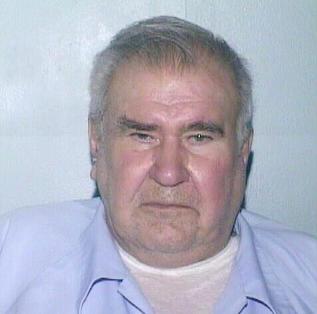
William Heirens
Chicago Lipstick Killer Case
CLASSIFICATION: Serial Homicide
LOCATION
Chicago, Illinois
TIME PERIOD
June 5, 1945 – January 7, 1946
VICTIMS
3 confirmed
William George Heirens, known as the "Lipstick Killer," was convicted of three murders committed between June 5, 1945, and January 7, 1946, in Chicago, Illinois. Heirens was apprehended on June 26, 1946, after confessing to the crimes, which included a notorious message written in lipstick at one of the crime scenes. He was sentenced to life imprisonment and spent 65 years incarcerated until his death on March 5, 2012, at the University of Illinois Medical Center due to complications from diabetes. Despite his confession, Heirens later recanted, claiming coercive interrogation and police brutality, but he remained Illinois' longest-serving prisoner until his passing. Significant evidence included the lipstick message and forensic links to the crime scenes, which were pivotal in securing his conviction.
Heirens recanted his confession, claiming he was a victim of coercive interrogation and police brutality, leading some to believe he may have been innocent or wrongfully convicted. There is speculation that the true identity of the Lipstick Killer could remain unknown, as some theorize that Heirens may have been a scapegoat for a series of unsolved murders. Additionally, some people believe that the police mishandled evidence and that Heirens' conviction was based more on sensationalism than solid proof.
The Lipstick Killer: The Unfolding of William Heirens' Infamous Crimes
Early Life and Path to Infamy
William George Heirens was born on November 15, 1928, in Evanston, Illinois, and grew up in the Chicago suburb of Lincolnwood. The son of George and Margaret Heirens, William's early years were marked by poverty and the constant bickering of his parents. To escape the turmoil at home, young William took to wandering the streets and, eventually, to petty crime. He later claimed that these early thefts were for the thrill and release of tension, as he never sold the items he stole.
William's brush with the law began at just 13 years old when he was caught carrying a loaded gun. A search of the family home revealed a cache of stolen goods, including weapons, furs, and electronics. He confessed to 11 burglaries and was sent to the Gibault School for wayward boys. His stint there was followed by another arrest for theft, landing him a three-year sentence at St. Bede Academy. Despite his criminal activities, Heirens excelled academically and was accepted into a special learning program at the University of Chicago shortly before his release in 1945.
Balancing his studies, Heirens worked as an usher and docent to cover his expenses, but he soon returned to burglary. Despite his troubled path, classmates remembered him as a popular figure, especially with the girls.
The Murders
Josephine Ross
The series of grizzly murders that would later be attributed to Heirens began on June 5, 1945. Josephine Ross, 43, was found dead in her Chicago apartment, her body bearing multiple stab wounds and her head wrapped in a dress. Clutched in her hand were dark strands of hair. Despite the violent scene, no valuables were missing, and a dark-haired man seen fleeing the area remained unidentified.
Frances Brown
On December 10, 1945, the body of Frances Brown was discovered in her apartment. A knife was lodged in her neck and she had been shot in the head. Again, nothing appeared to be stolen, but a chilling message was left behind in lipstick on the wall: "For heAVens SAKe cAtch me BeFore I Kill More I cAnnot control MyselF." Investigators found a bloody fingerprint on the doorjamb and a witness reported hearing gunshots around 4 a.m., followed by the sighting of a nervous man leaving the building. The police even entertained the notion that the killer might be a woman.
Suzanne Degnan
The most horrific of these crimes occurred on January 7, 1946, when six-year-old Suzanne Degnan was abducted from her bedroom in Edgewater, Chicago. A ladder outside her window and a ransom note demanding $20,000 were the first clues left behind. The note warned against contacting the FBI or police, threatening the girl's safety. A series of ransom calls followed, but they led nowhere.
Mayor Edward Kelly received a cryptic note from the supposed killer, referencing societal laws and expressing regret for not targeting Suzanne's father. The Degnan case was intertwined with a nationwide meatpackers' strike and threats against OPA executives, leading police to consider the possibility of the killer being a meat packer.
An anonymous tip led to the gruesome discovery of Suzanne's dismembered body parts in various storm drains and sewers around her neighborhood. The coroner's report indicated that the body had been expertly dismembered, suggesting the killer had skills in anatomy or meat cutting.
The Hunt for the Killer
False Leads and Missteps
The investigation was fraught with missteps and false leads. Hector Verburgh, a janitor in Suzanne's building, was brutally interrogated and tortured by the police, despite lacking the skills attributed to the killer. He was eventually cleared, receiving a substantial settlement after suing the police.
Another suspect, Sidney Sherman, was pursued after a handkerchief with his name was found near the crime scene. However, he was later exonerated when the true owner was found, having no connection to the murders.
Arrest of William Heirens
On June 26, 1946, William Heirens was apprehended during a burglary attempt. His arrest marked the beginning of a controversial interrogation process. He claimed to have been subjected to coercive tactics, including beatings and starvation, and denied access to legal counsel. Under the influence of sodium pentothal, administered without consent, Heirens allegedly spoke of an alternate personality named George, though records of these sessions have since vanished.
Despite the questionable circumstances of his confession, Heirens was linked to the murders through physical evidence. A bloody fingerprint found at Frances Brown's apartment matched his, and items stolen from the Degnan home were discovered in his possession.
Trial and Imprisonment
Heirens was convicted of the three murders in 1946 and sentenced to life imprisonment. Throughout his incarceration, which lasted until his death on March 5, 2012, Heirens maintained his innocence, claiming his confession was coerced. His story captured the public's imagination, inspiring novels and films, and was revisited in various media, including the 2018 episode of "A Crime to Remember."
Legacy
William Heirens, dubbed the "Lipstick Killer," remains a figure of debate in criminal justice circles. His case raises questions about the ethics of police interrogation methods and the reliability of confessions obtained under duress. Despite spending 65 years in prison, he never ceased to proclaim his innocence, leaving behind a legacy as one of Illinois' longest-serving prisoners.
Sources
For further reading, visit the Wikipedia page on William Heirens.
No Recent News
No recent news articles found for this case. Check back later for updates.
No Evidence Submitted
No evidence found for this case. Be the first to submit evidence in the comments below.
Join the discussion
Loading comments...
Guilty Plea
Heirens pleads guilty to the murders of Josephine Ross, Frances Brown, and Suzanne Degnan.
Sentencing
Heirens is sentenced to three consecutive life terms in prison.
Death of Heirens
William Heirens dies at the age of 83 due to complications from diabetes.
First Murder: Josephine Ross
43-year-old Josephine Ross is found dead in her apartment, stabbed multiple times.
Second Murder: Frances Brown
Frances Brown is discovered with a knife in her neck and a bullet wound, with a lipstick message on the wall.
Kidnapping: Suzanne Degnan
Six-year-old Suzanne Degnan is kidnapped from her home; her dismembered body parts are later found.
Heirens Arrested
17-year-old William Heirens is arrested for attempted burglary and later interrogated about the murders.
Heirens' First Confession
Under duress, Heirens confesses to the murders, claiming an alternate personality named George committed them.
William George Heirens, known as the "Lipstick Killer," was convicted of three murders committed between June 5, 1945, and January 7, 1946, in Chicago, Illinois. Heirens was apprehended on June 26, 1946, after confessing to the crimes, which included a notorious message written in lipstick at one of the crime scenes. He was sentenced to life imprisonment and spent 65 years incarcerated until his death on March 5, 2012, at the University of Illinois Medical Center due to complications from diabetes. Despite his confession, Heirens later recanted, claiming coercive interrogation and police brutality, but he remained Illinois' longest-serving prisoner until his passing. Significant evidence included the lipstick message and forensic links to the crime scenes, which were pivotal in securing his conviction.
Heirens recanted his confession, claiming he was a victim of coercive interrogation and police brutality, leading some to believe he may have been innocent or wrongfully convicted. There is speculation that the true identity of the Lipstick Killer could remain unknown, as some theorize that Heirens may have been a scapegoat for a series of unsolved murders. Additionally, some people believe that the police mishandled evidence and that Heirens' conviction was based more on sensationalism than solid proof.
The Lipstick Killer: The Unfolding of William Heirens' Infamous Crimes
Early Life and Path to Infamy
William George Heirens was born on November 15, 1928, in Evanston, Illinois, and grew up in the Chicago suburb of Lincolnwood. The son of George and Margaret Heirens, William's early years were marked by poverty and the constant bickering of his parents. To escape the turmoil at home, young William took to wandering the streets and, eventually, to petty crime. He later claimed that these early thefts were for the thrill and release of tension, as he never sold the items he stole.
William's brush with the law began at just 13 years old when he was caught carrying a loaded gun. A search of the family home revealed a cache of stolen goods, including weapons, furs, and electronics. He confessed to 11 burglaries and was sent to the Gibault School for wayward boys. His stint there was followed by another arrest for theft, landing him a three-year sentence at St. Bede Academy. Despite his criminal activities, Heirens excelled academically and was accepted into a special learning program at the University of Chicago shortly before his release in 1945.
Balancing his studies, Heirens worked as an usher and docent to cover his expenses, but he soon returned to burglary. Despite his troubled path, classmates remembered him as a popular figure, especially with the girls.
The Murders
Josephine Ross
The series of grizzly murders that would later be attributed to Heirens began on June 5, 1945. Josephine Ross, 43, was found dead in her Chicago apartment, her body bearing multiple stab wounds and her head wrapped in a dress. Clutched in her hand were dark strands of hair. Despite the violent scene, no valuables were missing, and a dark-haired man seen fleeing the area remained unidentified.
Frances Brown
On December 10, 1945, the body of Frances Brown was discovered in her apartment. A knife was lodged in her neck and she had been shot in the head. Again, nothing appeared to be stolen, but a chilling message was left behind in lipstick on the wall: "For heAVens SAKe cAtch me BeFore I Kill More I cAnnot control MyselF." Investigators found a bloody fingerprint on the doorjamb and a witness reported hearing gunshots around 4 a.m., followed by the sighting of a nervous man leaving the building. The police even entertained the notion that the killer might be a woman.
Suzanne Degnan
The most horrific of these crimes occurred on January 7, 1946, when six-year-old Suzanne Degnan was abducted from her bedroom in Edgewater, Chicago. A ladder outside her window and a ransom note demanding $20,000 were the first clues left behind. The note warned against contacting the FBI or police, threatening the girl's safety. A series of ransom calls followed, but they led nowhere.
Mayor Edward Kelly received a cryptic note from the supposed killer, referencing societal laws and expressing regret for not targeting Suzanne's father. The Degnan case was intertwined with a nationwide meatpackers' strike and threats against OPA executives, leading police to consider the possibility of the killer being a meat packer.
An anonymous tip led to the gruesome discovery of Suzanne's dismembered body parts in various storm drains and sewers around her neighborhood. The coroner's report indicated that the body had been expertly dismembered, suggesting the killer had skills in anatomy or meat cutting.
The Hunt for the Killer
False Leads and Missteps
The investigation was fraught with missteps and false leads. Hector Verburgh, a janitor in Suzanne's building, was brutally interrogated and tortured by the police, despite lacking the skills attributed to the killer. He was eventually cleared, receiving a substantial settlement after suing the police.
Another suspect, Sidney Sherman, was pursued after a handkerchief with his name was found near the crime scene. However, he was later exonerated when the true owner was found, having no connection to the murders.
Arrest of William Heirens
On June 26, 1946, William Heirens was apprehended during a burglary attempt. His arrest marked the beginning of a controversial interrogation process. He claimed to have been subjected to coercive tactics, including beatings and starvation, and denied access to legal counsel. Under the influence of sodium pentothal, administered without consent, Heirens allegedly spoke of an alternate personality named George, though records of these sessions have since vanished.
Despite the questionable circumstances of his confession, Heirens was linked to the murders through physical evidence. A bloody fingerprint found at Frances Brown's apartment matched his, and items stolen from the Degnan home were discovered in his possession.
Trial and Imprisonment
Heirens was convicted of the three murders in 1946 and sentenced to life imprisonment. Throughout his incarceration, which lasted until his death on March 5, 2012, Heirens maintained his innocence, claiming his confession was coerced. His story captured the public's imagination, inspiring novels and films, and was revisited in various media, including the 2018 episode of "A Crime to Remember."
Legacy
William Heirens, dubbed the "Lipstick Killer," remains a figure of debate in criminal justice circles. His case raises questions about the ethics of police interrogation methods and the reliability of confessions obtained under duress. Despite spending 65 years in prison, he never ceased to proclaim his innocence, leaving behind a legacy as one of Illinois' longest-serving prisoners.
Sources
For further reading, visit the Wikipedia page on William Heirens.
No Recent News
No recent news articles found for this case. Check back later for updates.
No Evidence Submitted
No evidence found for this case. Be the first to submit evidence in the comments below.
Join the discussion
Loading comments...
Guilty Plea
Heirens pleads guilty to the murders of Josephine Ross, Frances Brown, and Suzanne Degnan.
Sentencing
Heirens is sentenced to three consecutive life terms in prison.
Death of Heirens
William Heirens dies at the age of 83 due to complications from diabetes.
First Murder: Josephine Ross
43-year-old Josephine Ross is found dead in her apartment, stabbed multiple times.
Second Murder: Frances Brown
Frances Brown is discovered with a knife in her neck and a bullet wound, with a lipstick message on the wall.
Kidnapping: Suzanne Degnan
Six-year-old Suzanne Degnan is kidnapped from her home; her dismembered body parts are later found.
Heirens Arrested
17-year-old William Heirens is arrested for attempted burglary and later interrogated about the murders.
Heirens' First Confession
Under duress, Heirens confesses to the murders, claiming an alternate personality named George committed them.